Product Lifecycle Management Pharma Expertise
- Posted by: PSL
- Categories: BRICS News, Financial Management, International Business and Market Entry, News Blog
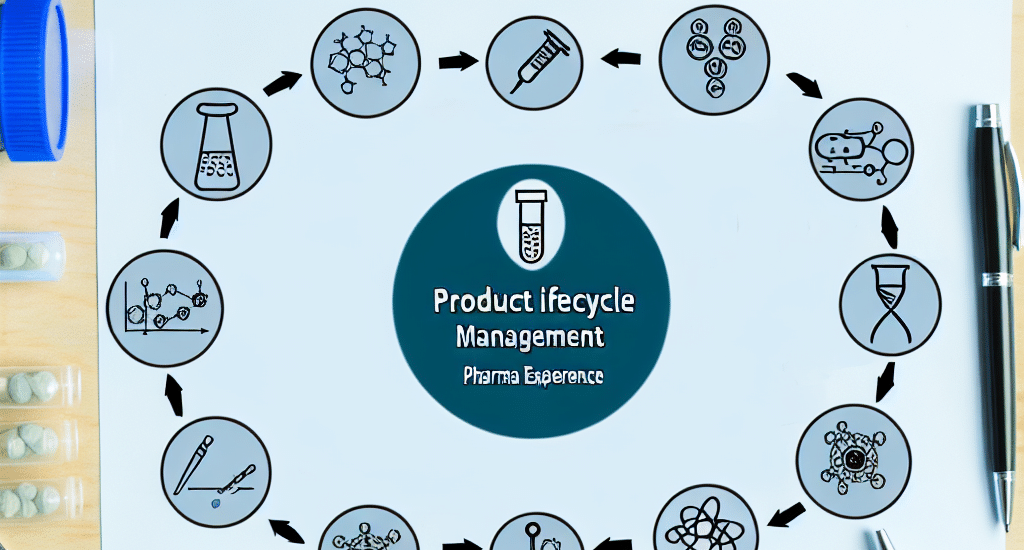
Introduction to Product Lifecycle Management (PLM)
Product Lifecycle Management (PLM) in the pharmaceutical industry refers to a comprehensive approach to managing a drug’s life cycle, from initial development through to market withdrawal. It encompasses a myriad of processes, tools, and techniques that support the planning, development, commercialization, and eventual discontinuation of pharmaceutical products. Given the increasingly complex nature of drug development, regulatory demands, and market dynamics, effective PLM is crucial not only for compliance but also for operational efficiency, cost management, and enhanced collaboration among stakeholders.
Importance of PLM in Pharmaceuticals
The pharmaceutical landscape is characterized by high investment risks, lengthy development timelines, and stringent regulatory requirements. PLM plays a vital role in enabling pharmaceutical companies to:
-
Optimize Resources and Costs: By managing resources effectively across the entire product life cycle, companies can minimize costs associated with trials, production, and distribution.
-
Enhance Compliance: Adhering to regulatory guidelines throughout the lifecycle of a drug is critical. PLM offers frameworks that ensure quality and compliance at every stage.
-
Improve Collaboration: PLM fosters better communication and collaboration among various stakeholders, including R&D, manufacturing, commercial, and regulatory teams.
-
Facilitate Knowledge Transfer: As a drug progresses through its life cycle, knowledge is generated at various stages. PLM ensures that valuable insights are captured and shared across teams to inform future projects.
-
Market Responsiveness: With the rapid evolution of market needs and technology, PLM helps organizations adapt quickly and strategically, ensuring alignment with customer demands.
Phases of the Product Lifecycle in Pharmaceuticals
The pharmaceutical product lifecycle can be divided into several stages, each requiring specific focus areas:
1. Discovery and Development
This is the initial stage where potential drug candidates are identified and developed. It involves:
- Research: This encompasses target identification, lead discovery, and early preclinical studies.
- Feasibility Assessment: Analyzing the scientific and commercial viability of drug candidates.
- Clinical Development Planning: Preparing for Phase I, II, and III clinical trials, including protocol development and regulatory submissions.
2. Regulatory Approval
Once sufficient data is gathered from clinical trials, the next critical phase involves seeking approval from regulatory bodies such as the FDA or EMA. This process includes:
- Submission of Investigational New Drug Applications (IND): Providing detailed information about the drug’s composition, manufacturing, and preclinical and clinical data.
- Collaborating with Regulatory Bodies: Engaging with health authorities to address questions and meet their requirements efficiently.
3. Launch and Commercialization
After obtaining regulatory approval, the focus shifts toward launching the product into the market. Key activities in this phase include:
- Market Strategy Development: Crafting pricing, marketing, and sales strategies.
- Sales Training: Equipping sales teams with essential product knowledge and techniques to market efficiently.
4. Post-Market Surveillance
Once a drug is on the market, continuous monitoring of its safety and efficacy is paramount. This phase includes:
- Adverse Event Reporting: Collecting and analyzing reports of side effects or other issues.
- Ongoing Clinical Trials: Conducting Phase IV studies to assess long-term effects.
5. End of Life and Withdrawal
Eventually, every drug will reach the end of its lifecycle for multiple reasons, including market withdrawal, patent expiration, or the availability of superior alternatives. This stage involves:
- Strategic Planning for Withdrawal: Effective communication and management strategies to withdraw products from the market while maintaining customer trust.
Key Challenges in Pharma PLM
The journey through the product lifecycle in pharmaceuticals is fraught with challenges that require proactive management:
-
Regulatory Compliance: Missteps in adhering to complex regulations can result in delays or costly fines.
-
Cost Overruns: Development phases often experience budget overruns due to unforeseen complications.
-
Market Competition: Rapid developments in alternative therapies or generics can undermine a drug’s market position.
-
Data Management: Managing vast amounts of data generated during R&D and lifecycle management poses significant challenges for organizations.
-
Cross-Functional Collaboration: Ensuring effective communication between departments can be difficult, often leading to misalignments and inefficiencies.
Technologies Supporting PLM in Pharmaceuticals
Advancements in technology are transforming how pharmaceutical companies manage the product lifecycle. Key technologies that support PLM include:
1. Data Management Systems
These systems enable the efficient collection, storage, and retrieval of vast amounts of data generated during drug development and life cycle management. They streamline data access across teams, facilitating decision-making and compliance.
2. Analytical Tools
Analytics plays a crucial role in deriving insights from R&D data, clinical outcomes, and market performance. Predictive analytics can inform investment decisions and enhance forecasting accuracy.
3. Collaboration Platforms
With teams often spread across different locations, collaboration tools facilitate seamless communication and project management. They help in tracking project timelines, responsibilities, and deliverables.
4. Regulatory Compliance Solutions
Dedicated systems can help automate compliance management, providing alerts for regulatory changes and facilitating the preparation of audits and submissions.
5. Artificial Intelligence and Machine Learning
AI and ML enhance predictive modeling, drug discovery processes, and patient stratification in clinical trials, ultimately supporting better decision-making throughout the lifecycle.
Best Practices for Effective PLM
To optimize PLM processes and overcome typical challenges, pharmaceutical companies should consider the following best practices:
-
Integrate Systems: Implementing integrated PLM systems that connect all aspects of the product lifecycle helps in maintaining real-time data and encouraging cross-functional collaboration.
-
Emphasize Training: Regular training sessions for teams across departments can ensure that all staff are aware of PLM processes and the tools available to them.
-
Maintain Regulatory Vigilance: Keeping abreast of regulatory changes and trends can help companies adapt swiftly, ensuring compliance throughout the lifecycle.
-
Enhance User-Centric Design: Focusing on user experiences when developing PLM tools can improve adoption and efficiency.
-
Encourage a Culture of Innovation: Foster an organization-wide culture that encourages continuous improvement and innovation in processes and products.
Future Trends in Pharma PLM
As the pharmaceutical industry continues to evolve, several trends are likely to shape the future of PLM:
-
Increased Personalization: The shift towards personalized medicine will require more granular data management and agile PLM processes.
-
Cloud Computing: As more organizations go digital, cloud-based PLM solutions will facilitate collaboration and fast data access, enabling real-time decision-making.
-
Integration of Blockchain: Blockchain technology can enhance data integrity and security while ensuring better traceability throughout the lifecycle.
-
Sustainability Focus: With increasing emphasis on environmental responsibility, PLM practices will need to incorporate sustainability considerations in R&D, production, and supply chain management.
-
Digital Twin Technology: This technology can enable virtual modeling of drugs and processes, allowing for improved predictions and optimizations.
By embracing these trends and adopting best practices, pharmaceutical companies can navigate the complexities of the product lifecycle, ensuring successful drug development and market presence.