
Warehouse Storage Infrastructure Cold Storage Nigeria
- Posted by: PSL
- Categories: BRICS News, Financial Management, International Business and Market Entry, News Blog
Introduction
In recent years, the Nigerian economy has experienced a significant transformation, largely driven by urbanization, population growth, and increasing consumer demand. As the country seeks to modernize its supply chains, cold storage infrastructure stands out as a crucial component for several sectors, including food and beverage, pharmaceuticals, and chemicals. This article dives deep into the current state of cold storage warehouses in Nigeria, examining their importance, challenges, and future prospects.
The Importance of Cold Storage in Nigeria
1. Food Security and Waste Reduction
Nigeria, being one of the largest producers of agricultural products in Africa, faces the daunting challenge of post-harvest losses. The inadequate cold storage facilities contribute to a staggering 40% of food waste. With proper cold storage infrastructure, perishable goods can be preserved for longer periods, ensuring a steady supply to markets. This can substantially enhance food security and improve the livelihoods of farmers by maximizing their yields.
2. Pharmaceutical Storage Needs
The pharmaceutical sector in Nigeria has expanded, especially with the recent global health crises affecting the importance of vaccine distribution and storage. Cold storage facilities that comply with Good Distribution Practice (GDP) standards are essential to maintain the efficacy of vaccines and medications. Ensuring that these products are stored at optimal temperatures preserves their integrity, reduces health risks, and fosters public trust in pharmaceutical brands.
3. Chemical and Industrial Applications
Cold storage doesn’t just serve the food and pharmaceutical sectors; it’s also critical for the storage of chemicals and certain industrial goods. Products that require specific temperatures to maintain their chemical properties need reliable cold storage solutions. Industries such as cosmetics and chemicals leverage this infrastructure to sustain their supply chains and operational efficiency.
Current State of Cold Storage in Nigeria
1. Infrastructure Development
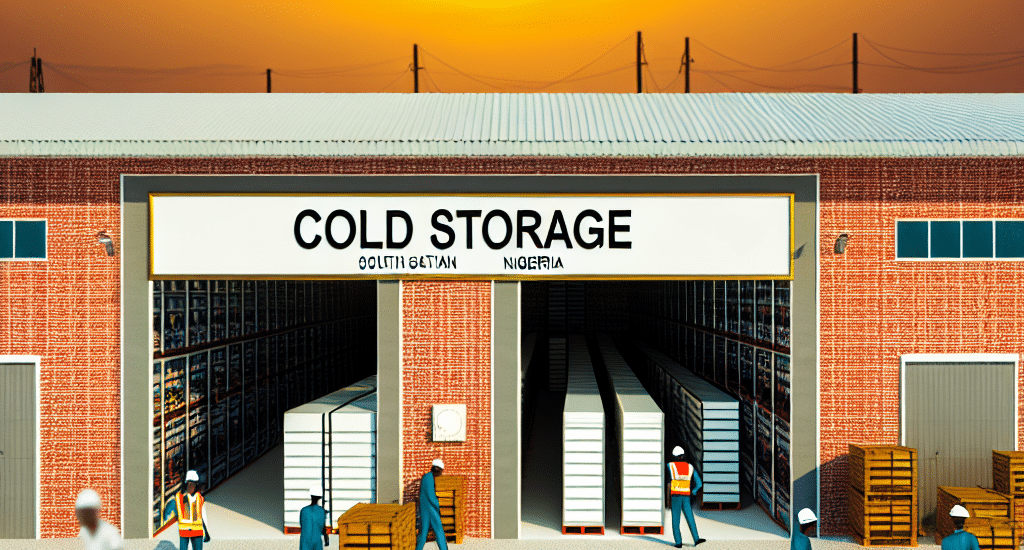
Cold storage infrastructure in Nigeria is still in its nascent stages. The major cities, including Lagos, Abuja, and Port Harcourt, host most of the cold storage warehouses, primarily due to their significant commercial activities. However, the distribution of these facilities remains uneven, leading to challenges in rural areas where agricultural production is predominantly concentrated.
2. Technology and Efficiency
Recent technological advancements have begun to influence the cold storage landscape in Nigeria. The adoption of solar-powered refrigeration systems has emerged as a viable solution for areas with inconsistent electricity supply. Furthermore, improved logistics and temperature monitoring technologies have started to play a role in ensuring that products remain within acceptable temperature ranges during transportation and storage.
3. Regulatory Framework
Nigeria’s regulatory framework governing cold storage is evolving, yet it poses certain challenges. The Nigerian Food and Drug Administration (NAFDAC) requires compliance from cold storage firms in the pharmaceutical sector. Nonetheless, regulatory oversight for other sectors, such as agriculture, requires improvements to ensure safety and quality standards are met uniformly.
Challenges Facing Cold Storage Infrastructure
1. Limited Financial Investment
One of the predominant challenges facing cold storage facilities in Nigeria is the lack of financial investment. Investors often regard the cold storage sector as high-risk due to initial capital requirements and ongoing operational costs. Without sufficient funding, expanding existing facilities or building new ones becomes a significant challenge.
2. Inconsistent Power Supply
Electricity supply in Nigeria is notoriously unreliable. Cold storage facilities depend heavily on constant electricity to maintain optimal temperatures. Frequent power outages lead to product spoilage, financial losses, and reduced operational efficiency. Many operators resort to costly backup generators, which only adds to the already high operational costs.
3. Skilled Workforce Shortage
The operation of cold storage facilities requires a skilled workforce trained in environmental controls, logistics, and safety procedures. Unfortunately, the available workforce often lacks the necessary technical skills, leading to inefficiencies in operational management. This skills gap presents a barrier to developing and managing sophisticated cold storage systems in the country.
4. Infrastructural Deficiencies
A broader infrastructural deficit—characterized by poor road networks, inadequate transportation systems, and inadequate urban planning—further complicates the cold storage landscape in Nigeria. Many roads leading to farmlands are not well-maintained, affecting the timely delivery of goods to cold storage facilities and subsequently to markets.
Future Prospects for Cold Storage Infrastructure
1. Public-Private Partnerships (PPPs)
To address the financial investment challenge, engaging in public-private partnerships can offer a sustainable solution. The government could provide incentives or subsidies to attract private investors to develop cold storage facilities. Such collaborations can contribute substantially to enhancing Nigeria’s cold storage capacity.
2. Technological Integration
Advancing technology will play a pivotal role in revolutionizing cold storage in Nigeria. The integration of IoT-based monitoring systems can enhance operational efficiencies, allowing for real-time tracking of temperature and humidity levels. Blockchain technology could be employed to enhance traceability in the supply chain, thus promoting food safety and quality assurance.
3. Training Programs and Education
Developing vocational training programs focused on cold chain management can help address the skills gap in Nigeria. These endeavor programs can create a skilled workforce capable of operating and managing sophisticated cold storage facilities efficiently. Collaborations with universities and technical colleges could facilitate this initiative.
4. Expansion of Cold Storage Facilities
To meet increasing consumer demand and reduce post-harvest losses, a concerted effort to expand cold storage facilities is essential. Investment in building new facilities, especially in rural areas, can facilitate better access for farmers and food producers, ultimately driving economic growth.
5. Policy and Regulatory Framework Improvements
A robust regulatory framework is fundamental to fostering growth in the cold storage sector. Streamlining bureaucratic processes and establishing clearer guidelines for compliance can promote a conducive business environment. Regulatory bodies should also engage directly with stakeholders to better understand their challenges and needs.
Conclusion
The cold storage infrastructure in Nigeria represents a critical sector with immense potential for growth. As the country grapples with challenges ranging from inadequate facilities to inconsistent power supply, the focus must shift towards sustainable solutions and modern technologies. Investing in cold storage can not only reduce food wastage and enhance food security but can also promote public health and drive economic growth. By overcoming existing barriers and leveraging collaborative efforts, Nigeria can build a resilient cold storage infrastructure that meets the demands of its growing economy.