

Why Nigeria is the Best Place for Agribusiness Investment
- Posted by: PSL
- Categories: BRICS News, Financial Management, Human Resources and Talent Management, International Business and Market Entry, Marketing and Sales, News Blog, Operations and Process Improvement, Organizational Development, Risk Management and Compliance, Strategy and Planning, Technology and Digital Transformation
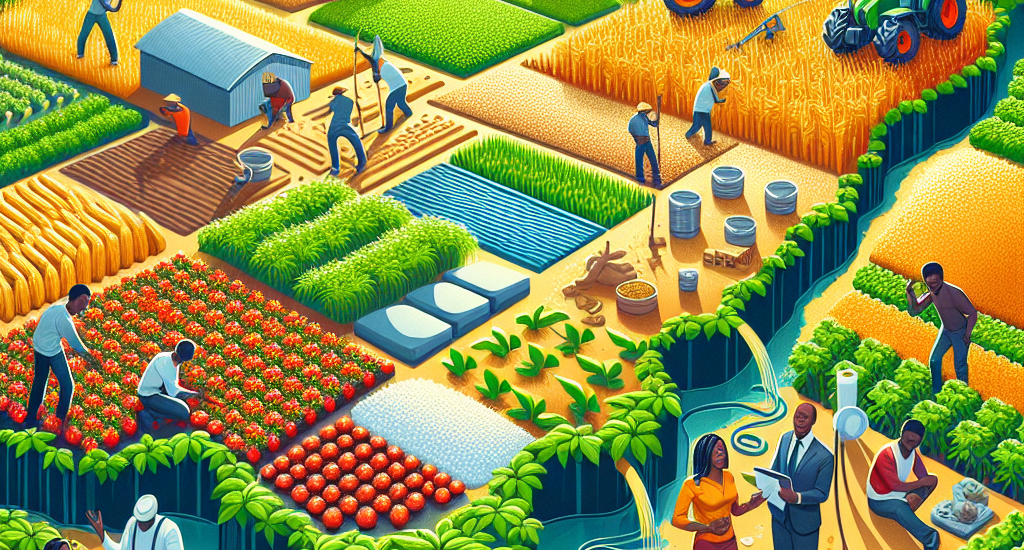
Overview of Nigeria’s Agribusiness Landscape
Nigeria, known as the "Giant of Africa," presents immense opportunities in the agribusiness sector. With a population exceeding 200 million people, a growing middle class, and vast arable land, Nigeria is primed to become a global agribusiness hub. Agriculture has historically been the backbone of Nigeria’s economy, contributing significantly to GDP and employment. Despite challenges, the prospect for growth and innovation in agribusiness remains strong.
Historically, Nigeria’s agricultural sector relied heavily on the cultivation of cash crops such as cocoa, palm oil, and groundnuts. However, in recent years, there has been a shift towards diversifying agricultural production. This transition highlights the country’s commitment to food security and reduced dependence on oil revenues. Policies aimed at modernizing agriculture through technology and sustainable practices are paving the way for a robust agribusiness ecosystem.
Abundant Natural Resources
Nigeria is blessed with fertile land and diverse climatic conditions, making it suitable for a variety of agricultural products. The country has an estimated 84 million hectares of arable land, of which only 40% is currently cultivated. The possibilities are endless – from grains like rice and maize to fruits, vegetables, and livestock. The sheer size of the land and its varying climates enable agricultural investors to explore numerous sectors, catering to both local and international markets.
The diverse agro-ecological zones in Nigeria provide unique opportunities for different types of farming. The northern region is ideal for growing cereals and tubers, while the southern region specializes in tropical crops like yams, cassava, and cocoa. This variability not only enhances food security but also ensures that businesses can engage in year-round agricultural production.
Economic Growth and Market Potential
Nigeria’s economy is gradually diversifying away from oil, with agriculture projected to play a crucial role. The agricultural sector is estimated to grow at an annual rate of 6% and is expected to become one of the most significant contributors to GDP. As the nation continues to evolve, investment in agribusiness becomes increasingly attractive.
With a burgeoning population, the demand for food is rising. Nigeria is expected to become one of the largest consumer markets in Africa. This growing demand means that there is substantial potential for agribusiness ventures, ranging from food processing to distribution and retail. Investing in agribusiness now positions stakeholders to take advantage of this expanding market.
Furthermore, Nigeria’s membership in the Economic Community of West African States (ECOWAS) provides added advantages for agribusinesses, as it facilitates trade within a market of over 350 million people. This access to regional markets allows for scaling operations and exporting goods more efficiently.
Supportive Government Policies
The Nigerian government recognizes the importance of agriculture to national development and has implemented several policies aimed at promoting agribusiness investment. The government’s Agricultural Promotion Policy (APP) focuses on enhancing food security, creating jobs, and boosting overall economic growth.
In recent years, the Central Bank of Nigeria (CBN) has introduced several agricultural financing initiatives, providing loans and grants to farmers and agribusinesses at low-interest rates. The Anchor Borrowers’ Programme, for example, supports smallholder farmers by providing access to credit, inputs, and training. Such initiatives highlight the government’s commitment to making agribusiness a priority and easing the financial burdens on investors.
Additionally, the government has established special agro-industrial processing zones to further attract local and foreign investment. These zones are designed to provide adequate infrastructure, such as roads and power supply, thereby reducing the operational challenges faced by agribusinesses.
Technological Advancements
Technology plays a vital role in transforming Nigeria’s agribusiness landscape. With the rise of agritech startups and innovations, the sector is beginning to leverage technologies that improve productivity and efficiency. From precision farming to drone technology, the integration of tech can enhance agricultural practices, ensuring that investors can achieve better yields and reduce waste.
The availability of smartphones and the internet further accelerates the adoption of digital solutions in agriculture. Farmers can now access vital information on market prices, weather forecasts, and farming techniques through mobile applications. This empowerment through technology not only enhances agricultural productivity but also connects farmers directly to consumers, contributing to transparency and fair pricing.
Investors can tap into this growing agritech ecosystem, which addresses vital supply chain gaps, enhances logistics, and offers value-adding solutions across the agribusiness spectrum. Collaborating with tech startups can create synergies, driving innovation and facilitating successful outcomes.
Commitment to Sustainability
Sustainability is a crucial consideration in today’s global agribusiness landscape. Nigeria is increasingly recognizing the need for sustainable agricultural practices to combat climate change and ensure long-term productivity. The government and various stakeholders are investing in initiatives to promote environmentally friendly farming methods, organic farming, and agroforestry.
Investors in agribusiness can align with these sustainability efforts, capitalizing on the growing demand for sustainably produced goods both locally and internationally. Adopting eco-friendly practices is not just a market differentiator; it also attracts environmentally conscious consumers and investors.
Furthermore, sustainable practices can lead to cost savings in the long run and create a resilient agricultural system that can withstand the impacts of climate change. For investors looking for ethical and responsible investment opportunities, Nigeria’s commitment to sustainability presents a compelling case.
Access to Funding and Investment Opportunities
One of the most significant advantages of investing in Nigeria’s agribusiness sector is the growing access to funding. Both local and international financial institutions have increasingly shown interest in supporting agricultural initiatives. The establishment of various agricultural investment funds and venture capital firms focusing on this sector further illustrates the potential for investors.
Additionally, Nigeria’s agribusiness sector has witnessed a surge in interest from foreign direct investment (FDI). Global investors recognize the untapped potential of Nigerian agriculture and are keen to partner with local agribusinesses to maximize returns. This influx of capital not only provides the necessary resources for growth but also brings with it international best practices and expertise.
Challenges and the Path Forward
While the prospects for agribusiness investment in Nigeria are promising, challenges do exist. Issues such as inadequate infrastructure, limited access to markets, and bureaucratic hurdles can hinder growth. However, these challenges are also opportunities for improvement. Investments in infrastructure development, supply chain logistics, and policy reforms can enhance the overall operating environment for agribusinesses.
Moreover, partnerships between the public and private sectors can pave the way toward a more conducive investment landscape. By collaborating to address these challenges, stakeholders can drive innovation and create a more robust agribusiness ecosystem.
The rise of cooperatives and farmer associations also presents opportunities for collective bargaining and resource sharing, helping smallholder farmers access larger markets and improve their livelihoods. Importantly, supporting smallholder farmers is crucial to achieving sustainable agricultural development and food security in Nigeria.
In summary, Nigeria’s agribusiness sector offers a wealth of opportunities for both local and international investors. From abundant natural resources and government support to technological advancements and a growing market, the conditions are ripe for investment. As the nation works toward overcoming existing challenges, the future of agribusiness in Nigeria looks promising and can serve as a model for agricultural development across Africa.