Agrochemical Fertilizer Usage Optimization Advice
- Posted by: PSL
- Categories: BRICS News, Financial Management, International Business and Market Entry, News Blog
Introduction
The modern agricultural sector has undergone significant transformations over the years, propelled by advancements in technology, agricultural practices, and a growing understanding of soil health. Among these innovations, the use of agrochemical fertilizers remains one of the most crucial aspects of crop production. As the global population continues to rise, optimizing fertilizer usage has become essential for sustainable agriculture. This article explores strategies for optimizing agrochemical fertilizer usage, focusing on different methods, best practices, and technological advancements.
Understanding Agrochemicals: Types and Functions
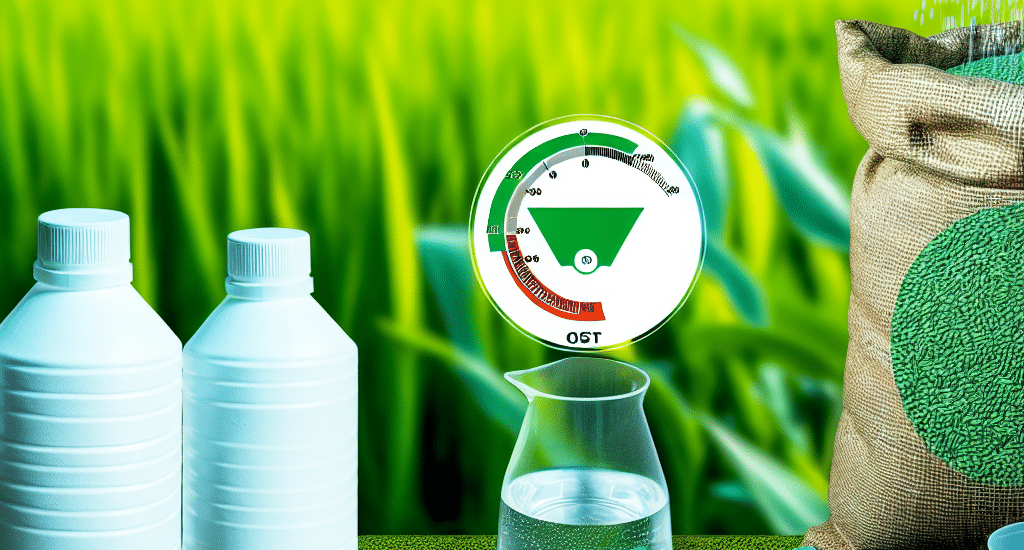
Agrochemical fertilizers can be categorized into three primary types: inorganic, organic, and bio-based fertilizers. Each type has its unique properties and benefits:
-
Inorganic Fertilizers: These are synthetic products, including nitrogen, phosphorus, and potassium (NPK) fertilizers, which are readily available to plants. Their high nutrient concentration enables farmers to achieve quick results.
-
Organic Fertilizers: Derived from natural sources such as compost, manure, and plant materials, organic fertilizers improve soil structure and enhance microbial activity. While they release nutrients more slowly, they contribute to long-term soil health.
-
Bio-based Fertilizers: These include beneficial microorganisms and natural compounds that enhance nutrient uptake and improve soil health. They are gaining popularity for their sustainable nature and low environmental impact.
Understanding these categories helps farmers select the appropriate fertilizer types based on crop needs, soil health, and environmental considerations.
Soil Testing: The Foundation of Fertilizer Optimization
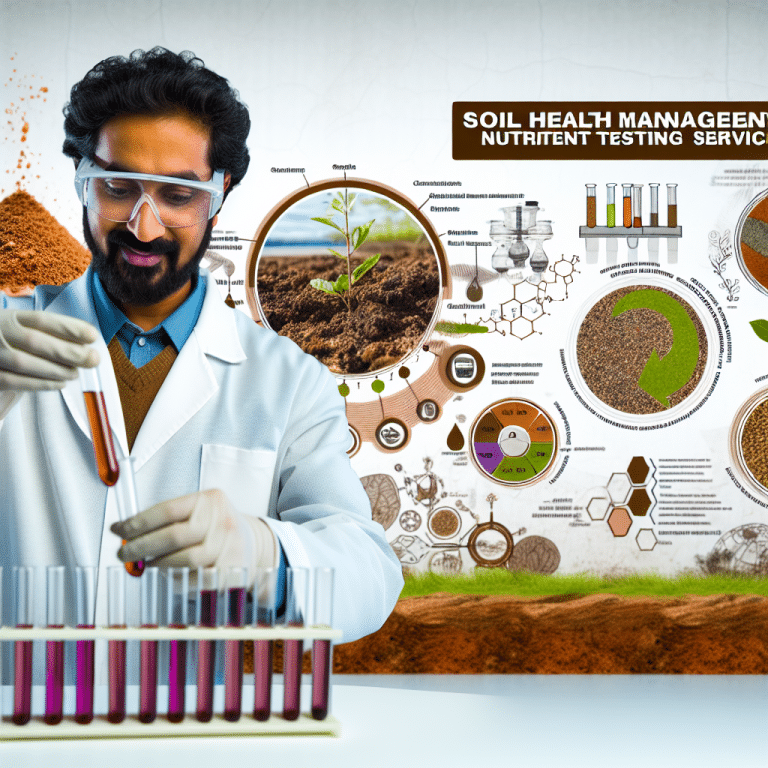
Before applying fertilizers, conducting a soil test is vital. This process involves analyzing the soil’s nutrient content, pH level, and composition. Soil tests provide essential data that help farmers make informed decisions about which fertilizers to apply and in what quantities.
Choosing the Right Time for Soil Testing
Soil testing should ideally be done in the fall or spring, depending on the cropping season. Samples should be collected from various locations within the field to ensure accuracy. The results will inform the necessary amendments for optimizing fertility.
Interpreting Soil Test Results
Farmers must understand the results of their soil tests. A well-interpreted result will show nutrient deficiencies and surpluses, guiding the choice of fertilizers. If, for example, a soil test reveals an abundance of phosphorus but a deficiency in nitrogen, the farmer can use a fertilizer rich in nitrogen to balance nutrient levels.
Precision Agriculture: Leveraging Technology for Optimization
Precision agriculture uses technology to monitor and manage field variability, optimizing fertilizer use efficiently.
GPS and GIS Technologies
Global Positioning System (GPS) and Geographic Information System (GIS) technologies enable farmers to gather detailed data on soil variability across their fields. By using these tools, they can apply fertilizers precisely where needed. This targeted approach minimizes waste and environmental impact.
Variable Rate Technology (VRT)
Variable Rate Technology allows farmers to apply fertilizers at different rates within the same field. This technique relies on data collected through GPS and soil sensors, optimizing nutrient application based on the specific needs of different regions of the field. VRT helps prevent over-fertilization, which can lead to nutrient runoff and environmental pollution.
Remote Sensing and Drones
Remote sensing technologies, including satellite imagery and drones, can monitor crop health and growth patterns. By integrating this information with nutrient management systems, farmers can adjust their fertilizer strategies dynamically to improve crop yields while minimizing inputs.
Best Practices for Fertilizer Application
Implementing best practices for fertilizer application can significantly enhance efficiency and sustainability:
Timing of Application
Fertilizer application timing is crucial for maximizing nutrient availability. Nutrients should be applied when crops are actively growing, as this enhances uptake. For example, applying nitrogen fertilizers at planting time can lead to higher crop yields. Additionally, split applications—dividing the total amount of fertilizer into multiple smaller doses—can reduce leaching and improve nutrient utilization.
Method of Application
Choosing the right method of application can affect nutrient availability and reduce losses:
-
Broadcasting: This involves spreading fertilizers over the entire field. While it’s straightforward, it can lead to uneven distribution and wastage.
-
Banding: Placing fertilizers in bands near the plant root zone ensures better accessibility and reduces nutrient loss. This method is particularly effective for phosphorus and potassium fertilizers.
-
Foliar Feeding: Applying fertilizers directly to the plant leaves can provide quick nutrient access, especially during critical growth stages.
Utilizing Controlled-Release Fertilizers
Controlled-release fertilizers (CRFs) are designed to release nutrients gradually over time, aligning with plant demand. This approach minimizes nutrient loss through leaching and runoff, making it an efficient and eco-friendly option.
Days of High Efficiency: Understanding Weather Conditions
Weather plays a significant role in fertilizer optimization. Understanding local climate conditions and how they interact with fertilizer application can help farmers make better decisions.
Monitoring Rainfall
Heavy rainfall can lead to nutrient runoff, which poses environmental risks and reduces fertilizer efficiency. Farmers should be aware of forecasted rainfall and adjust their application schedules accordingly. Avoid applying fertilizers before heavy rain events to reduce the chance of nutrient loss.
Temperature Considerations
Soil temperature affects nutrient availability. For instance, higher soil temperatures enhance microbial activity, promoting the breakdown of organic matter and enhanced nutrient release. Farmers must consider soil temperature when determining application rates and timings.
Environmental Considerations
Optimizing fertilizer usage is not only about increasing yields but also about reducing environmental impact. Sustainable practices are vital for maintaining soil health and protecting water quality.
Implementing Cover Crops
Cover crops, like clover and vetch, can reduce nutrient runoff by improving soil structure and preventing erosion. These crops absorb excess nutrients, which can then be recycled back into the soil when they decompose.
Adopting Sustainable Practices
Utilizing sustainable practices, such as integrated pest management (IPM), crop rotation, and conservation tillage, can enhance soil health and reduce the dependency on agrochemical fertilizers.
Monitoring Groundwater Quality
Farmers should be proactive in monitoring groundwater for potential contamination due to fertilizer runoff. Regular testing can help identify potential issues and allow for timely interventions.
The Role of Extension Services and Continuous Education
Farmers can benefit greatly from engaging with agricultural extension services which provide vital resources, training, and updates about new practices and technologies in fertilizer usage.
Workshops and Training Programs
Participating in workshops and training programs helps farmers stay informed about the latest research and methodologies in agrochemical fertilizer application. Access to these resources allows them to make evidence-based decisions.
Networking with Peers
Joining cooperative groups or farming associations can provide opportunities for farmers to share experiences and learning about successful fertilizer optimization strategies. Peer learning can help accelerate the adoption of best practices.
Conclusion
By adhering to these outlined strategies on agrochemical fertilizer usage, farmers can optimize their input for better yield, cost-efficiency, and environmental sustainability. The future of agriculture relies on our ability to balance productivity with ecological responsibility.