

Airport Revenue Generation Non Aeronautical
- Posted by: PSL
- Categories: BRICS News, Financial Management, International Business and Market Entry, News Blog
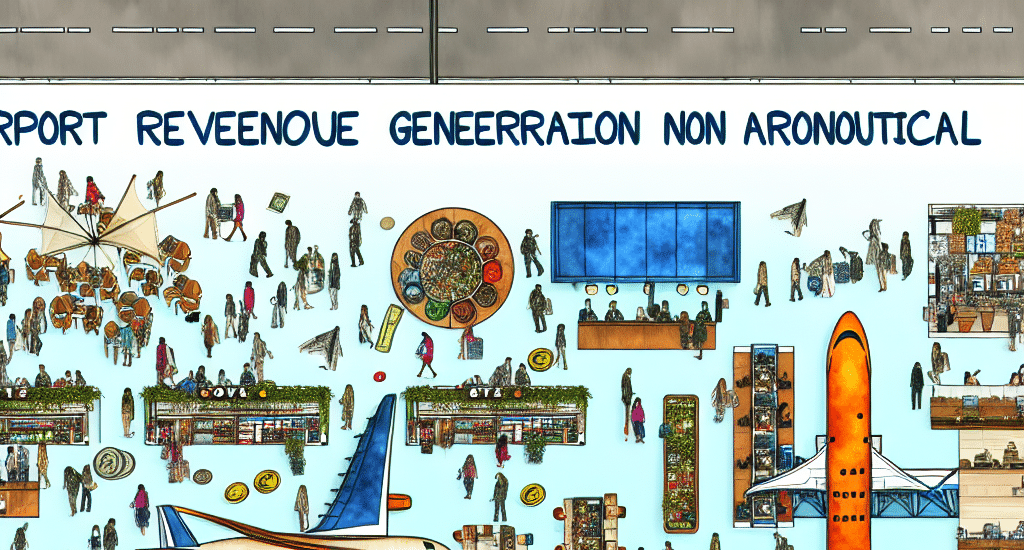
Airports are not merely transit hubs for travelers; they are complex enterprises that generate revenue through various avenues. While aeronautical revenues, which include landing fees, passenger charges, and cargo fees, are critical to an airport’s financial health, non-aeronautical revenue sources are increasingly becoming vital to their sustainability and growth. This article explores the diverse methods through which airports generate revenue beyond traditional aeronautical means, ranging from retail and real estate to services and partnerships.
1. Retail and Concessions
One of the most prominent non-aeronautical revenue streams for airports is retail and concessions. These include shops, restaurants, and other consumer services that enrich the traveler experience while simultaneously generating income for the airport.
1.1 Retail Outlets
Airports host a variety of retail outlets selling everything from luxury goods to travel essentials. Duty-free shops are particularly lucrative, allowing travelers to purchase products without incurring local taxes. The allure of branded goods and unique offerings in an airport setting encourages impulse buying, which can significantly enhance revenue.
1.2 Food and Beverage Services
Dining options in airports have evolved from basic eateries to gourmet restaurants and fast-casual experiences featuring local cuisine. Airports benefit from leasing kitchen space to food vendors, ensuring a revenue share from sales. Additionally, unique pop-ups and local food selections can create a more engaging experience while attracting more travelers, especially as the trend of experiential dining grows.
1.3 Partnerships with Brands
Airports often strike partnerships with major brands to enhance their retail mix. For instance, exclusive collaborations between an airport and a luxury brand can create limited-edition products or experiences, driving sales while also enhancing the airport’s image.
2. Real Estate Development
Airports offer significant real estate opportunities that go beyond just terminal buildings. They often own large tracts of land suitable for various developments.
2.1 Cargo and Logistics Facilities
The growth of e-commerce has driven demand for dedicated space for cargo operations. Airports can accommodate fulfillment centers, logistics hubs, or warehousing facilities, which can provide substantial long-term leases and revenue.
2.2 Business Parks
Airports also develop business parks that contain office spaces, meeting rooms, and conference centers. These facilities attract companies that wish to be near air travel for ease of access. Business parks can create a robust ecosystem that elevates the overall airport experience while generating steady income.
2.3 Hotels and Accommodations
In many metropolitan areas, airports have been proactive in developing hotel properties. By leasing land to hotel operators or constructing their own, airports can tap into the steady demand for lodging from transient travelers, business professionals, and airline staff.
3. Advertising and Sponsorship
Advertising has emerged as a vital revenue stream, with airports leveraging their high foot traffic to attract sponsors and advertisers.
3.1 Digital and Static Ads
Airports employ a mix of traditional static billboards and modern digital displays to capture the attention of travelers. Digital advertising, in particular, allows for dynamic content that can be tailored based on the time of day or specific events, providing real-time engagement opportunities.
3.2 Sponsorship of Facilities
More innovative airports invite brands to sponsor specific areas within the airport, such as lounges, children’s play areas, and rest zones. These sponsorships not only generate revenue but can also enhance the passenger experience by associating comfortable spaces with reputable brands.
3.3 Events and Promotions
Airports often host events that attract public interest, such as art exhibitions, concerts, and food festivals. Partnerships with brands can lead to sponsored events that provide both promotional venues and revenue opportunities.
4. Parking and Ground Transportation
Parking is one of the most significant non-aeronautical revenue streams. Airports typically offer various parking options based on distance and price, catering to different traveler preferences.
4.1 Short-Term and Long-Term Parking
Glancing at airport parking, one can see that short-term parking is often priced at a premium to serve the needs of those who are picking up or dropping off travelers. Long-term parking, while generally lower priced, can still provide a substantial revenue base, especially at airports with high passenger volumes.
4.2 Ride-Sharing and Taxi Partnerships
With the rise of ride-sharing services like Uber and Lyft, many airports have adapted by creating designated pickup zones and charging these services a fee to operate. This strategy not only ensures organized ground transportation but also generates additional revenue.
4.3 Public Transportation Access Fees
Some airports are also beginning to charge fees for public transportation services that provide access to and from the airport. By collaborating with local transit agencies, airports can facilitate more convenient travel options while securing an extra layer of income.
5. Technology and Innovation
Innovation plays a significant role in enhancing service offerings and creating new revenue opportunities.
5.1 Wi-Fi and Connectivity
With travelers increasingly reliant on internet connectivity, many airports now offer paid Wi-Fi services. This can be in the form of premium services that allow for higher-speed access, while basic free options can draw in more travelers and uplift the overall airport experience.
5.2 Data Analytics Services
Airports can leverage data from travelers and businesses for their own use and sell it to third parties. This data can help advertisers create targeted campaigns, enhancing the effectiveness of airport advertising while generating revenue from data analysis services.
5.3 Smart Solutions
Proactive airports are implementing smart technology solutions, such as automated check-in kiosks and smart baggage handling systems, to improve the passenger experience. Monetizing these technologies through partnerships with tech firms can also offer lucrative opportunities.
6. Miscellaneous Services and Events
Airports offer a myriad of services that contribute to non-aeronautical revenue streams.
6.1 Lounge Access
Airport lounges traditionally catered to premium passengers, but many airports have begun to offer paid access to these amenities for all travelers. This option allows travelers to experience the comfort of airport lounges, thus generating extra income.
6.2 Airport Tours and Experiences
Some airports have started offering guided tours for travelers interested in learning more about airport operations. These tours can lead to additional revenue while enhancing the traveler experience.
6.3 Health and Wellness Services
Many modern airports provide health and wellness options, such as spas, yoga rooms, or even gyms. These services cater to the growing trend of traveler wellness and can serve as lucrative revenue sources through session fees or memberships.
7. Collaboration with Airlines
While airlines themselves are mainly considered aeronautical partners, airports have begun to explore ways to collaborate more closely with airlines for mutual benefits.
7.1 Shared Marketing Initiatives
Airports and airlines can cooperate on marketing campaigns, utilizing shared resources to enhance visibility and draw more travelers, which can indirectly boost revenue for both parties.
7.2 Joint Innovation Projects
Collaborative projects aimed at improving the passenger experience or increasing operational efficiency can lead to cost savings and improved revenue generation for both airports and airlines.
7.3 Loyalty Programs
Some airports are beginning to explore partnerships with airline loyalty programs, offering incentives for passengers to use their airport for travel. This synergy not only improves customer retention but can also increase airport traffic and revenue.
8. Community Engagement and Customer Loyalty
Building a strong relationship with the community can also serve as a non-aeronautical revenue stream.
8.1 Community Events
Hosting local events can engage the surrounding community and introduce people to the airport. This outreach can foster goodwill, driving more flyers to the airport while also creating revenue opportunities through event sponsorships.
8.2 Volunteer Programs
Engaging volunteers for various airport events can create a sense of community while also providing logistical benefits that can enhance revenue-generating activities.
8.3 Feedback and Suggestion Channels
Encouraging feedback from the community and travelers can lead to enhancements in the airport experience that, in turn, draw more traffic and revenue. Engaging with patrons in this manner not only fosters loyalty but also keeps offerings relevant.
Airports are embracing non-aeronautical revenue generation strategies like never before. By exploring innovative avenues—from retail and real estate to technology and services—they can create sustainable revenue sources that contribute to their overall financial health. The landscape is continuously evolving, presenting airports with new opportunities to enhance their offerings and better serve travelers while ensuring profitability.
Related Posts
 The Role of Aviation Consultants in Modern Airport Management
 How the Federal Inland Revenue Service Tracks Tax Compliance
 Non Performing Loans Advisory Asset Recovery
 Airport Terminal Operations Efficiency Consulting
 State Internal Revenue Service Engagement Solutions
 Ground Handling Services Optimization Airport Operations
 Airport Master Planning Nigerian Infrastructure
 Scaling data center capacity to meet the surging digital demand in Delta state Nigeria