

Payment Systems Modernization Nigeria Expertise
- Posted by: PSL
- Categories: BRICS News, Financial Management, International Business and Market Entry, News Blog
Introduction
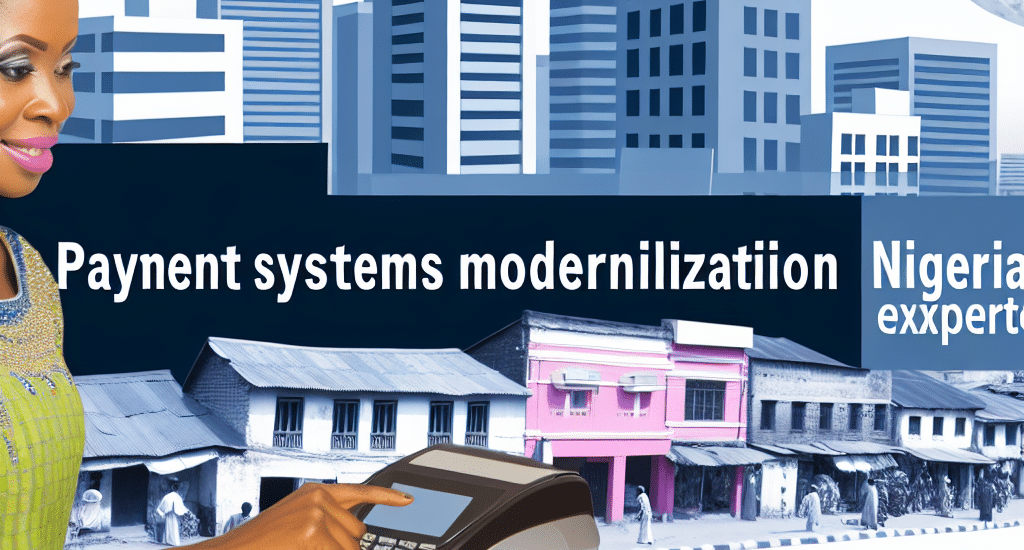
Nigeria’s payment systems landscape has undergone significant transformation over the last decade. Amidst rapid technological advancements and a growing economy, the need for a more efficient, secure, and inclusive payment infrastructure has become imperative. With the government’s commitment to financial inclusion and the central bank’s strategic frameworks, the country is at the forefront of revolutionizing its payment systems.
This article delves into the various dimensions of payment systems modernization in Nigeria, emphasizing the necessity for expertise and specialized knowledge in driving this evolution. We will explore the current state of payment systems, key players involved, technological innovations, challenges faced, and the future landscape.
Current State of Payment Systems in Nigeria
Historically, Nigeria’s payment systems have evolved from cash-based transactions to a more diversified model that includes electronic, mobile, and internet banking. The Central Bank of Nigeria (CBN) has played a pivotal role in enhancing the payment ecosystem through various initiatives, such as:
-
National Payments System Policy: Established to provide a structured framework for the development of efficient payment systems.
-
Nigeria Interbank Settlement System (NIBSS): This body facilitates the clearing and settlement of interbank transactions, working towards a more secure and efficient cashless policy.
-
Mobile Payment Platforms: The rise of mobile payment apps, such as Paga and Opay, reflects the increasing preference for cashless transactions among consumers.
-
Point of Sale (POS) Terminals: The deployment of POS terminals across various sectors has made it easier for businesses to accept card-based payments, enhancing merchant acceptance.
-
Digital Banks and Fintechs: The emergence of digital banks and fintech companies has disrupted traditional banking, providing innovative financial solutions to the underserved population.
The progress made in Nigeria’s payment landscape is notable, but it is essential to examine the driving forces behind this transformation—especially the expertise required to navigate the complex financial ecosystem.
Importance of Expertise in Payment Systems Modernization
As Nigeria continues to modernize its payment systems, expertise plays a crucial role in ensuring that the new frameworks are not only efficient but also adaptable to changing economic landscapes. Key areas where expertise is essential include:
1. Regulatory Framework
Understanding the regulatory landscape is essential for any player in Nigeria’s payment system. Experts in financial regulations help navigate the complex policies established by regulatory bodies like the CBN. Recent regulations have focused on anti-money laundering, data protection, consumer rights, and cybersecurity. As the sector continues to evolve, having knowledgeable experts ensures that companies are compliant while also prioritizing financial innovation.
2. Technological Innovations
The shift towards digital payment solutions has led to the increasing importance of technology in the financial landscape. Areas of expertise include:
-
Blockchain: The potential of blockchain technology for secure transactions is gaining traction, and local experts can help adapt this technology to suit Nigeria’s unique challenges.
-
Artificial Intelligence (AI): AI can enhance fraud detection, optimize customer service, and personalize financial offerings. Expertise in AI is crucial for developing effective solutions.
-
Data Analytics: With the surge in digital transactions, data analytics expertise becomes vital for understanding consumer behavior, thereby helping businesses tailor their services to meet market demand.
3. Infrastructure Development
As Nigeria’s payment ecosystems expand, the need for robust infrastructure becomes paramount. Experts in infrastructure development will play a crucial role in the following areas:
-
Network Connectivity: Reliable internet access is essential for transaction processing. Experts in telecommunications can work towards improving connectivity in underserved regions.
-
Hardware and Software Solutions: The deployment of secure POS systems and other transaction hardware requires specialized knowledge to ensure reliability and security.
4. User Experience (UX) Design
As payment systems become more integrated into daily life, focusing on user experience is essential. UX design experts can help create intuitive interfaces that cater to different user demographics, making payment systems accessible to all. This is particularly relevant in a country with a high population of young tech-savvy individuals as well as a significant proportion of users who may not be as technologically adept.
Key Players in Nigeria’s Payment Landscape
The modernization of payment systems in Nigeria is a collaborative effort, with various stakeholders involved:
1. Central Bank of Nigeria (CBN)
The CBN is the primary regulatory body overseeing payments and banking systems in Nigeria. Its policies set the direction for modernization efforts, emphasizing the need for an efficient and secure payments ecosystem.
2. Financial Institutions
Traditional banks are crucial players in payment systems, evolving their operations to include digital banking services. Partnerships with fintech companies enable them to harness technology for enhanced service delivery.
3. Fintech Companies
Fintech startups have been at the forefront of innovations in the payments space, providing solutions that cater to the needs of a tech-savvy population. Their agility in deploying new technologies sets them apart from traditional banks.
4. Telecom Providers
Telecom companies play a vital role in facilitating mobile payments. Their infrastructure provides the backbone for digital transactions, especially in rural areas where banking services are limited.
5. Customers
Ultimately, the modernization efforts hinge on user acceptance. Consumer behavior shapes the innovations being adopted, making it essential for companies to engage in continuous dialogue with their user base.
Technological Innovations Shaping Payments
Technological advancements are fundamental in driving the modernization of payment systems in Nigeria. We will explore some specific innovations that are transforming the landscape:
1. Mobile Wallets
Mobile wallets allow users to store money digitally on their smartphones, enabling seamless transactions. These platforms improve convenience, especially in a cash-dominated economy, and open new avenues for financial inclusion.
2. Contactless Payments
Contactless payment options, enabled by Near Field Communication (NFC) technology, allow users to make payments quickly and securely without needing a physical card. This technology is increasingly popular, especially in urban centers.
3. E-Commerce Integration
The rise of e-commerce platforms necessitates integrated payment solutions that can handle both mobile and web transactions. Expertise in payment gateways ensures that these platforms provide secure and efficient services.
4. Cryptocurrency
While regulatory uncertainty exists, interest in cryptocurrency investments and transactions is growing. Experts in blockchain technology and cryptocurrency can explore the applicability and scalability of these options in Nigeria’s unique context.
Challenges to Overcome
While Nigeria’s payment systems modernization is promising, several challenges persist, necessitating adept expertise to address them:
1. Cybersecurity Threats
As digital transactions increase, so do concerns about cyber threats. Organizations need skilled cybersecurity professionals to safeguard user data and maintain consumer trust in digital platforms.
2. Financial Exclusion
Despite advancements, a significant proportion of the Nigerian population remains unbanked or underbanked. Expertise in community engagement and financial education initiatives is crucial to reach these underserved populations.
3. Infrastructure Limitations
Inadequate infrastructure in rural areas poses significant challenges. Addressing these issues requires experts in urban planning and service delivery models tailored to varied demographic needs.
4. Regulatory Compliance
Navigating the intricate web of regulations requires expertise in policy interpretation and implementation. Entities in the payment ecosystem need compliance experts to ensure adherence to regulatory frameworks.
Future Landscape
The future of payment systems in Nigeria looks bright, with continued investment and innovation anticipated. Advancing technologies will further enhance user experience and expand financial inclusion. The focus will likely shift towards ensuring interoperability between various systems to facilitate seamless transactions.
Moreover, collaborations among stakeholders, including regulatory bodies, financial institutions, telecom companies, and fintech, will be essential for creating a cohesive and secure payment environment. As Nigeria continues to embrace digital transformation, cultivating expertise will remain a top priority, ensuring that the payment systems modernization effort is both sustainable and robust.
Continued Investment in Education
As the landscape evolves, continuous education and training will be critical for professionals working in payment systems. The establishment of specialized programs and institutions focusing on fintech, cybersecurity, and digital banking will ensure a steady supply of skilled talent to navigate the changing landscape effectively.
Trends to Watch
Experts should also keep an eye on emerging trends that could shape the future of payment systems in Nigeria, including:
-
Decentralized Finance (DeFi): This innovative approach to financial services could have significant implications for how payments and lending are conducted.
-
AI-Powered Solutions: The integration of AI in customer service, transaction verification, and risk management is set to revolutionize the payments landscape.
-
Sustainability and Ethical Finance: As consumers demand more responsible banking practices, an emphasis on sustainable financial solutions will likely shape future innovations.
By fostering a culture of expertise and continuous improvement, Nigeria can emerge as a leader in payment systems modernization, setting an example for other emerging economies.
Related Posts
 Scaling data center capacity to meet the surging digital demand in Delta state Nigeria
 Why Nigeria remains the most significant high growth market in the Global South
 How Nigeria is positioning itself as the data center capital of West Africa
 How the Aba industrial cluster is leading the Made in Nigeria manufacturing movement
 Why the Ogun State manufacturing corridor is the industrial engine of Nigeria
 Why Nigeria is Central to the New Global Supply Route
 The Technology and Expertise Powering Modern Air Ambulances
 Profiting from Organic Farming Initiatives in Modern Nigeria