

Scaling healthcare infrastructure to serve the Rivers State industrial workforce
- Posted by: PSL
- Categories: BRICS News, Financial Management, Human Resources and Talent Management, International Business and Market Entry, Marketing and Sales, News Blog, Operations and Process Improvement, Organizational Development, Risk Management and Compliance, Strategy and Planning, Technology and Digital Transformation
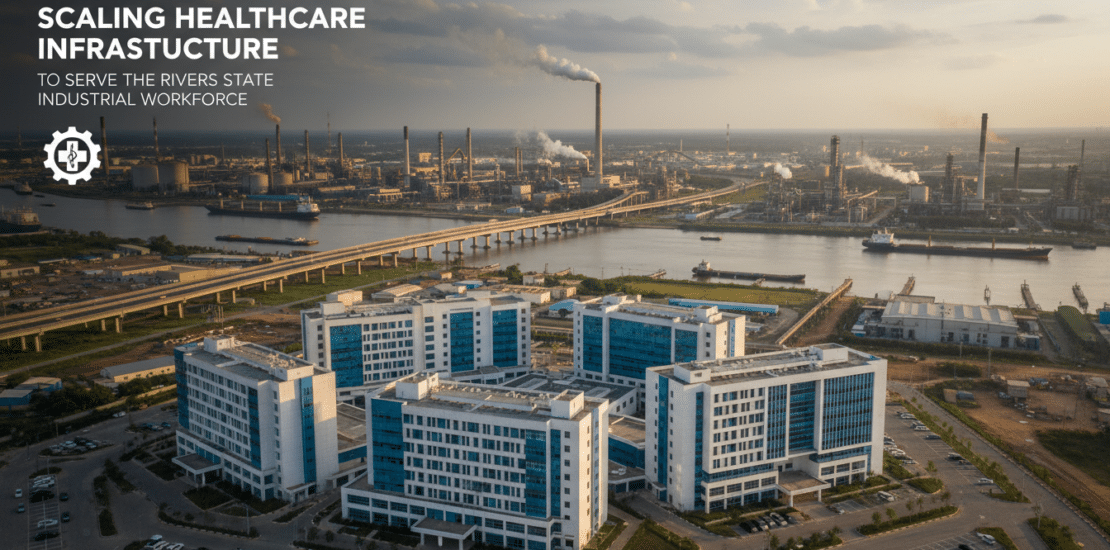
Scaling Healthcare Infrastructure to Serve the Rivers State Industrial Workforce
Rivers State, a pivotal player in Nigeria’s oil and gas sector and a burgeoning hub for other industries, faces a critical challenge: ensuring the health and well-being of its rapidly growing industrial workforce. A healthy workforce is not only ethically imperative but also economically vital, contributing significantly to productivity, reduced absenteeism, and a stable investment climate. However, existing healthcare infrastructure in Rivers State often struggles to meet the specialized needs and expanding demands generated by the industrial sector. This article delves into the multifaceted challenges of scaling healthcare infrastructure to effectively serve the Rivers State industrial workforce, exploring strategies, potential solutions, and the necessary collaborations to achieve a sustainable and impactful healthcare system.
Understanding the Unique Healthcare Needs of the Industrial Workforce
The Rivers State industrial workforce comprises a diverse range of skilled and unskilled laborers, engineers, technicians, managers, and support staff. Their health needs are shaped by a complex interplay of factors, including:
-
Occupational Hazards: Industries like oil and gas, manufacturing, and construction expose workers to various occupational hazards. These include exposure to hazardous chemicals (e.g., hydrocarbons, benzene, heavy metals), physical risks (e.g., machinery accidents, falls, noise-induced hearing loss), and ergonomic issues (e.g., repetitive strain injuries from factory work). The prevalence of these hazards necessitates specialized healthcare services focused on prevention, early detection, and treatment of occupational diseases and injuries.
-
Lifestyle and Demographics: The workforce often consists of individuals working long hours, potentially facing high stress levels, and adopting unhealthy lifestyle choices due to work demands and limited access to healthy food options. This can lead to an increased risk of chronic diseases like hypertension, diabetes, and cardiovascular diseases. Furthermore, the demographic profile of the workforce, often skewed towards younger adults, requires attention to reproductive health, mental health, and substance abuse prevention.
-
Geographical Distribution: Industrial activities are concentrated in specific areas within Rivers State, such as Port Harcourt, Onne, and Eleme. This geographical distribution creates uneven access to healthcare services, with workers in remote industrial sites often facing significant challenges in accessing quality medical care, especially in emergency situations.
-
Socioeconomic Factors: Many industrial workers come from lower socioeconomic backgrounds and may lack health insurance or the financial means to access private healthcare services. This underscores the need for affordable and accessible healthcare options, including public health initiatives and employer-provided healthcare schemes.
- Emergency Preparedness: Industrial sites, particularly those dealing with hazardous materials, require robust emergency preparedness plans and readily available medical response teams. The healthcare infrastructure must be equipped to handle potential emergencies, including chemical spills, explosions, and mass casualty events.
Challenges in Scaling the Healthcare Infrastructure
Scaling the healthcare infrastructure in Rivers State to effectively serve the industrial workforce is fraught with numerous challenges:
-
Inadequate Infrastructure: Existing healthcare facilities, particularly in industrial areas, are often inadequate in terms of capacity, equipment, and specialized medical personnel. Many facilities lack the diagnostic equipment necessary for detecting occupational diseases, the rehabilitation facilities needed for injured workers, and the qualified specialists to provide specialized care.
-
Shortage of Healthcare Professionals: Rivers State faces a shortage of healthcare professionals, particularly doctors, nurses, and specialists with expertise in occupational health. Attracting and retaining qualified healthcare personnel, especially in remote industrial areas, is a significant challenge. This is exacerbated by inadequate compensation, limited career development opportunities, and poor working conditions.
-
Limited Funding: Healthcare funding in Nigeria is generally inadequate, and Rivers State is no exception. Allocating sufficient resources to expand and upgrade healthcare infrastructure, train healthcare professionals, and implement public health programs requires a significant increase in investment.
-
Weak Health Information Systems: The lack of a comprehensive and integrated health information system hinders effective healthcare planning and management. Data on occupational diseases, injuries, and healthcare utilization patterns is often incomplete or unavailable, making it difficult to identify priority areas and monitor the impact of interventions.
-
Poor Coordination: There is often poor coordination between government agencies, private healthcare providers, and industrial companies in providing healthcare services to the workforce. This lack of coordination leads to duplication of efforts, inefficient resource allocation, and gaps in service delivery.
-
Regulatory Gaps: Weak enforcement of occupational health and safety regulations contributes to the prevalence of workplace hazards and the burden of occupational diseases. Strengthening regulatory oversight and ensuring compliance with international best practices is crucial for protecting the health of the industrial workforce.
- Accessibility Barriers: Geographical barriers, poor transportation infrastructure, and high healthcare costs limit access to healthcare services, particularly for workers in remote industrial sites and those from lower socioeconomic backgrounds.
Strategies for Scaling Healthcare Infrastructure
Addressing the challenges and effectively scaling healthcare infrastructure requires a multi-pronged approach, encompassing infrastructure development, human resource development, financing mechanisms, technology adoption, and strengthened collaboration:
-
Infrastructure Development and Upgrading:
-
Establish specialized occupational health clinics and hospitals: These facilities should be strategically located in industrial areas and equipped with state-of-the-art diagnostic equipment, rehabilitation facilities, and emergency response capabilities. They should offer a comprehensive range of services, including occupational health assessments, diagnosis and treatment of occupational diseases, injury management, and rehabilitation programs.
-
Upgrade existing primary healthcare centers: Strengthening primary healthcare centers in industrial communities is crucial for providing basic healthcare services, promoting preventive care, and referring patients to specialized facilities when necessary. These centers should be equipped with essential medical equipment, staffed by qualified healthcare professionals, and integrated into the broader healthcare system.
-
Invest in mobile health clinics: Mobile health clinics can provide healthcare services to workers in remote industrial sites, overcoming geographical barriers and improving access to care. These clinics can offer a range of services, including health screenings, vaccinations, health education, and basic medical care.
- Improve emergency medical services: Strengthening emergency medical services is crucial for responding to workplace accidents and medical emergencies. This includes establishing well-equipped ambulances, training emergency medical technicians, and developing efficient communication and referral systems.
-
-
Human Resource Development:
-
Increase the number of healthcare professionals: This requires expanding medical and nursing schools, offering scholarships and incentives to attract students to healthcare professions, and creating postgraduate training programs in occupational health and other specialized fields.
-
Train healthcare professionals in occupational health: Occupational health training programs should be established in universities and medical schools to equip healthcare professionals with the knowledge and skills needed to prevent, diagnose, and treat occupational diseases and injuries.
-
Offer competitive salaries and benefits: Attracting and retaining qualified healthcare professionals requires offering competitive salaries and benefits, providing opportunities for career advancement, and creating a supportive working environment.
- Provide ongoing professional development: Healthcare professionals should be provided with opportunities for ongoing professional development to keep their knowledge and skills up-to-date. This can include attending conferences, participating in workshops, and accessing online training resources.
-
-
Financing Mechanisms:
-
Increase government funding for healthcare: The government should allocate a larger proportion of its budget to healthcare, with a specific focus on scaling healthcare infrastructure in industrial areas.
-
Encourage employer-sponsored health insurance: Industrial companies should be encouraged to provide health insurance to their employees, covering a range of healthcare services, including occupational health assessments, treatment of occupational diseases, and injury management.
-
Explore public-private partnerships: Public-private partnerships can be used to finance and manage healthcare infrastructure projects, leveraging the expertise and resources of both the public and private sectors.
- Establish a dedicated occupational health fund: A dedicated occupational health fund can be established to finance research on occupational diseases, develop prevention programs, and provide financial assistance to workers affected by occupational diseases.
-
-
Technology Adoption:
-
Implement electronic health records: Electronic health records can improve the efficiency and effectiveness of healthcare delivery by providing healthcare professionals with access to patient information, facilitating data analysis, and reducing administrative burdens.
-
Utilize telemedicine: Telemedicine can be used to provide remote healthcare services to workers in remote industrial sites, improving access to care and reducing the need for travel.
-
Develop mobile health applications: Mobile health applications can be used to promote healthy behaviors, provide health information, and monitor patients’ health remotely.
- Leverage data analytics: Data analytics can be used to identify patterns in occupational diseases, track healthcare utilization patterns, and monitor the impact of interventions.
-
-
Strengthened Collaboration:
-
Establish a multi-stakeholder coordinating body: A multi-stakeholder coordinating body, comprising representatives from government agencies, private healthcare providers, industrial companies, and worker organizations, should be established to oversee the development and implementation of healthcare strategies for the industrial workforce.
-
Develop a shared vision and goals: The coordinating body should develop a shared vision and goals for healthcare in the industrial sector, ensuring that all stakeholders are aligned and working towards common objectives.
-
Promote information sharing: The coordinating body should promote information sharing among stakeholders, including data on occupational diseases, best practices for prevention, and lessons learned from previous interventions.
- Foster collaborative research: The coordinating body should foster collaborative research on occupational health issues, bringing together researchers from universities, government agencies, and private companies.
-
-
Strengthening Regulatory Framework:
-
Enforce existing occupational health and safety regulations: Strengthened enforcement of existing regulations is crucial for preventing workplace hazards and protecting the health of workers. This includes conducting regular inspections of industrial sites, imposing penalties for violations, and providing training to workers on safe work practices.
-
Update and modernize regulations: Existing regulations should be updated and modernized to reflect current scientific knowledge and best practices. This includes addressing emerging occupational health risks, such as exposure to nanomaterials and the ergonomic hazards of computer work.
- Promote a culture of safety: Creating a culture of safety in the workplace is essential for preventing accidents and promoting the health of workers. This includes encouraging workers to report hazards, providing training on safe work practices, and empowering workers to participate in safety committees.
-
Specific Areas of Focus
Beyond the broad strategies outlined above, certain specific areas require particular attention:
-
Mental Health Support: The industrial workforce often faces high levels of stress due to demanding work schedules, challenging working conditions, and economic insecurity. Mental health services, including counseling, stress management programs, and employee assistance programs, should be readily available to workers.
-
Substance Abuse Prevention and Treatment: Substance abuse can be a significant problem among industrial workers, leading to accidents, absenteeism, and health problems. Prevention programs, early intervention services, and treatment options should be provided to address substance abuse issues.
-
Reproductive Health Services: Providing access to reproductive health services, including family planning, prenatal care, and postnatal care, is crucial for the health and well-being of female workers and their families.
-
Health Education and Promotion: Health education and promotion programs can empower workers to make informed choices about their health and adopt healthy behaviors. These programs should address a range of health issues, including nutrition, exercise, smoking cessation, and stress management.
- Ergonomics Programs: Implementing ergonomics programs can help to prevent repetitive strain injuries and other musculoskeletal disorders. These programs should involve ergonomic assessments of workplaces, training on proper lifting techniques, and the provision of ergonomic equipment.
Scaling the healthcare infrastructure to effectively serve the Rivers State industrial workforce is a complex but achievable goal. By adopting a multi-pronged approach, investing in infrastructure and human resources, leveraging technology, and strengthening collaboration, Rivers State can create a healthcare system that protects the health and well-being of its workforce, contributing to a more productive, sustainable, and equitable economy. This requires a long-term commitment from government, industry, healthcare providers, and worker organizations, working together to build a healthier future for all.
Related Posts
 How Rivers State maritime infrastructure supports global commodity trading
 Scaling data center capacity to meet the surging digital demand in Delta state Nigeria
 Partnering with Delta State Government for Industrial Park Development
 Building World-Class Healthcare Facilities Through Delta State PPPs
 How Delta State is De-Risking Infrastructure Investment for Private Partners
 Investing in the Oyo State solid minerals sector for global industrial supply
 The growth of aviation and hospitality services in the Rivers State capital
 Why the Ogun State manufacturing corridor is the industrial engine of Nigeria