Aqua Culture Fisheries Development Consulting Nigeria
- Posted by: PSL
- Categories: BRICS News, Financial Management, International Business and Market Entry, News Blog

Introduction
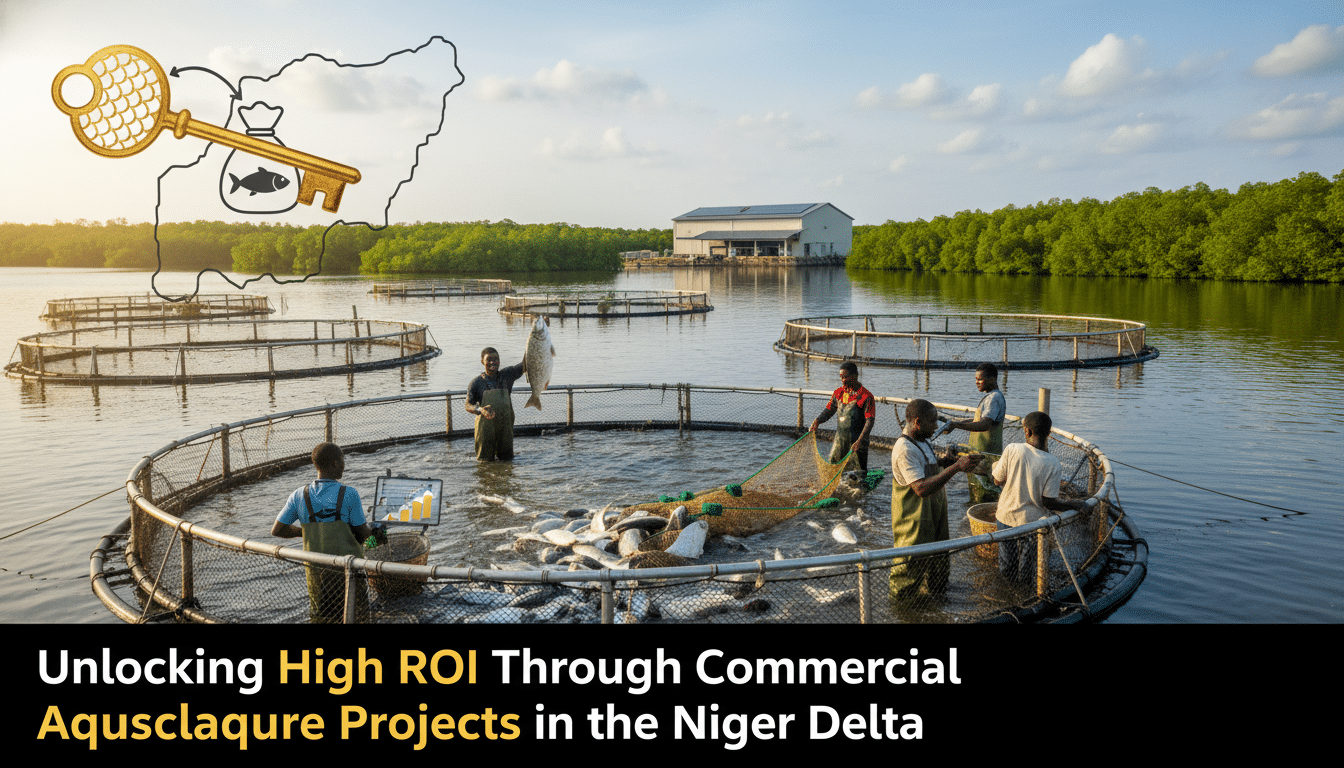
In recent years, the importance of aquaculture in Nigeria has escalated significantly, as the nation looks for sustainable solutions to meet its growing demand for fish. As the population increases and the pressure on natural fish stocks intensifies, aquaculture has emerged as a crucial avenue for both food security and economic development. Aqua Culture Fisheries Development Consulting Nigeria (ACFDCN) has positioned itself as a critical player in this burgeoning sector, providing expert consulting services that facilitate the growth and stability of fish farming practices across the country.
The Aquaculture Landscape in Nigeria
Overview of Aquaculture in Nigeria
Nigeria is blessed with abundant water bodies, including rivers, lakes, and coastlines, which provide ideal conditions for fish farming. The aquaculture industry has the potential to significantly enhance food security, provide jobs, and stimulate economic growth. Despite this potential, the sector is still underdeveloped when compared to other countries, with several challenges hindering its growth, such as lack of technical expertise, inadequate infrastructure, and limited access to quality inputs.
Importance of Fish Farming
Fish is a vital source of protein for the Nigerian population, especially in regions where livestock farming is less feasible. With the increasing demand for fish, not only for local consumption but also for export, aquaculture initiatives are imperative. Fish farming also has the added benefit of environmental sustainability, as it can reduce the pressures on natural fisheries that are often over-exploited.
Services Offered by Aqua Culture Fisheries Development Consulting Nigeria
ACFDCN offers a range of consulting services aimed at nurturing the aquaculture industry. These services include:
Technical Consulting
Technical consulting forms the backbone of ACFDCN’s service offerings. The firm employs aquaculture experts who work directly with fish farmers to optimize their production processes. This includes guidance on pond design, species selection, stocking densities, feeding practices, and harvesting techniques. Furthermore, ACFDCN provides training workshops and seminars, ensuring stakeholders are equipped with the latest best practices and innovations in fish farming.
Business Development
Navigating the business landscape can be challenging for aquaculture entrepreneurs. ACFDCN aids clients in developing comprehensive business plans that outline the operational, financial, and marketing strategies necessary for successful fish farming. This includes market analysis, funding opportunities, and strategies for scaling operations. The firm also assists in navigating the regulatory environment, ensuring compliance with health and safety standards.
Market Access and Networking
One of the biggest hurdles faced by fish farmers is gaining access to markets. ACFDCN leverages its extensive network to connect farmers with buyers and distributors. This improves the chances of selling their products at competitive prices. The consulting firm also organizes trade fairs and exhibitions, providing farmers with a platform to showcase their products and network with potential buyers.
Sustainable Practices
Sustainability is at the heart of modern aquaculture, and ACFDCN is committed to promoting eco-friendly practices among its clients. This involves advising on the use of sustainable feed sources, water management techniques, and waste management practices. By encouraging sustainable methods, ACFDCN aims to ensure that fish farming contributes positively to the environment and community.
Challenges in Aquaculture and ACFDCN’s Solutions
The aquaculture sector in Nigeria is riddled with challenges, which ACFDCN actively seeks to address through tailored consulting solutions.
Disease Management
Aquaculture can be vulnerable to various diseases that can devastate fish populations. ACFDCN emphasizes the importance of biosecurity measures, providing farmers with protocols to minimize disease outbreaks. This includes recommending vaccination programs, proper feeding practices, and routine health assessments.
Access to Quality Inputs
Another critical challenge is the availability of quality inputs such as feed, fingerlings, and other essential supplies. ACFDCN advocates for establishing partnerships with local suppliers, thus enhancing the quality and availability of these inputs for fish farmers.
Training and Capacity Building
Many fish farmers lack the necessary skills and knowledge to operate effectively. ACFDCN prioritizes training and capacity-building initiatives that empower farmers to enhance their operational efficiency. Workshops, field visits, and hands-on training are all part of the strategy to improve skill sets within the industry.
Financial Support and Funding Opportunities
While the aquaculture sector has immense potential, access to finance remains a significant barrier for many aspiring fish farmers. ACFDCN works closely with financial institutions and development agencies to explore funding opportunities for its clients.
Microloans and Grants
By connecting farmers with microfinance institutions and non-governmental organizations (NGOs) that offer grants, ACFDCN helps aspiring entrepreneurs secure the financial backing needed to start or scale their fish farming operations.
Investment Opportunities
ACFDCN also identifies investment opportunities for larger aquaculture ventures and seeks potential investors who are interested in funding sustainable initiatives within the sector. By presenting well-researched business proposals, clients are more likely to attract investment.
Policies and Regulations in Aquaculture
The Nigerian government has initiated various policies to foster the growth of aquaculture. ACFDCN emphasizes the importance of understanding these regulations and ensures that clients are in compliance with local and national laws.
Regulatory Framework
Navigating the regulatory landscape can be daunting for fish farmers. ACFDCN provides expert guidance on the necessary permits and licenses required to operate legally. This includes advising on environmental impact assessments and health regulations pertaining to aquaculture operations.
Government Initiatives
The Nigerian government has also introduced several initiatives aimed at boosting the aquaculture sector, including subsidies on aquaculture inputs and training programs. ACFDCN keeps its clients informed about these programs, ensuring they can take advantage of government support.
Future Prospects for Aquaculture in Nigeria
The future of aquaculture in Nigeria is promising, with considerable opportunities for growth.
Technological Advancements
Emerging technologies such as recirculating aquaculture systems (RAS) and smart farming techniques will revolutionize the industry. ACFDCN stays on top of technological trends, enabling its clients to incorporate innovative solutions into their farming practices.
Global Markets
As the global demand for fish increases, Nigeria’s aquaculture sector has the potential to export produce to international markets. However, this requires adherence to international quality standards. ACFDCN assists in preparing farms for certification processes and improving product quality to meet export demands.
Community Development
Aquaculture also presents opportunities for community development. By promoting local fish farming initiatives, ACFDCN contributes to job creation and economic empowerment. Community-focused projects that involve training programs and cooperative farming can significantly improve livelihoods.
Case Studies of Successful Projects
ACFDCN’s impact can be seen in various case studies where its consulting services have led to the successful establishment and growth of fish farms across Nigeria.
Case Study 1: Farm A in Ogun State
Farm A started as a small venture with limited resources. Through ACFDCN’s guidance, the owner was able to optimize production techniques, secure funding, and navigate regulatory challenges. The farm now serves as a model for aspiring fish farmers in the region.
Case Study 2: Cooperative in Delta State
A fishing cooperative in Delta State faced considerable challenges in accessing markets. ACFDCN helped them enhance their business strategy and established connections with local buyers, leading to increased sales and profit margins.
The Role of Partnerships
Collaboration is vital to fostering growth in the aquaculture sector. ACFDCN actively seeks partnerships with local and international organizations to enhance its service offerings.
Local Partnerships
By collaborating with universities and research institutions, ACFDCN benefits from cutting-edge research and innovations that can be applied in the field, ensuring that fish farmers have access to the latest knowledge and technology.
International Collaborations
International partnerships can also facilitate knowledge transfer and capacity building. ACFDCN works with global aquaculture organizations, enabling its clients to gain insights into best practices and sustainable farming techniques used worldwide.
Conclusion
The growth of aquaculture in Nigeria represents an incredible opportunity not just for food security, but also for economic advancement. Aqua Culture Fisheries Development Consulting Nigeria plays a central role in this development, equipping fish farmers with the necessary skills, knowledge, and resources to thrive in this vital sector. The continued support, training, and innovative solutions provided by ACFDCN will undoubtedly shape the future of aquaculture in Nigeria, leading to sustainable development and enhanced livelihoods for many.