

Unlocking high ROI through commercial aquaculture projects in the Niger Delta
- Posted by: PSL
- Categories: BRICS News, Financial Management, Human Resources and Talent Management, International Business and Market Entry, Marketing and Sales, News Blog, Operations and Process Improvement, Organizational Development, Risk Management and Compliance, Strategy and Planning, Technology and Digital Transformation
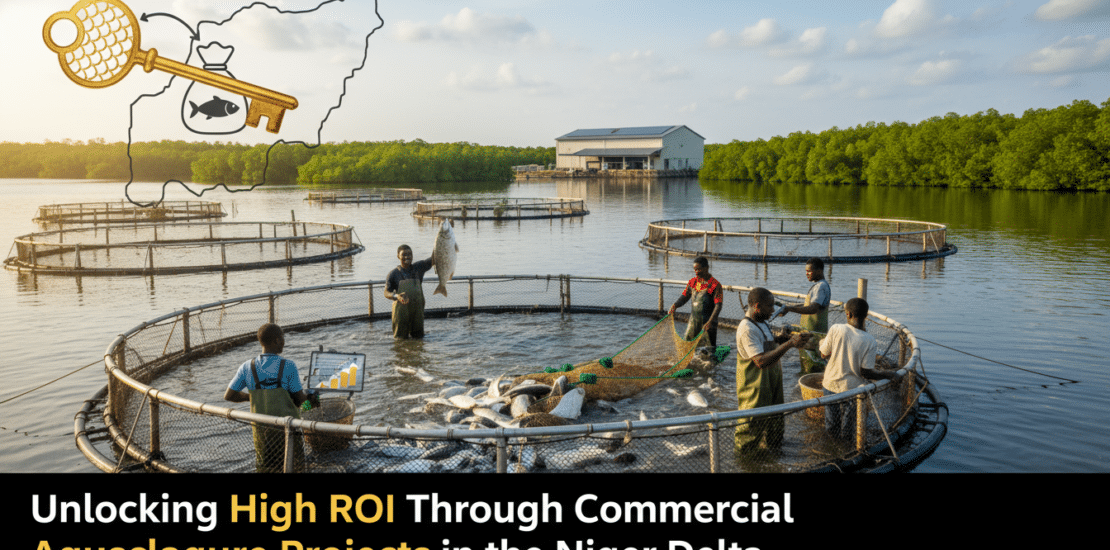
Unlocking High ROI Through Commercial Aquaculture Projects in the Niger Delta: A Deep Dive into Opportunities and Challenges
The Niger Delta, a region synonymous with oil wealth and environmental degradation, presents a unique paradox. While hydrocarbons have dominated its economy for decades, a significant opportunity lies submerged: commercial aquaculture. With its vast network of rivers, creeks, lagoons, and mangrove ecosystems, the Niger Delta possesses the natural resources to become a powerhouse in fish production, offering a pathway to economic diversification, food security, and improved livelihoods. However, unlocking the high ROI potential of aquaculture in the region requires careful consideration of its unique challenges and a strategic approach that emphasizes sustainability, community engagement, and innovative technologies.
The Untapped Potential: Why Aquaculture Makes Sense for the Niger Delta
The arguments for investing in commercial aquaculture in the Niger Delta are compelling:
- Abundant Natural Resources: The region boasts a favorable climate and ample water resources, essential ingredients for thriving aquaculture ventures. The warm temperatures facilitate rapid fish growth, and the interconnected waterways provide access for farming operations and transportation.
- Growing Demand for Fish: Nigeria faces a significant fish deficit, importing substantial quantities annually to meet local demand. Aquaculture offers a viable solution to reduce dependence on imports and enhance domestic food security. The Niger Delta, strategically located with access to major markets in southern Nigeria, is well-positioned to capitalize on this demand.
- Economic Diversification: Shifting reliance away from oil and gas is crucial for the long-term economic stability of the Niger Delta. Aquaculture offers an alternative source of income and employment, reducing vulnerability to fluctuations in the global oil market. It can foster the development of ancillary industries, such as feed production, processing, and packaging, creating a ripple effect throughout the regional economy.
- Job Creation and Poverty Reduction: Aquaculture can generate employment opportunities across the value chain, from farm workers and technicians to marketers and distributors. This can contribute to poverty reduction and improve the standard of living for communities in the Niger Delta, particularly those affected by the negative impacts of oil exploration.
- Environmental Remediation: Responsible aquaculture practices can contribute to environmental remediation efforts in the Niger Delta. For instance, integrated aquaculture systems can utilize waste products from one sector to benefit another, reducing pollution and promoting sustainable resource management. Oyster and mussel farming can improve water quality by filtering pollutants and excess nutrients.
- Access to International Markets: With the right quality standards and certifications, aquaculture products from the Niger Delta can access lucrative international markets, generating foreign exchange and boosting the region’s profile as a reliable supplier of seafood.
Navigating the Challenges: Key Constraints to Aquaculture Development
Despite its immense potential, the path to successful commercial aquaculture in the Niger Delta is fraught with challenges:
- Environmental Degradation: Decades of oil exploration and spills have severely impacted the Niger Delta’s environment, polluting waterways and degrading aquatic habitats. This contamination can affect fish health, productivity, and marketability. Addressing pollution through remediation efforts and promoting environmentally sound aquaculture practices is crucial.
- Insecurity and Social Unrest: The Niger Delta has a history of instability and conflict, driven by grievances related to resource control, environmental degradation, and economic inequality. Insecurity can deter investment, disrupt farming operations, and hinder access to markets. Addressing the root causes of conflict through community engagement and sustainable development initiatives is essential for creating a stable environment for aquaculture development.
- Lack of Infrastructure: Inadequate infrastructure, including roads, electricity, and cold storage facilities, poses a significant obstacle to aquaculture development. Poor road networks hinder access to markets and increase transportation costs. Unreliable electricity supply disrupts farming operations and increases the risk of spoilage. Insufficient cold storage capacity limits the shelf life of fish and restricts access to distant markets.
- Limited Access to Finance: Access to credit is a major constraint for aquaculture farmers, particularly small-scale operators. Banks are often reluctant to lend to aquaculture projects due to perceived risks and lack of collateral. Innovative financing mechanisms, such as microfinance programs and risk-sharing schemes, are needed to address this challenge.
- Inadequate Technical Expertise: A shortage of trained aquaculture professionals, including farm managers, technicians, and extension officers, limits the capacity of the sector to adopt best practices and improve productivity. Investing in training programs and promoting knowledge transfer is crucial for building a skilled workforce.
- High Cost of Inputs: The cost of fish feed, fingerlings, and other inputs can be prohibitive for many aquaculture farmers, particularly those operating on a small scale. Developing local feed production capacity and promoting the use of alternative feed ingredients can help reduce input costs.
- Poor Water Quality Management: Inadequate water quality management can lead to disease outbreaks, reduced growth rates, and even fish mortality. Promoting the use of water quality monitoring systems and implementing best management practices for water treatment and aeration are essential for maintaining healthy aquaculture environments.
- Land Tenure Issues: Conflicting land claims and unclear property rights can create uncertainty and hinder investment in aquaculture projects. Establishing clear land tenure systems and resolving land disputes are crucial for promoting long-term investment in the sector.
- Weak Regulatory Framework: A weak regulatory framework and inadequate enforcement can lead to unsustainable aquaculture practices and environmental damage. Strengthening regulatory oversight and promoting compliance with environmental standards are essential for ensuring the long-term sustainability of the sector.
- Climate Change Impacts: The Niger Delta is particularly vulnerable to the impacts of climate change, including sea-level rise, increased flooding, and changes in water salinity. Adapting aquaculture practices to mitigate the impacts of climate change is crucial for ensuring the long-term viability of the sector.
Strategic Approaches to Unlocking High ROI in Niger Delta Aquaculture
Overcoming these challenges requires a strategic and multi-faceted approach that addresses the specific needs and context of the Niger Delta:
- Promoting Sustainable Aquaculture Practices: Emphasize environmentally responsible aquaculture practices that minimize pollution, conserve water resources, and protect biodiversity. This includes promoting the use of recirculating aquaculture systems (RAS), integrated aquaculture systems (IAS), and other sustainable technologies. Strict enforcement of environmental regulations is critical.
- Community Engagement and Empowerment: Engage local communities in all stages of aquaculture project development, from planning and implementation to monitoring and evaluation. This ensures that projects are aligned with community needs and priorities, and that local communities benefit from the economic opportunities created by aquaculture.
- Investing in Infrastructure Development: Prioritize investments in infrastructure, including roads, electricity, cold storage facilities, and water supply systems. Public-private partnerships can be leveraged to finance infrastructure projects and ensure their long-term sustainability.
- Improving Access to Finance: Develop innovative financing mechanisms that provide access to credit for aquaculture farmers, particularly small-scale operators. This includes microfinance programs, risk-sharing schemes, and government-backed loan guarantees.
- Building Technical Capacity: Invest in training programs to develop a skilled workforce of aquaculture professionals, including farm managers, technicians, and extension officers. Partner with universities, research institutions, and vocational training centers to provide relevant and practical training.
- Promoting Local Feed Production: Encourage the development of local feed production capacity to reduce reliance on imported feed and lower input costs. This includes supporting research on alternative feed ingredients and providing incentives for local feed producers.
- Strengthening Water Quality Management: Implement water quality monitoring systems and promote best management practices for water treatment and aeration. This will help prevent disease outbreaks and maintain healthy aquaculture environments.
- Addressing Land Tenure Issues: Establish clear land tenure systems and resolve land disputes to provide security of tenure for aquaculture farmers. This will encourage long-term investment in the sector.
- Strengthening Regulatory Oversight: Strengthen regulatory oversight of the aquaculture sector to ensure compliance with environmental standards and promote sustainable practices. This includes developing clear regulations, enforcing compliance, and providing training to regulators.
- Adapting to Climate Change: Implement measures to adapt aquaculture practices to the impacts of climate change. This includes developing climate-resilient aquaculture systems, diversifying aquaculture species, and promoting water conservation strategies.
- Developing Aquaculture Clusters: Create aquaculture clusters to promote collaboration and knowledge sharing among farmers, processors, and other stakeholders. This can help improve productivity, reduce costs, and enhance access to markets.
- Promoting Value Addition: Support the development of processing and packaging facilities to add value to aquaculture products and increase their marketability. This can help farmers access higher-value markets and improve their profitability.
- Enhancing Market Access: Improve access to markets for aquaculture products through improved infrastructure, transportation networks, and market information systems. This will help farmers sell their products at competitive prices and increase their incomes.
- Leveraging Technology: Embrace innovative technologies to improve aquaculture productivity, reduce costs, and enhance sustainability. This includes using sensor technology to monitor water quality, automated feeding systems, and remote sensing to assess aquaculture potential.
- Promoting Research and Development: Invest in research and development to improve aquaculture practices, develop new aquaculture species, and address the challenges facing the sector. This includes supporting research on disease management, feed development, and environmental sustainability.
- Establishing Partnerships: Foster partnerships between government, the private sector, research institutions, and local communities to promote sustainable aquaculture development. This can help leverage resources, share knowledge, and ensure that projects are aligned with the needs of all stakeholders.
By addressing these challenges and implementing these strategic approaches, the Niger Delta can unlock the high ROI potential of commercial aquaculture and transform its economy into a sustainable and prosperous one. The journey requires commitment, collaboration, and a long-term vision, but the rewards – food security, economic diversification, and improved livelihoods – are well worth the effort.
Related Posts
 Unlocking the Agricultural Value Chain Through PPPs in Delta State
 The Gateway to the Niger Delta Why Delta State Should Be Your First Stop
 The Role of Private Capital in Expanding Delta Stateʼs Urban Renewal Projects
 Why Diaspora Investors Are Choosing Delta State for Legacy Projects
 Building World-Class Healthcare Facilities Through Delta State PPPs
 Investing in high rise commercial real estate within the Eko Atlantic ecosystem
 How the Second Niger Bridge is unlocking new logistics value in Anambra
 Unlocking value in the Kano State commercial agriculture and irrigation sector