

Effective Tax Structure Design Corporate Setup
- Posted by: PSL
- Categories: BRICS News, Financial Management, International Business and Market Entry, News Blog
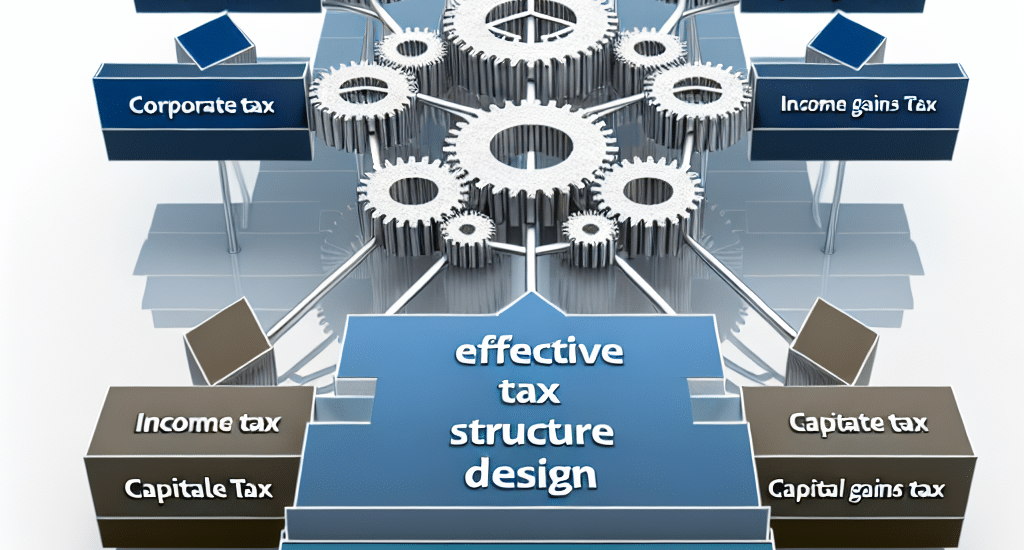
Introduction to Tax Structure Design
Tax structure design refers to the strategic framework established within a corporation to minimize tax liabilities while maintaining compliance with tax laws. A well-designed tax structure is crucial for corporations not only to optimize their financial performance but also to enhance their competitive position in the market. An effective tax structure aligns with the corporation’s overall business strategy, taking into consideration factors like operations, jurisdiction, and market dynamics.
In this article, we will explore the essential components of an effective tax structure, including the types of entities available, considerations for choosing the right jurisdiction, compliance issues, and the merits and demerits of various tax structures.
Choosing the Right Legal Entity
Corporations, Partnerships, and LLCs
The first step in designing a corporate tax structure is selecting the appropriate legal entity. The commonly used legal entities include:
-
Corporations: These are separate legal entities that offer limited liability protection to their owners (shareholders). Corporations can be either C corporations or S corporations in the United States.
- C Corporation: Taxed at the corporate level. Shareholders pay taxes on dividends, leading to double taxation.
- S Corporation: Income, losses, and tax credits pass through to shareholders, avoiding double taxation but subject to restrictions.
-
Limited Liability Companies (LLCs): These provide limited liability protection with flexible tax treatment options. LLCs can be taxed as sole proprietorships, partnerships, or corporations. Their flexibility makes them an appealing choice for many business owners.
-
Partnerships: These entities enable two or more individuals to manage and operate a business together. Partnerships usually enjoy pass-through taxation, meaning that profits and losses are reported on the partners’ individual tax returns.
Considerations for Entity Selection
When determining the appropriate legal structure, consider the following factors:
- Liability Protection: Assess the level of liability protection required by owners and the nature of the business operations.
- Investor Requirements: Some investors prefer specific structures (e.g., C Corporation) for tax benefits or exit strategies.
- Operational Flexibility: Certain structures allow for more flexible management and operational processes.
- Tax Implications: Analyze the overall tax burden associated with each entity and how that aligns with the company’s long-term strategy.
Jurisdiction Considerations
Domestic vs. International Tax Jurisdictions
The choice of jurisdiction plays a pivotal role in shaping a corporation’s tax structure. Corporations often face decisions between domestic tax laws and international opportunities. Factors influencing this decision include:
-
Tax Rates: Different jurisdictions have varying corporate tax rates. Some countries, known as tax havens, offer significantly lower corporate taxes, which can be attractive for multinational corporations (MNCs).
-
Tax Incentives: Some jurisdictions provide tax incentives, credits, or exemptions to attract businesses. Understanding these provisions can lead to substantial tax savings.
-
Tax Treaties: Countries often enter into treaties to avoid double taxation on cross-border transactions. Understanding these treaties can help a corporation minimize its global tax liability.
-
Regulatory Environment: The complexity and predictability of tax regulations can vary significantly between jurisdictions. A stable regulatory environment promotes confidence in tax planning.
Choosing a Jurisdiction
When selecting a jurisdiction, corporations should evaluate:
- Cost of Compliance: Higher compliance costs may offset potential tax savings.
- Political Stability: Jurisdictions with unstable governments may pose risks.
- Market Accessibility: The chosen location should facilitate market access for the business’s products and services.
Tax Compliance and Reporting
Importance of Compliance
Tax compliance is essential for any corporation, as non-compliance can lead to penalties, audits, and reputational damage. An effective tax structure integrates compliance into its design and operations.
Key Compliance Considerations
-
Filing Requirements: Corporations must remain informed about various filing deadlines and requirements for federal, state, and local taxes. Clear responsibilities should be established for meeting these obligations.
-
Record Keeping: Maintaining accurate financial records is crucial for compliance and tax reporting. This includes documentation related to deductions, credits, and other tax-related transactions.
-
Audit Readiness: An effective tax structure should ensure that the corporation is always ready for audits. This involves organizing and retaining necessary documents, as well as understanding the audit process.
Engaging Tax Professionals
The complexity of tax laws necessitates engaging tax professionals who can guide corporations through compliance requirements. Tax consultants can provide expertise in:
- Developing tax strategies
- Understanding jurisdiction-specific regulations
- Ensuring compliance with evolving tax laws
Utilizing Tax Incentives and Credits
Types of Tax Incentives
Tax incentives and credits can significantly reduce a corporation’s tax burden. Some common types of tax incentives include:
-
Investment Tax Credits: Offered for purchasing certain types of equipment or technology that enhance operational efficiency or sustainability.
-
Research and Development (R&D) Tax Credits: Encourage innovation by reducing taxable income for qualifying research expenditures.
-
Employment Tax Credits: Provided for hiring specific demographics, such as veterans or individuals from low-income areas.
-
State and Local Incentives: Many states offer tax incentives to attract corporations to establish a presence within their borders.
Maximizing Tax Incentives
Effective tax structure design involves actively seeking and maximizing eligible tax incentives. This includes:
-
Conducting a Tax Incentive Assessment: Regularly reviewing operations and expenditures to identify opportunities for tax credits.
-
Long-Term Planning: Developing a strategic vision that aligns with available incentives, enabling better forecasting of tax liabilities.
International Considerations for Multinational Corporations
Transfer Pricing and Beps
For multinational corporations, transfer pricing becomes a critical area of focus. Transfer pricing refers to the prices charged between related entities in different tax jurisdictions. Proper management of transfer pricing is essential to ensure compliance with local regulations and avoid potential tax disputes.
-
Arm’s Length Principle: Prices charged for intercompany transactions must mirror those charged between unrelated parties.
-
BEPS Initiatives: The OECD’s Base Erosion and Profit Shifting (BEPS) initiatives aim to address issues arising from the aggressive tax planning by multinationals. Corporations must adapt their strategies to comply with these standards.
Global Tax Strategies
An effective tax structure for MNCs often includes international tax planning strategies such as:
- Debt vs. Equity Financing: Weighing the tax implications of different financing structures.
- Foreign Tax Credits: Utilizing foreign tax credits to mitigate double taxation on income earned abroad.
- Global Tax Compliance: Ensuring that all entities within the group comply with local tax laws while optimizing the overall tax position of the corporation.
Conclusion
While this article does not explore concluding thoughts, it emphasizes the critical importance of designing an effective tax structure in a corporate setup. The complexity and ever-evolving nature of tax regulations require corporations to remain vigilant and proactive in their tax planning strategies. By considering the elements discussed, businesses can better position themselves to manage tax liabilities, ensure compliance, and ultimately achieve their financial goals.
Related Posts
 The Importance of Regular Tax Audits for Corporate Entities
 Impact of Corporate Tax Adherence on Business Reputation
 Tax Restructuring Corporate Transactions Advisory
 Payroll Tax Services Effective Management
 Corporate Tax Planning Optimization Nigeria
 Why the FCT is the primary location for corporate headquarters and regional hubs
 Leveraging Empty Legs for Efficient Corporate Travel in Africa
 Navigating Value Added Tax Compliance in the Nigerian Market