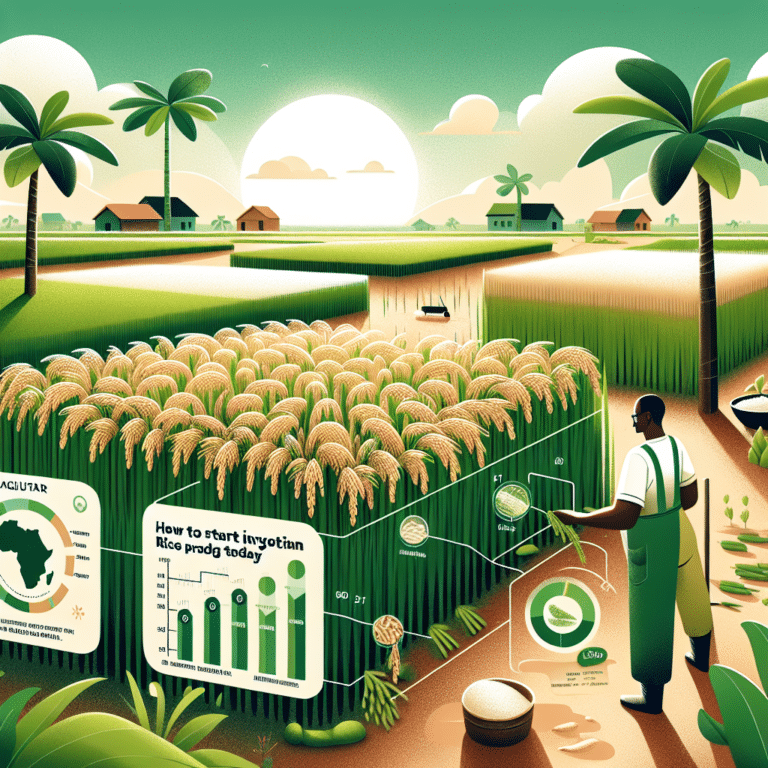

Farm Financial Management Profitability Analysis
- Posted by: PSL
- Categories: BRICS News, Financial Management, International Business and Market Entry, News Blog

Farm financial management is a critical aspect of successful farming operations, involving a variety of strategies to maximize profitability while minimizing financial risk. One of the essential components of farm financial management is profitability analysis. This analytical process helps farmers assess their financial performance, understand cost structures, and identify opportunities for improvement. This article delves into the various elements of profitability analysis within the context of farm financial management, including its importance, key components, methods of analysis, and practical applications.
Understanding Profitability in Agriculture
Profitability refers to the ability of a farm to generate income that exceeds its expenses over a specific period. In agriculture, profitability is not merely about generating revenue but also involves managing costs effectively to enhance net income. Understanding profitability is vital for decision-making, as it influences everything from crop selection to investment in technology.
The Importance of Profitability Analysis
Profitability analysis is critical for several reasons:
-
Informed Decision-Making: Analyzing profitability provides farmers with the data needed to make informed decisions about production practices, crop rotation, and resource allocation.
-
Financial Health Assessment: Understanding profitability helps farmers evaluate their financial health and sustainability in the long term, guiding investments and financial strategies.
-
Resource Allocation: By identifying which crops or livestock operations are most profitable, farmers can allocate resources more effectively.
-
Risk Management: Profitability analysis enables farmers to assess their exposure to financial risk, allowing them to implement strategies to mitigate potential losses.
-
Benchmarking: Analyzing profitability allows farmers to benchmark their performance against peers, identifying areas for improvement and competitive advantage.
Key Components of Profitability Analysis
1. Income Sources
Identifying all income sources is the first step in profitability analysis. Farmers generate income from various activities, such as:
-
Crop Sales: Revenue generated from the sale of crops is often the primary source of income for many farms. Analyzing which crops yield the highest returns is essential for profitability.
-
Livestock Sales: For farms with livestock operations, income from the sale of animals or animal products (like milk and eggs) contributes significantly to overall revenue.
-
Government Programs and Subsidies: Many farms participate in government programs that provide financial assistance, which can impact overall profitability.
-
Value-added Products: Some farmers engage in processing their products, like converting fruits into jams, which can enhance profitability by capturing more value from the supply chain.
2. Cost Structures
Understanding costs is crucial in profitability analysis. Farm costs can be categorized into:
-
Variable Costs: These include costs that vary with the level of production, such as seeds, fertilizers, and fuel. Analyzing variable costs helps identify areas where efficiencies can be improved.
-
Fixed Costs: These costs remain constant regardless of production levels, such as land leases, equipment depreciation, and salaries. Understanding fixed costs is vital to assessing overall profitability, as they are unavoidable.
-
Semi-Variable Costs: These costs have both fixed and variable components, such as utilities that have a base fee plus usage charges.
3. Financial Ratios
Utilizing financial ratios is a common method in profitability analysis. Important ratios to consider include:
-
Gross Margin Ratio: This is calculated by dividing gross profit by total sales, providing insight into the profitability of specific products or services.
-
Net Profit Margin: This ratio compares net income to total revenue and indicates how effectively a farm converts revenue into profit.
-
Return on Assets (ROA): This ratio measures how effectively a farm utilizes its assets to generate profit, providing insight into operational efficiency.
-
Return on Equity (ROE): This ratio assesses the return on investments made by the owners, which is important for understanding the business’s financial health.
Methods of Profitability Analysis
Several methods can be employed for effective profitability analysis:
1. Budgeting
Budgets are a crucial tool in profitability analysis. By preparing cash flow budgets, operating budgets, and capital budgets, farmers can project revenues and expenses for future periods. This planning helps identify expected profitability and resource needs.
-
Cash Flow Budget: This budget outlines expected cash inflows and outflows, helping farmers manage liquidity and ensuring they have sufficient funds for operations.
-
Operating Budget: This budget focuses on the operational side of the farm, projecting income associated with crop and livestock production while estimating all associated costs.
-
Capital Budget: Farmers use capital budgeting to evaluate potential investments in equipment or technology, assessing their impact on future profitability.
2. Break-Even Analysis
Break-even analysis helps farmers determine the level of production needed to cover all costs – both fixed and variable. Understanding the break-even point is critical for managing risk and making decisions about which crops to plant or livestock to raise.
The break-even point is calculated using the formula:
[
\text{Break-even point (units)} = \frac{\text{Total Fixed Costs}}{\text{Price per Unit} – \text{Variable Cost per Unit}}
]
Farmers can then analyze how different production levels impact profitability, allowing for strategic adjustments based on market conditions.
3. Sensitivity Analysis
Sensitivity analysis involves assessing how changes in variable costs, market prices, or production levels affect profitability. Farmers can utilize this method to prepare for market volatility and make more resilient operational decisions.
For instance, farmers may analyze how an increase in input prices or a decline in crop prices impacts their overall profitability. Understanding these relationships allows for more strategic planning and mitigates risks associated with market fluctuations.
Practical Applications of Profitability Analysis
1. Crop Selection
One of the most immediate applications of profitability analysis is in crop selection. By evaluating past performance data and current market trends, farmers can identify which crops are most likely to yield profitable returns.
Factors to consider include:
-
Market Demand: Analyzing market trends helps farmers choose crops with high demand and price potential.
-
Cost of Production: Understanding the variable and fixed costs associated with each crop allows farmers to calculate expected net income accurately.
2. Operational Efficiencies
Profitability analysis can reveal areas where operational efficiencies can be improved. For instance, if a specific crop consistently yields a lower gross margin, farmers may consider adjusting their management practices or scaling back on that crop in favor of more profitable options.
3. Diversification Strategies
Using profitability analysis, farmers can also assess the potential benefits of diversifying their operations. By exploring value-added products, livestock integration, or even agritourism, farmers can enhance their revenue streams and mitigate risks associated with market fluctuations.
4. Technology Adoption
Farmers can leverage profitability analysis to make informed decisions about adopting new technologies, such as precision agriculture tools, that can reduce costs and increase yields. By analyzing the return on investment associated with technology, they can make well-rounded decisions on innovation.
5. Financial Planning and Forecasting
Profitability analysis serves as a foundation for financial planning. By estimating future income and costs, farmers can create robust financial forecasts that aid in securing loans or investments. Financial institutions often require detailed profitability analyses before approving funding, making this an essential element of farm management.
Challenges in Profitability Analysis
While profitability analysis is vital, it does come with challenges:
-
Data Availability and Quality: Accurate profitability analysis relies on high-quality, up-to-date data. Many farmers may lack the necessary systems for tracking detailed financial information, impacting the reliability of their analyses.
-
Complex Cost Structures: Farms often have complex cost structures that can make it difficult to ascertain the true profitability of individual operations or products.
-
Market Volatility: Agriculture is inherently subject to market fluctuations due to environmental factors, global supply and demand changes, and commodity price shifts. This volatility complicates profitability predictions and analyses.
-
Time Constraints: Farmers often juggle multiple responsibilities and may lack the time necessary to conduct comprehensive profitability analyses.
Conclusion
Profitability analysis is a fundamental aspect of farm financial management that enables farmers to make informed decisions, assess their financial health, manage risk, and improve overall operational efficiency. By understanding income sources, cost structures, and applying various analytical methods, farmers can optimize their profitability and ensure the long-term sustainability of their operations.