

How to Start Investing in Nigerian Rice Production Today
- Posted by: PSL
- Categories: BRICS News, Financial Management, Human Resources and Talent Management, International Business and Market Entry, Marketing and Sales, News Blog, Operations and Process Improvement, Organizational Development, Risk Management and Compliance, Strategy and Planning, Technology and Digital Transformation
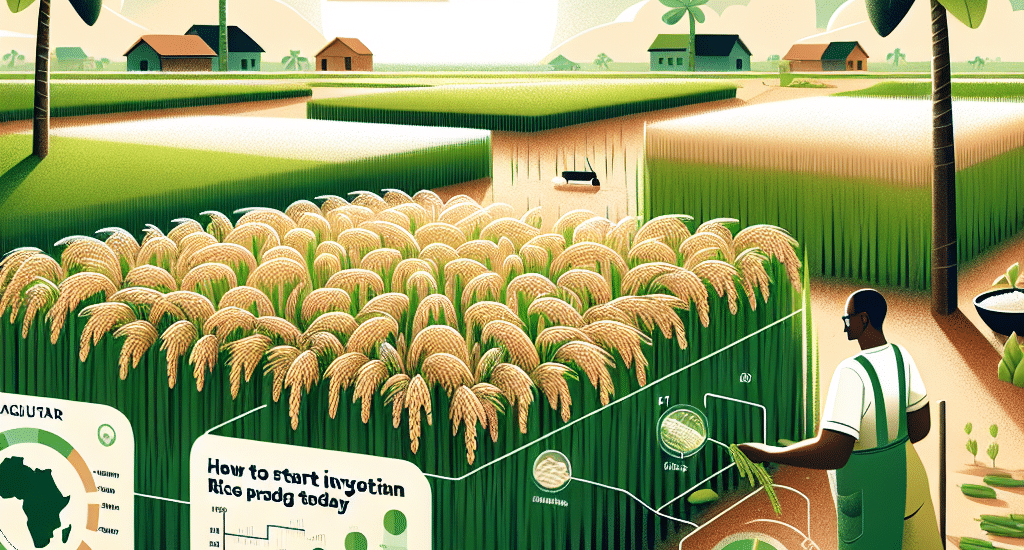
Introduction to Nigeria’s Rice Production Sector
Nigeria ranks as one of the largest rice producers in Africa. Over the past decade, rice has become a staple food across the country due to its growing popularity, diverse culinary uses, and potential for higher yields. The Nigerian government has recognized the importance of rice production and has initiated various policies aimed at boosting local production, reducing dependence on imports, and enhancing the agricultural sector’s contribution to the economy. For investors looking to dive into a promising venture, investing in rice production in Nigeria offers lucrative opportunities.
This article outlines actionable steps for prospective investors interested in benefiting from Nigeria’s rice production sector.
Understanding the Market Dynamics
Demand and Consumption Trends
Nigeria has a high demand for rice, with increasing consumption expected due to rapid urbanization and changing dietary preferences. The rice market in Nigeria is characterized by a burgeoning middle class that is keen on adopting rice as a staple food. As such, an understanding of local consumption habits and preferences is critical for any investor.
To gauge market trends, potential investors should conduct market research to assess:
-
Consumption Patterns: Understanding the typical consumption patterns (varieties, preferences, and seasonal fluctuations) can help tailor production plans.
-
Price Trends: Monitoring rice prices across various regions enables investors to identify profitable markets and optimize selling strategies.
- Import vs. Local Production: With importation costs surging, there is a growing push towards local production. Investors must be attuned to government policies on import restrictions and incentives for local production.
Regulatory Environment
Before making any investments, familiarize yourself with the regulatory environment governing rice production in Nigeria. The Nigerian government has established various agencies to support agricultural investments, including:
-
Federal Ministry of Agriculture and Rural Development (FMARD): They oversee agricultural policy and provide guidelines for agricultural investments.
-
Nigerian Agricultural Quarantine Service (NAQS): This agency ensures compliance with agricultural standards, which is critical for exporting rice.
- Central Bank of Nigeria (CBN): The CBN has initiatives aimed at financing agricultural projects, particularly through its Anchor Borrowers’ Program.
Being aware of these agencies helps aspirants navigate the regulatory complexities and tap into available support.
Step-by-Step Guide on How to Start Investing
Step 1: Conduct Feasibility Studies
A thorough feasibility study is essential before diving in. This assessment should address:
-
Location: Identify suitable locations with access to necessary resources such as water, arable land, and logistics.
-
Soil Analysis: Understanding soil types and fertility is vital for determining the right cultivation techniques and selecting the best rice varieties.
-
Infrastructure: Evaluate existing infrastructure—like roads, storage facilities, and irrigation systems—to support production and distribution.
- Investment Costs: Get clear estimates on capital needed for land acquisition, seeds, fertilizers, labor, equipment, and compliance.
Step 2: Create a Business Plan
A well-structured business plan serves as a roadmap for your investment journey. The essentials of a robust business plan include:
-
Executive Summary: Provide a concise overview of your business idea, objectives, and what makes your venture unique.
-
Market Analysis: Present your findings on market demand, competition, and potential risks.
-
Operations Plan: Outline agricultural practices including land preparation, planting, irrigation, and harvesting.
-
Financial Projections: Detail your projected costs, revenue forecasts, and break-even analysis.
- Marketing Strategy: Define how you plan to market your rice, including distribution channels, packaging, and branding.
Step 3: Acquire Land
Land acquisition is one of the most critical steps that require planning and execution. Consider the following:
-
Land Ownership: Familiarize yourself with the Land Use Act of 1978, which governs land ownership in Nigeria. You have options like purchasing land or leasing from private owners or the state.
-
Land Suitability: Ensure the land is suitable for rice cultivation—this typically includes checking for water availability and soil fertility.
- Legal Framework: Engage legal experts to help you navigate land transactions to avoid potential legal disputes.
Step 4: Secure Financing
Securing funds for the venture can be challenging but is doable through several channels:
-
Personal Capital: Invest your personal savings into the venture.
-
Bank Loans: Approach banks or financial institutions offering agriculture-specific loans.
-
Government Programs: Explore government initiatives designed to boost agricultural investment, like the CBN’s Anchor Borrowers’ Program.
- Investors and Partnerships: Seek investors interested in agricultural ventures or potential partnerships with established agribusiness firms.
Step 5: Select the Right Rice Varieties
Nigeria hosts several rice varieties suitable for different environments. Consider factors like yield, resistance to disease, and local climate. Popular varieties include:
-
L22: Known for its high yield and disease resistance.
- NERICA (New Rice for Africa): A hybrid variety that offers drought resistance and better nutritional values.
Researching and testing various rice varieties can optimize yield and cater to specific market demands.
Step 6: Prepare for Cultivation
Before planting, make sure to implement the following:
-
Soil Preparation: Engage in land clearing, tilling, and soil enrichment using fertilizer based on soil test results.
-
Irrigation Systems: Invest in efficient irrigation techniques, crucial in ensuring optimal water supply, especially in dry seasons.
-
Pest and Disease Management: Develop a pest and disease management strategy to minimize losses. This can include adopting integrated pest management (IPM) techniques.
- Labor Management: Hiring skilled labor is essential. Ensure training is provided on proper agricultural practices to maximize productivity.
Step 7: Agronomic Practices
Investing in proper agronomic practices enhances your rice yields. Focus on:
-
Planting Methods: Choose between traditional broadcasting and modern transplanting methods based on resources and scale.
-
Crop Rotation: Implement crop rotation to improve soil fertility and reduce pest outbreaks.
- Fertilizer Application: Utilize appropriate yields of fertilizers to enhance productivity, based on the soil’s nutrient needs.
Step 8: Harvesting and Post-Harvest Management
Harvesting should be planned based on the growth cycle of the rice variety used. Key aspects to consider include:
-
Optimal Harvesting Time: Harvest when the grains reach the right moisture level to prevent losses.
-
Post-Harvest Handling: Proper handling practices minimize grain losses. Invest in facilities for drying, storage, and packaging.
- Quality Control: Ensure that post-harvest quality control measures are in place. Grading and quality assurance will appeal to buyers and expand your market reach.
Step 9: Marketing Your Rice
Developing a robust marketing strategy is crucial to ensure the successful sale of your rice. Consider the following:
-
Brand Development: Build a reputable brand that stands out in the market.
-
Distribution Channels: Identify distribution strategies—whether you’ll sell directly to restaurants, supermarkets, or local markets.
-
Agro-Export: Explore export opportunities by complying with international quality standards if looking to reach global markets.
- Local Partnerships: Collaborate with local distributors and retailers for wider market access.
Step 10: Monitor and Scale
Use performance metrics to assess productivity and profitability. Continuous monitoring allows for timely interventions and scaling opportunities. Focus on:
-
Staff Training: Regularly train farm staff to adopt best practices.
-
Technology Adoption: Utilize agritec innovations like drones and data analytics for yield optimization.
- Market Feedback: Maintain open channels of communication with customers to understand their needs and adapt your production strategies accordingly.
By focusing on these foundational steps, investors can effectively enter the Nigerian rice production sector, tapping into its vast potential while contributing to food security and economic growth in the region. For those prepared to navigate the complexities of this landscape, the rewards can be substantial.
Related Posts
 Investment Potential in the Nigerian Vaccine Production Sector
 Unlocking the legacy value of diaspora investments in Nigerian agriculture
 Investing in the Nigerian tech startup ecosystem for exponential growth
 Investing in the Abia State palm oil value chain for the West African market
 Investing in Nigerian Cassava Processing for High Returns
 The Future of Commercial Vegetable Farming Investments in Nigeria
 Why Nigerian Start-up Airlines Need Professional Consultancy
 Strengthening Local Manufacturing in the Nigerian Pharma Space