

Scaling data center capacity to meet the surging digital demand in Delta state Nigeria
- Posted by: PSL
- Categories: BRICS News, Financial Management, Human Resources and Talent Management, International Business and Market Entry, Marketing and Sales, News Blog, Operations and Process Improvement, Organizational Development, Risk Management and Compliance, Strategy and Planning, Technology and Digital Transformation
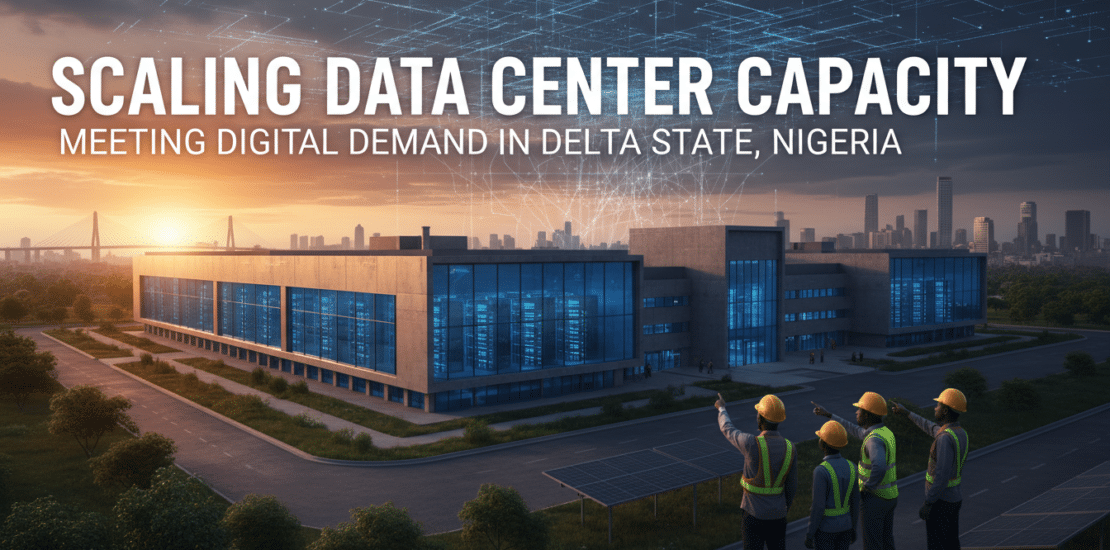
Scaling Data Center Capacity to Meet the Surging Digital Demand in Delta State, Nigeria
Delta State, Nigeria, with its burgeoning population, growing economy, and increasing technological adoption, is experiencing a significant surge in digital demand. This demand spans across various sectors, including finance, education, healthcare, entertainment, and government services, all of which rely heavily on robust and reliable data infrastructure. Consequently, the need to scale data center capacity within the state is becoming increasingly critical to support this digital transformation, foster innovation, and ensure the sustained economic growth of Delta State. This article will explore the current digital landscape of Delta State, analyze the key drivers fueling the demand for data center capacity, examine the existing infrastructure limitations, and propose strategies for effectively scaling data center capabilities to meet these demands.
I. The Current Digital Landscape of Delta State:
Understanding the current digital landscape is crucial for identifying the specific needs and challenges related to data center scaling. Delta State, like many parts of Nigeria, is witnessing a rapid increase in internet penetration, driven by the affordability of smartphones and the expansion of mobile network coverage. This increased connectivity is fueling the adoption of various digital services, impacting both individuals and businesses.
- Mobile Penetration and Internet Usage: Delta State boasts a high mobile penetration rate, with a significant proportion of the population owning smartphones. This translates into a substantial number of internet users who are accessing a wide range of online services, including social media, e-commerce platforms, online banking, and streaming services. This constant demand for data is putting immense pressure on the existing network infrastructure and highlighting the need for localized data storage and processing capabilities.
- Adoption of E-commerce and Online Banking: The rise of e-commerce is transforming the retail landscape in Delta State, with more consumers opting to shop online. Local businesses are increasingly embracing e-commerce platforms to reach a wider customer base. Similarly, online banking is gaining popularity, offering convenient and accessible financial services to individuals and businesses alike. These online activities generate massive amounts of data that need to be securely stored, processed, and managed, further driving the demand for data center capacity.
- Growth of the Technology and Innovation Ecosystem: Delta State is actively promoting the development of its technology and innovation ecosystem. Initiatives aimed at supporting startups, fostering entrepreneurship, and promoting digital skills are gaining momentum. This growing ecosystem requires access to reliable and scalable data center infrastructure to support the development and deployment of innovative solutions.
- Government Digitalization Initiatives: The Delta State government is actively pursuing digitalization initiatives to improve efficiency and service delivery across various departments. These initiatives include the implementation of e-governance platforms, online portals for accessing government services, and the digitization of records. These efforts generate substantial amounts of data that require secure and reliable storage and processing within the state.
- Educational Sector’s Digital Transformation: Educational institutions in Delta State are increasingly adopting digital technologies to enhance learning and teaching. This includes the use of online learning platforms, digital libraries, and educational software. The shift towards digital learning environments is generating a significant demand for data storage and processing capabilities to support these online resources.
- Healthcare Sector’s Embrace of Technology: The healthcare sector is also embracing technology to improve patient care and operational efficiency. Electronic health records (EHRs), telemedicine services, and online appointment booking systems are becoming more prevalent. The need to store and manage sensitive patient data securely and efficiently is driving the demand for robust data center infrastructure.
II. Key Drivers Fueling the Demand for Data Center Capacity:
Several key drivers are fueling the escalating demand for data center capacity in Delta State. These drivers are interconnected and reinforce each other, making the need for strategic infrastructure development even more pressing.
- Increased Internet Penetration and Data Consumption: As mentioned earlier, the growing number of internet users and their increasing data consumption habits are major drivers of data center demand. Streaming video, online gaming, social media usage, and cloud-based applications all contribute to the massive amounts of data being generated and consumed within the state.
- Cloud Adoption by Businesses: Businesses in Delta State are increasingly adopting cloud computing services for various purposes, including data storage, application hosting, and software-as-a-service (SaaS) solutions. Cloud adoption allows businesses to reduce their IT infrastructure costs, improve scalability, and enhance agility. However, it also necessitates the availability of reliable data center infrastructure to support these cloud-based services.
- Growth of E-commerce and Digital Transactions: The burgeoning e-commerce sector and the increasing number of digital transactions are generating massive amounts of transactional data that require secure and reliable storage and processing. Data centers play a crucial role in supporting e-commerce platforms, processing online payments, and managing customer data.
- Big Data and Analytics: Organizations in Delta State are increasingly recognizing the value of data and are investing in big data analytics solutions to gain insights into customer behavior, market trends, and operational efficiency. Analyzing large datasets requires significant computing power and storage capacity, further driving the demand for data center resources.
- Regulatory Compliance and Data Sovereignty: Increasing awareness of data privacy and security concerns is driving the demand for data sovereignty, which refers to the requirement that data be stored and processed within a specific geographical region. Organizations in Delta State are increasingly seeking to store their data locally to comply with data protection regulations and ensure greater control over their data. This necessitates the development of local data center infrastructure.
- Digital Transformation of Government Services: As the Delta State government continues to digitalize its services, the demand for data center capacity will continue to grow. E-governance platforms, online portals, and digitized records require secure and reliable data storage and processing capabilities.
- Support for Emerging Technologies: The emergence of new technologies such as the Internet of Things (IoT), artificial intelligence (AI), and blockchain is expected to further accelerate the demand for data center capacity in Delta State. These technologies generate massive amounts of data and require significant computing power for processing and analysis.
III. Existing Infrastructure Limitations and Challenges:
Despite the growing demand, Delta State’s existing data center infrastructure faces several limitations and challenges that need to be addressed to effectively support the digital transformation.
- Limited Capacity and Availability: The number of data centers in Delta State is currently limited, and their capacity is often insufficient to meet the growing demand. This can lead to bandwidth constraints, latency issues, and service disruptions.
- Inadequate Power Supply and Reliability: Unreliable power supply is a major challenge for data centers in Nigeria, including Delta State. Frequent power outages can disrupt operations and damage equipment, leading to significant financial losses. Data centers require a stable and reliable power supply to ensure uninterrupted service.
- Limited Connectivity and Bandwidth: Connectivity is another critical factor for data center operations. Limited bandwidth and unreliable network connectivity can hinder data transfer and communication, affecting the performance of applications and services.
- Lack of Skilled Personnel: The data center industry requires skilled personnel to manage and maintain complex infrastructure. However, there is a shortage of skilled data center professionals in Delta State, which can impact the quality of service and the efficiency of operations.
- Security Concerns: Data centers are vulnerable to cyberattacks and physical security threats. Inadequate security measures can compromise data confidentiality, integrity, and availability. Data centers require robust security protocols to protect sensitive information.
- High Cost of Infrastructure Development: Building and operating data centers require significant capital investment. The high cost of land, equipment, and energy can be a barrier to entry for potential data center operators.
- Lack of Government Support and Incentives: Government support and incentives can play a crucial role in promoting the development of data center infrastructure. However, the lack of adequate government policies and incentives can hinder investment and innovation in the data center sector.
IV. Strategies for Scaling Data Center Capacity:
To effectively address the growing digital demand in Delta State, a multi-faceted approach is required, focusing on strategic infrastructure development, policy interventions, and capacity building. Here are some key strategies for scaling data center capacity:
- Incentivize Private Sector Investment: The government should create an enabling environment to attract private sector investment in data center infrastructure. This can be achieved through tax incentives, subsidies, and streamlined regulatory processes. Public-private partnerships (PPPs) can also be explored to leverage private sector expertise and resources.
- Improve Power Supply and Reliability: Addressing the power supply challenges is crucial for ensuring the reliable operation of data centers. The government should invest in upgrading the power grid, promoting the use of renewable energy sources, and incentivizing the development of backup power systems. Data centers themselves should invest in redundant power systems, including generators and uninterruptible power supplies (UPS).
- Enhance Connectivity and Bandwidth: Improving connectivity and bandwidth is essential for supporting data-intensive applications and services. The government should invest in expanding fiber optic networks and promoting competition among internet service providers (ISPs). Data centers should establish partnerships with multiple ISPs to ensure redundancy and high availability.
- Promote Local Content and Skills Development: To address the shortage of skilled personnel, the government should invest in training and education programs to develop local talent in data center management and maintenance. Promoting local content in data center construction and operations can also create jobs and stimulate economic growth.
- Strengthen Security Measures: Data centers must implement robust security measures to protect against cyberattacks and physical security threats. This includes firewalls, intrusion detection systems, access control systems, and surveillance cameras. Regular security audits and penetration testing should be conducted to identify and address vulnerabilities. Data centers should adhere to industry best practices and security standards, such as ISO 27001.
- Establish Data Sovereignty Regulations: To promote data security and privacy, the government should establish clear data sovereignty regulations that require organizations to store and process sensitive data within the state. This will encourage the development of local data center infrastructure and ensure greater control over data.
- Promote Green Data Center Practices: Data centers consume significant amounts of energy, contributing to carbon emissions and environmental impact. The government should promote the adoption of green data center practices, such as using energy-efficient equipment, utilizing renewable energy sources, and implementing cooling optimization techniques.
- Facilitate Access to Land and Resources: The government should facilitate access to land and resources for data center development by streamlining land acquisition processes and providing access to water and other essential resources.
- Develop a National Data Center Strategy: The Nigerian federal government and the Delta State government should collaborate to develop a comprehensive national data center strategy that outlines the vision, goals, and objectives for data center development in the country. This strategy should address issues such as infrastructure development, regulatory compliance, and skills development.
- Encourage Edge Computing: Edge computing, which involves processing data closer to the source, can reduce latency and bandwidth consumption. The government should encourage the development of edge data centers in strategic locations throughout Delta State to support applications that require real-time processing.
- Support Research and Development: Investing in research and development can drive innovation in the data center sector. The government should support research initiatives focused on developing new technologies and solutions for improving data center efficiency, security, and sustainability.
- Foster Collaboration and Knowledge Sharing: Promoting collaboration and knowledge sharing among data center operators, technology providers, and researchers can accelerate the development of the data center ecosystem in Delta State. The government can facilitate industry forums, conferences, and workshops to foster collaboration and knowledge sharing.
By implementing these strategies, Delta State can effectively scale its data center capacity to meet the surging digital demand, support its economic growth, and ensure the success of its digital transformation initiatives. The development of a robust and reliable data center infrastructure is essential for positioning Delta State as a leading technology hub in Nigeria.
Related Posts
 The Case for Building a Gas-Powered Data Center in Delta State
 Why data center operators should leverage Delta State gas powered energy grids
 How Nigeria is positioning itself as the data center capital of West Africa
 The rising demand for world class data centers in the Nigerian capital
 Scaling oil palm production for export through Delta State maritime corridors
 The Gateway to the Niger Delta Why Delta State Should Be Your First Stop
 The Role of Private Capital in Expanding Delta Stateʼs Urban Renewal Projects
 The Unique Advantage of Delta Stateʼs Peaceful and Welcoming Communities