
The Gateway to the Niger Delta Why Delta State Should Be Your First Stop
- Posted by: PSL
- Categories: BRICS News, Financial Management, Human Resources and Talent Management, International Business and Market Entry, Marketing and Sales, News Blog, Operations and Process Improvement, Organizational Development, Risk Management and Compliance, Strategy and Planning, Technology and Digital Transformation
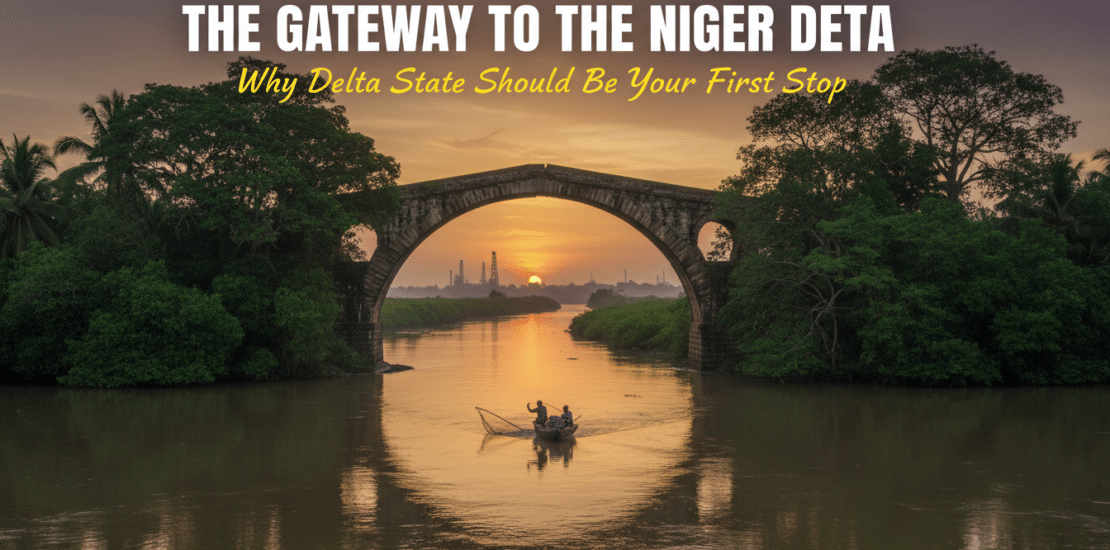
The Gateway to the Niger Delta: Why Delta State Should Be Your First Stop
Delta State, a vibrant tapestry woven from diverse cultures, thriving industries, and breathtaking landscapes, rightfully earns its moniker as the "Gateway to the Niger Delta." More than just a geographical entry point, it’s a microcosm of the region, offering a compelling blend of experiences that makes it the ideal starting point for exploring the Niger Delta’s complexities and treasures. From the bustling energy of its urban centers to the tranquil beauty of its riverine communities, Delta State presents a multifaceted perspective that allows visitors to understand and appreciate the rich, often misunderstood, landscape that lies beyond. This isn’t just a stopover; it’s an immersion into the heart and soul of the Niger Delta.
A Kaleidoscope of Cultures and Traditions:
Delta State boasts a rich cultural heritage, shaped by its diverse ethnic composition. The dominant groups, including the Urhobo, Itsekiri, Ijaw, Igbo, and Anioma, each contribute distinct traditions, languages, and art forms, creating a vibrant cultural mosaic. Unlike some other regions within the Niger Delta where one ethnic group might be more dominant, Delta State showcases a more balanced representation, providing a unique opportunity to witness intermingling and mutual influence.
-
Urhobo Resilience and Artistry: The Urhobo people, known for their industrious spirit and deep connection to the land, have a rich tradition of farming and craftsmanship. Explore their vibrant festivals, characterized by colorful costumes, energetic dances, and powerful displays of Urhobo identity. Their intricate wood carvings, often depicting scenes from daily life and mythology, are a testament to their artistic talent. Visiting the Urhobo Cultural Center in Okpara Inland offers a comprehensive insight into their history, customs, and social structures.
-
Itsekiri Majesty and Maritime Heritage: The Itsekiri kingdom, with its centuries-old history of trade and interaction with European powers, exudes a regal aura. Their language, culture, and even their traditional attire reflect a blend of African and European influences. A visit to the Olu’s Palace in Warri, the traditional seat of the Itsekiri monarchy, provides a glimpse into their sophisticated governance and rich history. The Itsekiri people’s strong connection to the sea is evident in their boat regattas and fishing traditions.
-
Ijaw Adaptability and Riverine Wisdom: The Ijaw people, deeply rooted in the Niger Delta’s waterways, have developed an intimate understanding of the region’s intricate ecosystems. Their traditional villages, often built on stilts along the rivers, showcase their ingenuity and resilience in adapting to the challenging environment. Exploring Ijaw communities offers a chance to witness their unique fishing techniques, boat-building skills, and deep-seated knowledge of the Delta’s flora and fauna. The annual Ijaw fishing festival is a spectacle of vibrant colors, traditional music, and competitive spirit.
-
Igbo Influence and Entrepreneurial Spirit: The Igbo presence in Delta State, particularly in the Anioma region, adds another layer of cultural complexity. Their renowned entrepreneurial spirit has contributed significantly to the state’s economic growth. Explore the bustling markets of Asaba and Agbor, where you can find a wide range of goods, from traditional crafts to modern electronics. The Igbo cultural heritage, with its emphasis on family, community, and hard work, is evident in the Anioma region’s social fabric.
- Anioma Harmony and Agricultural Prowess: The Anioma region, primarily inhabited by Igbo-speaking people, represents a unique cultural blend influenced by both Igbo and Delta traditions. Known for their agricultural prowess, the Anioma people cultivate a variety of crops, contributing significantly to the state’s food security. Their peaceful and harmonious coexistence with other ethnic groups is a testament to the spirit of inclusivity that characterizes Delta State.
By experiencing these diverse cultures firsthand, visitors gain a deeper appreciation for the Niger Delta’s complex social landscape and the resilience of its people. Delta State acts as a melting pot, allowing travelers to sample the distinct flavors of each ethnic group before venturing further into the region.
A Land of Contrasts: Urban Hustle and Riverine Serenity:
Delta State is characterized by striking contrasts between its bustling urban centers and its tranquil riverine communities. This juxtaposition provides a unique opportunity to experience the diverse facets of life in the Niger Delta.
-
Warri: The Industrial Heartbeat: Warri, the state’s industrial hub, pulsates with energy. This vibrant city is a center for oil and gas activities, attracting a diverse population of workers, entrepreneurs, and artists. The city’s bustling markets, lively nightlife, and cosmopolitan atmosphere offer a taste of modern Nigerian life. While it may not be the most aesthetically pleasing, Warri’s raw energy and entrepreneurial spirit are undeniable.
-
Asaba: The Seat of Power and Emerging Metropolis: Asaba, the state capital, is undergoing rapid development, transforming into a modern metropolis. Its strategic location on the banks of the Niger River makes it a vital transportation hub. Explore the city’s growing infrastructure, including modern hotels, shopping malls, and government buildings. Asaba’s relatively relaxed atmosphere compared to Warri makes it a pleasant place to explore.
- Riverine Communities: A World Apart: Venture beyond the urban centers, and you’ll discover a different world altogether. The riverine communities of Delta State, nestled along the waterways of the Niger Delta, offer a glimpse into a traditional way of life that is deeply connected to the environment. These communities, often accessible only by boat, are characterized by their unique architecture, fishing traditions, and close-knit social structures. Experiencing the tranquility of these communities is a stark contrast to the hustle and bustle of the urban centers, providing a balanced perspective on life in the Niger Delta.
Delta State allows visitors to navigate these contrasting environments with ease. The accessibility of both urban centers and riverine communities makes it the perfect starting point for understanding the diverse realities of life in the Niger Delta. From the boardrooms of Warri’s oil companies to the fishing nets of the Ijaw communities, Delta State offers a comprehensive picture of the region’s economic and social landscape.
A Gateway to Understanding the Niger Delta’s Challenges and Opportunities:
The Niger Delta is often portrayed through a lens of conflict, environmental degradation, and economic disparity. While these issues are undeniable realities, they don’t tell the whole story. Delta State provides a nuanced perspective, showcasing the region’s challenges while also highlighting its immense potential.
-
Oil and Gas: A Blessing and a Curse: Delta State is at the heart of Nigeria’s oil and gas industry, which has brought both economic benefits and environmental challenges. While the industry has generated significant revenue for the state and the country, it has also been linked to pollution, land degradation, and social unrest. Visiting oil-producing communities in Delta State offers a firsthand understanding of the complex relationship between oil and gas extraction and the well-being of the local population.
-
Environmental Concerns: A Call to Action: The Niger Delta’s delicate ecosystem is under threat from oil spills, deforestation, and pollution. Delta State is at the forefront of efforts to address these environmental concerns. Witnessing the impact of environmental degradation firsthand can inspire a greater appreciation for the need for sustainable development and responsible resource management.
-
Socio-Economic Disparities: Bridging the Gap: Despite its abundant natural resources, the Niger Delta faces significant socio-economic disparities. Delta State is working to address these inequalities through various initiatives, including education programs, infrastructure development, and job creation schemes. Exploring these initiatives offers a glimpse into the efforts to bridge the gap between the haves and have-nots in the region.
- Opportunities for Growth and Development: Beyond the challenges, Delta State also presents significant opportunities for growth and development. The state’s strategic location, abundant natural resources, and skilled workforce make it an attractive destination for investment. Exploring the state’s burgeoning tourism industry, its growing agricultural sector, and its entrepreneurial ecosystem reveals the potential for a brighter future.
Delta State offers a balanced perspective on the Niger Delta’s complex realities. It doesn’t shy away from the challenges but also highlights the opportunities for progress and development. By engaging with local communities, visiting industrial sites, and exploring environmental initiatives, visitors can gain a deeper understanding of the issues facing the region and the efforts being made to create a more sustainable and equitable future.
A Tourist’s Paradise: Discovering the Hidden Gems:
Beyond its cultural significance and economic importance, Delta State is also a hidden gem for tourists seeking authentic and off-the-beaten-path experiences. From its pristine beaches to its lush rainforests, the state offers a diverse range of attractions that cater to various interests.
-
The Source of the Niger River: A landmark that should be the bucket-list of any traveler visiting Delta State is the source of the great River Niger in Ndokwa West Local Government Area of Delta State.
-
Beaches and Waterways: Coastal Delights: Delta State boasts a coastline along the Atlantic Ocean, offering pristine beaches and scenic waterways. Explore the beaches of Escravos, where you can relax on the sandy shores, swim in the ocean, and enjoy the refreshing sea breeze. Take a boat trip through the Delta’s intricate network of rivers and creeks, discovering hidden villages and abundant wildlife.
-
Otuogu Beach: Located in Otuogu Community, in Ughelli South, the beach is located along the bank of River Forcados. It offers a unique, natural and tranquil environment for relaxation, picnicking, fishing, swimming and boating. It is covered with a stretch of clean, fine white sand offering an invigorating walk around the beach.
-
Wildlife and Nature Reserves: Embracing Biodiversity: Delta State is home to a rich array of flora and fauna. Explore the state’s wildlife reserves, where you can spot various species of birds, monkeys, and other animals. The state’s rainforests are also teeming with plant life, offering a glimpse into the region’s biodiversity.
-
Cultural Sites and Historical Landmarks: Unveiling the Past: Delta State is dotted with cultural sites and historical landmarks that offer a glimpse into the region’s past. Visit the Nana Living History Museum in Koko, which showcases the life and times of Chief Nana Olomu, a prominent Itsekiri chief who resisted British colonialism. Explore the ruins of ancient kingdoms and trading posts, uncovering the stories of the people who shaped the region’s history.
- Festivals and Events: Celebrating Culture: Delta State is known for its vibrant festivals and events, which offer a unique opportunity to experience the region’s culture firsthand. Attend the Warri Kingdom Festival, a colorful celebration of Itsekiri heritage, or the Ijaw fishing festival, a spectacle of traditional music, dance, and competitive spirit.
Delta State offers a range of accommodation options, from budget-friendly guesthouses to luxurious hotels. The state’s cuisine is also a culinary delight, with a variety of local dishes that reflect the region’s diverse cultures. From the spicy pepper soup to the delicious banga soup, Delta State offers a gastronomic adventure that will tantalize your taste buds.
Accessibility and Infrastructure: Paving the Way for Exploration:
Delta State is relatively accessible compared to some other parts of the Niger Delta, making it a convenient entry point for exploring the region. The state has an international airport in Asaba, which connects it to other major cities in Nigeria and beyond. The state also has a well-developed road network, making it easy to travel between different cities and towns.
While infrastructure challenges remain, Delta State is continuously working to improve its roads, bridges, and other essential facilities. The state government is also investing in tourism infrastructure, including hotels, resorts, and cultural centers, to attract more visitors.
Delta State, with its diverse cultures, contrasting landscapes, and rich history, offers a compelling introduction to the Niger Delta. It’s a place where you can experience the region’s vibrancy, understand its challenges, and appreciate its potential. Make Delta State your first stop on your journey to the Niger Delta, and you’ll be rewarded with an unforgettable experience that will leave you with a deeper appreciation for this fascinating and often misunderstood region. From the moment you arrive, you’ll be immersed in a world of culture, history, and natural beauty that will captivate your senses and broaden your perspective. The Gateway to the Niger Delta is waiting to be explored.
Related Posts
 How Delta State is De-Risking Infrastructure Investment for Private Partners
 How Delta State infrastructure upgrades are de-risking foreign direct investment
 Why data center operators should leverage Delta State gas powered energy grids
 Why Delta Stateʼs Workforce is the Regionʼs Most Investment-Ready Asset
 PharmSource insights on navigating the Delta State investment landscape safely
 Why Delta State represents the next frontier for Nigerian gas to power investments
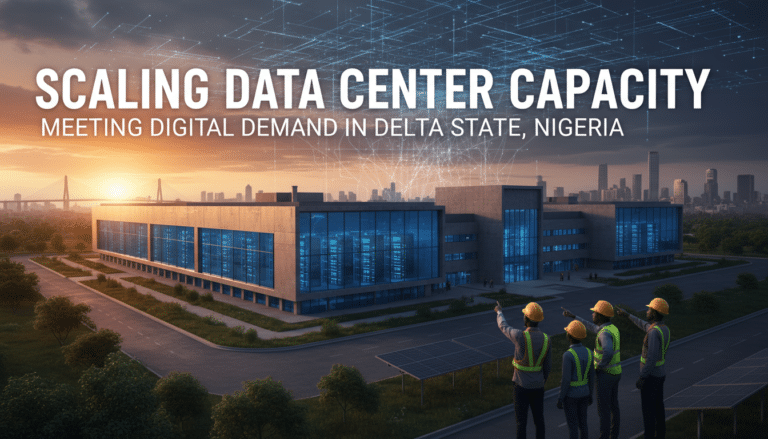 Scaling data center capacity to meet the surging digital demand in Delta state Nigeria
 The Case for Building a Gas-Powered Data Center in Delta State