

The Case for Building a Gas-Powered Data Center in Delta State
- Posted by: PSL
- Categories: BRICS News, Financial Management, Human Resources and Talent Management, International Business and Market Entry, Marketing and Sales, News Blog, Operations and Process Improvement, Organizational Development, Risk Management and Compliance, Strategy and Planning, Technology and Digital Transformation
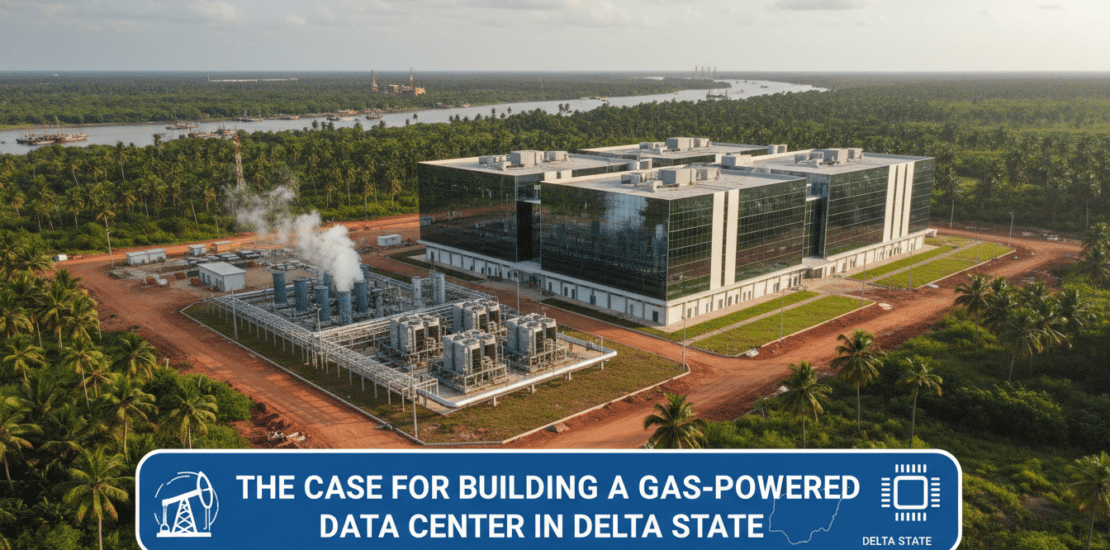
The Case for Building a Gas-Powered Data Center in Delta State
Delta State, Nigeria, blessed with significant natural gas reserves, presents a compelling, yet often overlooked, location for a gas-powered data center. In a world increasingly reliant on data and digital infrastructure, and facing mounting pressure for sustainable energy solutions, the convergence of Delta State‘s resource abundance with innovative power generation technologies offers a unique opportunity to establish a cost-effective, reliable, and potentially environmentally responsible data center hub. This article will delve into the myriad reasons why investing in a gas-powered data center in Delta State is not just feasible, but strategically advantageous for various stakeholders, including the local community, the Nigerian government, and international tech companies.
Addressing Nigeria’s Infrastructure Deficit and Power Poverty:
Nigeria, despite its immense potential, suffers from chronic infrastructural deficits, particularly in the power sector. Frequent grid outages, unreliable electricity supply, and high energy costs hinder economic growth and impede digital development. Businesses, including small and medium enterprises (SMEs) and large corporations, bear the brunt of this unreliable power supply, often relying on expensive and environmentally damaging diesel generators to maintain operations.
A gas-powered data center in Delta State directly addresses this challenge. By utilizing locally sourced natural gas to generate electricity on-site, the data center can bypass the unreliable national grid, guaranteeing a stable and consistent power supply crucial for continuous data processing and storage. This reliability translates to improved performance for businesses and individuals reliant on the data center’s services, fostering digital innovation and driving economic growth.
Moreover, the data center can be designed to operate in a Combined Heat and Power (CHP) configuration, utilizing waste heat generated during power production for other beneficial purposes. This could include district heating for nearby communities, powering industrial processes, or even feeding into the local electricity grid, further alleviating power poverty in the region and contributing to a more robust and resilient energy infrastructure.
Leveraging Delta State’s Natural Gas Abundance and Government Support:
Delta State boasts significant proven reserves of natural gas, making it a logical location for gas-powered electricity generation. This abundance translates into readily available fuel, reduced transportation costs, and increased energy security. Unlike relying on imported fossil fuels, a gas-powered data center in Delta State can tap into a readily available local resource, minimizing vulnerability to global energy market fluctuations and supporting local resource utilization.
Furthermore, the Delta State government has expressed a commitment to attracting investment and fostering economic diversification beyond the oil and gas sector. They have actively promoted initiatives aimed at improving the business environment, streamlining regulatory processes, and providing incentives for investors in strategic sectors, including technology and renewable energy. This proactive approach makes Delta State an attractive destination for data center development, offering a supportive regulatory framework and potential access to government-backed financing and incentives.
The Nigerian government’s focus on increasing electricity generation and promoting gas utilization further strengthens the case for a gas-powered data center. Policies aimed at reducing gas flaring and promoting gas-to-power projects are directly aligned with the principles of sustainable development and economic diversification, creating a favorable environment for investment in gas-based energy infrastructure.
Cost Competitiveness and Operational Efficiency:
While renewable energy sources are gaining traction, natural gas remains a competitive and reliable energy source for base-load power generation. In Delta State, the proximity of gas fields to potential data center sites translates into lower fuel transportation costs, a significant factor in the overall operational expenses.
Gas-powered data centers can achieve significant cost savings compared to traditional data centers reliant on grid electricity, particularly in regions with unreliable power supply and high energy tariffs. The on-site generation of electricity minimizes transmission losses and reduces reliance on diesel generators, resulting in lower operating costs and a more predictable energy expenditure.
Moreover, advancements in gas turbine technology have led to significant improvements in efficiency and reduced emissions. Modern gas turbines can achieve high levels of efficiency, minimizing fuel consumption and maximizing power output. This, coupled with effective waste heat recovery systems in CHP configurations, can further enhance the economic viability and environmental performance of the data center.
Environmental Considerations and Sustainable Development:
While gas-powered facilities are not entirely emission-free, they offer a significant improvement over diesel generators and can be designed to minimize their environmental impact. Modern gas turbines emit significantly less greenhouse gases and particulate matter compared to diesel engines. Furthermore, the use of natural gas reduces reliance on imported fossil fuels, lowering the carbon footprint associated with transportation and refining.
The implementation of carbon capture and storage (CCS) technologies can further reduce the environmental impact of gas-powered data centers. CCS involves capturing carbon dioxide emissions from power plants and storing them underground, preventing them from entering the atmosphere. While CCS technology is still relatively expensive, its potential to significantly reduce greenhouse gas emissions makes it a viable option for data centers seeking to minimize their environmental footprint.
Furthermore, a gas-powered data center in Delta State can contribute to sustainable development by creating local jobs, fostering technological innovation, and supporting economic diversification. The data center can employ local engineers, technicians, and support staff, providing valuable employment opportunities and contributing to the development of a skilled workforce.
Attracting International Investment and Fostering Technological Innovation:
The establishment of a gas-powered data center in Delta State can attract significant international investment in the technology and energy sectors. International tech companies are increasingly seeking data center locations with reliable power supply, low energy costs, and access to skilled labor. Delta State, with its abundant natural gas resources, supportive government policies, and strategic location, offers a compelling value proposition for international investors.
The data center can serve as a catalyst for technological innovation in the region, attracting expertise and fostering the development of new technologies and applications. The presence of a state-of-the-art data center can encourage the growth of local tech startups and attract skilled professionals to the area, creating a vibrant ecosystem of innovation and entrepreneurship.
Furthermore, the data center can serve as a training ground for local engineers and technicians, providing them with valuable experience in the operation and maintenance of advanced technology infrastructure. This can help to build a skilled workforce that can support the growth of the technology sector in Delta State and Nigeria as a whole.
Addressing Security Concerns and Ensuring Data Sovereignty:
Security is a paramount concern for data centers, particularly those handling sensitive information. A gas-powered data center in Delta State can be designed with robust security measures to protect against physical and cyber threats. The on-site generation of electricity reduces reliance on the national grid, minimizing the risk of power outages caused by grid failures or security breaches.
The data center can also be equipped with advanced security systems, including biometric access control, surveillance cameras, and intrusion detection systems. Furthermore, the data center can be designed to comply with international security standards, such as ISO 27001, ensuring that data is protected against unauthorized access and misuse.
Moreover, a data center located in Nigeria can contribute to data sovereignty, ensuring that data generated within the country is stored and processed locally. This can help to protect the privacy of Nigerian citizens and businesses, and to ensure that data is subject to Nigerian laws and regulations. The growing global emphasis on data sovereignty makes a local data center a strategic asset for Nigeria, allowing the country to control its own data and protect its digital interests.
Overcoming Challenges and Ensuring Project Success:
While the case for a gas-powered data center in Delta State is compelling, several challenges need to be addressed to ensure project success. These include securing financing, navigating regulatory hurdles, developing a skilled workforce, and addressing environmental concerns.
Securing financing for a large-scale data center project can be challenging, but several options are available, including government grants, private equity investment, and debt financing. The Nigerian government has established several funds and initiatives to support infrastructure development, and private equity firms are increasingly interested in investing in technology and energy projects in Africa.
Navigating regulatory hurdles can be complex, but the Delta State government has expressed a commitment to streamlining regulatory processes and providing support to investors. It is important to work closely with the government to ensure that all necessary permits and approvals are obtained in a timely manner.
Developing a skilled workforce requires investing in education and training programs. The data center can partner with local universities and technical colleges to provide training opportunities for students and professionals. Furthermore, the data center can offer apprenticeship programs to help develop a pipeline of skilled workers.
Addressing environmental concerns requires careful planning and implementation. The data center should be designed to minimize its environmental impact, and carbon capture and storage technologies should be considered. It is also important to engage with local communities to address any concerns they may have about the project.
By addressing these challenges proactively, stakeholders can increase the likelihood of a successful gas-powered data center project in Delta State, unlocking the region’s potential as a digital hub and contributing to Nigeria’s economic development.
The Case for Building a Gas-Powered Data Center in Delta State (Continued)
Building upon the foundational arguments already presented, this section will explore specific market opportunities, delve into technological considerations, and examine potential financing models to further solidify the case for a gas-powered data center in Delta State. We will analyze the growing demand for data storage and processing within Nigeria and West Africa, evaluate different gas turbine technologies and their suitability for the Delta State context, and explore innovative financing mechanisms that can attract both domestic and international investment.
Capitalizing on the Burgeoning Nigerian and West African Data Market:
The demand for data storage and processing is exploding across Africa, driven by increasing internet penetration, the proliferation of mobile devices, the growth of e-commerce, and the adoption of cloud computing services. Nigeria, as the most populous country in Africa and a major economic powerhouse, represents a particularly attractive market for data center services.
Businesses across various sectors, including financial services, telecommunications, retail, and healthcare, are generating vast amounts of data and require reliable and secure storage and processing capabilities. The government’s efforts to digitize public services and promote e-governance are also driving demand for data center infrastructure.
However, the existing data center capacity in Nigeria is insufficient to meet the growing demand. Many businesses still rely on data centers located outside of Nigeria, which can be expensive, slow, and subject to data sovereignty concerns. A gas-powered data center in Delta State can capitalize on this unmet demand by providing cost-effective, reliable, and secure data storage and processing services to businesses and government agencies in Nigeria and across West Africa.
The data center can offer a range of services, including colocation, managed hosting, cloud computing, and disaster recovery. By tailoring its services to meet the specific needs of different customers, the data center can attract a diverse client base and generate a steady stream of revenue. Furthermore, the data center can serve as a hub for innovation, attracting tech startups and fostering the development of new applications and services.
Evaluating Gas Turbine Technologies and Optimizing Power Generation:
The choice of gas turbine technology is crucial for the efficiency, reliability, and environmental performance of a gas-powered data center. Several types of gas turbines are available, each with its own advantages and disadvantages.
Aeroderivative Gas Turbines: These turbines are derived from aircraft engines and are known for their high efficiency, low emissions, and rapid start-up times. They are well-suited for applications requiring frequent starts and stops, such as peaking power plants.
Heavy-Duty Gas Turbines: These turbines are designed for continuous operation and are known for their durability and reliability. They are well-suited for base-load power generation applications, such as data centers that require a constant and reliable power supply.
Microturbines: These small-scale gas turbines are typically used for distributed generation applications, such as powering individual buildings or factories. They are known for their high efficiency and low emissions, but they are not typically used for large-scale data centers.
For a gas-powered data center in Delta State, heavy-duty gas turbines are likely the most suitable option due to their reliability, durability, and ability to provide a constant and stable power supply. However, aeroderivative gas turbines could also be considered for backup power generation or for applications requiring rapid start-up times.
In addition to selecting the appropriate gas turbine technology, it is important to optimize the power generation process to maximize efficiency and minimize emissions. This can be achieved through the use of advanced control systems, waste heat recovery systems, and efficient cooling technologies.
Exploring Innovative Financing Models and Attracting Investment:
Securing financing for a large-scale data center project requires a well-structured financing plan that attracts both domestic and international investment. Several financing models can be considered, including:
Public-Private Partnerships (PPPs): PPPs involve collaboration between the government and private sector to develop and operate infrastructure projects. The government can provide land, infrastructure, and financial support, while the private sector provides expertise, technology, and capital.
Project Finance: Project finance involves financing a specific project based on its projected cash flows. Lenders typically require a thorough due diligence process to assess the project’s viability and risk profile.
Equity Financing: Equity financing involves raising capital by selling ownership shares in the data center company. This can be a good option for attracting long-term investors who are willing to share in the project’s risks and rewards.
Debt Financing: Debt financing involves borrowing money from banks or other financial institutions. This can be a good option for projects with stable and predictable cash flows.
In addition to these traditional financing models, innovative financing mechanisms such as green bonds and impact investing can also be considered. Green bonds are bonds that are specifically used to finance environmentally friendly projects. Impact investing involves investing in projects that generate both financial returns and positive social and environmental impact.
By combining different financing models and targeting a diverse range of investors, the data center project can secure the necessary capital to move forward. It is also important to develop a strong business plan that demonstrates the project’s economic viability and social benefits.
Addressing Environmental and Social Concerns:
Building a gas-powered data center in Delta State requires careful consideration of environmental and social concerns. The project should be designed to minimize its environmental impact and to benefit the local community.
Environmental concerns include air pollution, water pollution, and land degradation. The data center should be equipped with state-of-the-art emission control technologies to minimize air pollution. Water usage should be minimized through the use of efficient cooling technologies. Land degradation should be avoided through careful site selection and construction practices.
Social concerns include job creation, community development, and cultural preservation. The data center should prioritize hiring local workers and providing training opportunities. The project should also contribute to community development through investments in education, healthcare, and infrastructure. Cultural preservation should be respected through careful consultation with local communities.
By addressing environmental and social concerns proactively, the data center project can build strong relationships with the local community and ensure its long-term sustainability.
Ensuring Cybersecurity and Data Protection:
Cybersecurity is a critical concern for data centers, as they are often targeted by hackers and cybercriminals. The data center in Delta State must implement robust cybersecurity measures to protect against data breaches and cyberattacks.
These measures should include:
- Firewalls and intrusion detection systems: These technologies can prevent unauthorized access to the data center’s network.
- Data encryption: Data should be encrypted both in transit and at rest to protect it from unauthorized access.
- Access control: Access to the data center should be restricted to authorized personnel.
- Regular security audits: Security audits should be conducted regularly to identify and address vulnerabilities.
- Incident response plan: The data center should have a plan in place to respond to security incidents.
In addition to cybersecurity, data protection is also a critical concern. The data center must comply with all applicable data protection laws and regulations, such as the Nigerian Data Protection Regulation (NDPR).
These laws and regulations require data controllers to implement appropriate technical and organizational measures to protect personal data from unauthorized access, use, or disclosure.
By implementing robust cybersecurity and data protection measures, the data center can build trust with its customers and ensure the security and privacy of their data.
Building a Sustainable Data Center Ecosystem:
The success of a gas-powered data center in Delta State depends on building a sustainable data center ecosystem that supports the growth of the digital economy in Nigeria and West Africa. This ecosystem should include:
- Reliable power supply: The data center must have a reliable and affordable power supply.
- High-speed internet connectivity: The data center must have high-speed internet connectivity to connect to the rest of the world.
- Skilled workforce: The data center must have access to a skilled workforce to operate and maintain its facilities.
- Supportive government policies: The government must implement supportive policies to encourage the growth of the data center industry.
- Thriving technology ecosystem: The data center must be part of a thriving technology ecosystem that includes tech startups, software developers, and other technology companies.
By building a sustainable data center ecosystem, Delta State can become a leading hub for data storage and processing in West Africa, attracting investment, creating jobs, and driving economic growth.
Related Posts
 Why data center operators should leverage Delta State gas powered energy grids
 Scaling data center capacity to meet the surging digital demand in Delta state Nigeria
 Building World-Class Healthcare Facilities Through Delta State PPPs
 Delta Stateʼs Gas Reserves A Foundation for New Age Industries
 The case for establishing independent power plants near Delta gas reserves
 Building the future of cold chain logistics for Delta State perishables
 Why Delta State represents the next frontier for Nigerian gas to power investments
 How the Delta State coastline provides a strategic edge for oil and gas exporters