

Why the Enyimba Economic City represents the future of SME scale manufacturing
- Posted by: PSL
- Categories: BRICS News, Financial Management, Human Resources and Talent Management, International Business and Market Entry, Marketing and Sales, News Blog, Operations and Process Improvement, Organizational Development, Risk Management and Compliance, Strategy and Planning, Technology and Digital Transformation

Why the Enyimba Economic City Represents the Future of SME-Scale Manufacturing: A Catalyst for Growth
The Enyimba Economic City (EEC), a visionary project spearheaded by the Abia State Government in collaboration with private investors, isn’t just another industrial park; it’s a potential paradigm shift in Nigeria‘s manufacturing landscape. Positioned strategically in the South-Eastern heartland, the EEC is designed to foster a vibrant ecosystem where Small and Medium-sized Enterprises (SMEs) can thrive and scale their manufacturing operations, contributing significantly to the nation’s economic diversification and job creation. The success of this ambitious project rests on a carefully constructed foundation of infrastructure, strategic partnerships, access to finance, skilled labor, and a business-friendly regulatory environment, all tailored to the specific needs and challenges faced by Nigerian SMEs. The EEC, therefore, represents a compelling vision for the future of SME-scale manufacturing, offering a blueprint that, if replicated effectively, could revolutionize industrial development across the country.
One of the most significant reasons why the EEC embodies the future of SME manufacturing lies in its comprehensive and state-of-the-art infrastructure. Traditional manufacturing hubs in Nigeria often suffer from unreliable power supply, inadequate transportation networks, and inconsistent water provision. These infrastructural deficits significantly increase operational costs for SMEs, hindering their ability to compete effectively both domestically and internationally. The EEC directly addresses these shortcomings by incorporating a dedicated power plant, ensuring a stable and reliable electricity supply crucial for continuous manufacturing processes. This dedicated power source dramatically reduces reliance on expensive and polluting generators, freeing up financial resources for SMEs to invest in production capacity and technology upgrades.
Beyond power, the EEC’s infrastructural plan encompasses a well-developed road network, facilitating the efficient movement of raw materials, finished goods, and personnel within the city and connecting it to major markets across Nigeria and the wider West African region. The internal road network is designed to accommodate heavy-duty vehicles, ensuring smooth logistics operations. Furthermore, the EEC is strategically located near existing railway lines and is intended to integrate with future rail expansion plans, providing cost-effective and efficient transportation options for bulk goods. This multi-modal transportation infrastructure significantly reduces logistics costs, a major barrier to entry for many SMEs.
Water is another critical resource for manufacturing, and the EEC addresses this through a dedicated water treatment plant, ensuring a consistent supply of clean and potable water for industrial processes and sanitation. This eliminates the need for individual SMEs to invest in their own water treatment systems, further reducing overhead costs and streamlining operations. The EEC also incorporates a robust waste management system, adhering to environmental best practices and promoting sustainable manufacturing. This includes waste segregation, recycling initiatives, and proper disposal of industrial waste, minimizing environmental impact and promoting a clean and healthy working environment. This commitment to environmental sustainability is not only ethically responsible but also increasingly important for accessing international markets and attracting environmentally conscious investors.
The EEC’s infrastructure is not merely functional; it is designed to be modern and efficient, incorporating smart city technologies to optimize resource utilization and enhance overall operational efficiency. This includes intelligent lighting systems, smart grids, and advanced security systems, creating a safe and conducive environment for businesses to thrive. The planned integration of digital infrastructure, such as high-speed internet connectivity and data centers, will further enhance the EEC’s attractiveness to tech-enabled SMEs and facilitate the adoption of advanced manufacturing technologies. This commitment to cutting-edge infrastructure is a key differentiator for the EEC, positioning it as a modern and competitive manufacturing hub capable of attracting both domestic and foreign investment.
Another critical pillar of the EEC’s success is its focus on strategic partnerships and collaborative ecosystems. The EEC is not envisioned as an isolated industrial park but as an integrated ecosystem where businesses can benefit from synergies, knowledge sharing, and access to specialized services. The project is built on a public-private partnership model, bringing together the expertise and resources of the Abia State Government, private investors, and international development agencies. This collaborative approach ensures that the EEC is aligned with national development priorities and benefits from the best practices in industrial development.
The EEC actively seeks to attract anchor tenants – large multinational corporations – who can serve as catalysts for growth and attract smaller suppliers and service providers. These anchor tenants provide a ready market for SME products and services, creating a stable demand base and facilitating the integration of SMEs into global value chains. Furthermore, the EEC aims to foster collaboration between SMEs themselves, encouraging them to form consortia and joint ventures to undertake larger projects and compete more effectively.
Recognizing the importance of innovation, the EEC plans to establish a dedicated innovation hub, providing a platform for research and development, technology transfer, and the incubation of new businesses. This hub will serve as a bridge between academia, industry, and government, fostering a culture of innovation and promoting the development of new products and processes. The EEC will also facilitate access to specialized services, such as legal, accounting, marketing, and technical support, helping SMEs overcome common challenges and improve their competitiveness.
The EEC is designed to be a cluster-based ecosystem, focusing on specific sectors such as textiles and garments, leather products, plastics, pharmaceuticals, and food processing. This sector-specific approach allows the EEC to tailor infrastructure, services, and training programs to the specific needs of each industry, creating a more efficient and competitive environment. By fostering a cluster-based approach, the EEC can leverage economies of scale, attract specialized expertise, and promote collaboration among businesses within the same sector. This strategic focus on sector-specific development further enhances the EEC’s attractiveness to SMEs seeking to scale their operations within a supportive and collaborative environment.
Access to finance is a persistent challenge for SMEs in Nigeria, often hindering their ability to invest in new equipment, expand production capacity, and access new markets. The EEC recognizes this challenge and actively seeks to address it through a range of innovative financing mechanisms. The project has secured commitments from international development finance institutions to provide concessional loans and grants to SMEs operating within the city. These financing options offer more favorable terms than traditional commercial loans, making it easier for SMEs to access the capital they need to grow.
The EEC also plans to establish a dedicated SME fund, providing equity and debt financing to promising businesses within the city. This fund will be managed by experienced investment professionals who understand the unique challenges and opportunities facing SMEs in Nigeria. Furthermore, the EEC will work with commercial banks to facilitate access to traditional banking services, such as loans, overdrafts, and trade finance.
Beyond traditional financing options, the EEC will also explore alternative financing mechanisms, such as crowdfunding and angel investing, to provide SMEs with a wider range of funding options. The EEC will also facilitate access to financial literacy training and business development services, helping SMEs improve their financial management skills and become more attractive to investors. This holistic approach to financing aims to create a more enabling environment for SMEs to access the capital they need to thrive and contribute to the growth of the EEC. The EEC aims to work with guarantee schemes to encourage the banks to lend to SME’s which will also de-risk and support the SMEs
The availability of a skilled workforce is another crucial ingredient for the success of SME manufacturing. The EEC recognizes the importance of workforce development and actively invests in training programs to equip local residents with the skills needed to meet the demands of the manufacturing sector. The EEC partners with vocational training institutions and technical colleges to offer customized training programs that are tailored to the specific needs of the industries located within the city. These training programs cover a wide range of skills, including technical skills, manufacturing skills, and business management skills.
The EEC also encourages apprenticeship programs, providing opportunities for young people to gain practical experience in the manufacturing sector. These apprenticeship programs are designed to bridge the gap between classroom learning and real-world application, ensuring that graduates are well-prepared for the workforce. Furthermore, the EEC facilitates the transfer of knowledge and technology from foreign investors to local workers, promoting the development of a skilled and competitive workforce. The EEC aims to work with the local polytechnic to tailor curriculums to meet the manufacturing needs.
The EEC also invests in continuous professional development programs, providing opportunities for workers to upgrade their skills and stay abreast of the latest technological advancements. This ensures that the workforce remains relevant and competitive in the ever-changing manufacturing landscape. The EEC’s commitment to workforce development not only benefits the businesses operating within the city but also contributes to the overall economic development of the region by creating employment opportunities and improving the skills and livelihoods of local residents. The EEC aims to have shared facilities to improve efficiencies.
Finally, a business-friendly regulatory environment is essential for attracting and retaining SMEs. The EEC aims to create a streamlined and transparent regulatory framework that minimizes bureaucratic hurdles and promotes ease of doing business. The EEC operates as a special economic zone, offering tax incentives, customs exemptions, and other benefits to businesses operating within the city. These incentives are designed to reduce operational costs and make the EEC a more attractive location for investment.
The EEC also operates a one-stop shop for business registration and licensing, simplifying the process of starting and operating a business. This one-stop shop provides a single point of contact for businesses to obtain all the necessary permits and licenses, reducing the time and cost associated with regulatory compliance. Furthermore, the EEC promotes transparency and accountability in its regulatory processes, ensuring that businesses are treated fairly and equitably. The EEC’s commitment to a business-friendly regulatory environment is a key differentiator, making it a more attractive location for SMEs to invest and grow their businesses. This is supported by a dedicated support services team to provide aftercare support for SMEs.
The Enyimba Economic City represents a bold and innovative approach to SME-scale manufacturing in Nigeria. By addressing the key challenges faced by SMEs – infrastructure deficits, lack of access to finance, shortage of skilled labor, and a cumbersome regulatory environment – the EEC offers a compelling vision for the future of industrial development in the country. If successful, the EEC could serve as a model for other economic zones across Nigeria, unlocking the potential of the SME sector and driving economic growth and job creation. The EEC’s commitment to sustainability, innovation, and collaboration further enhances its long-term viability and positions it as a key player in Nigeria’s economic transformation. It’s important to note that continuous monitoring, evaluation, and adaptation are necessary to ensure that the EEC achieves its ambitious goals and delivers on its promise to revolutionize SME-scale manufacturing in Nigeria.
Related Posts
 Why the Nigerian pharmaceutical sector is ripe for local manufacturing investment
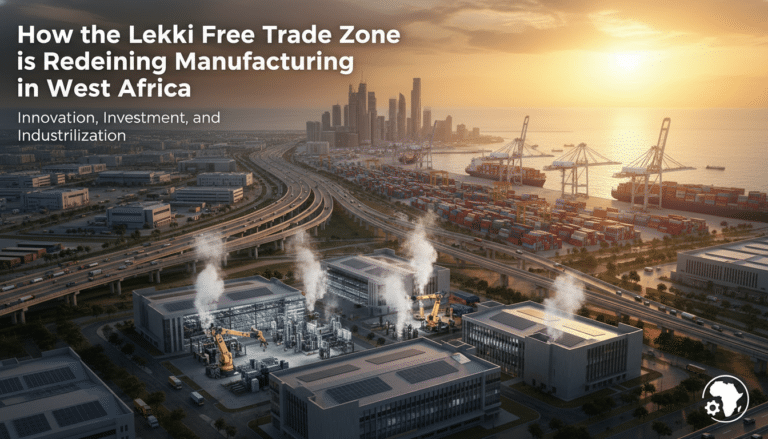 How the Lekki Free Trade Zone is redefining manufacturing in West Africa
 How the Aba industrial cluster is leading the Made in Nigeria manufacturing movement
 Investing in the commercial trade networks of the Anambra economic basin
 The rise of private equity interest in the Anambra manufacturing sector
 How the Onitsha industrial cluster is driving homegrown manufacturing excellence
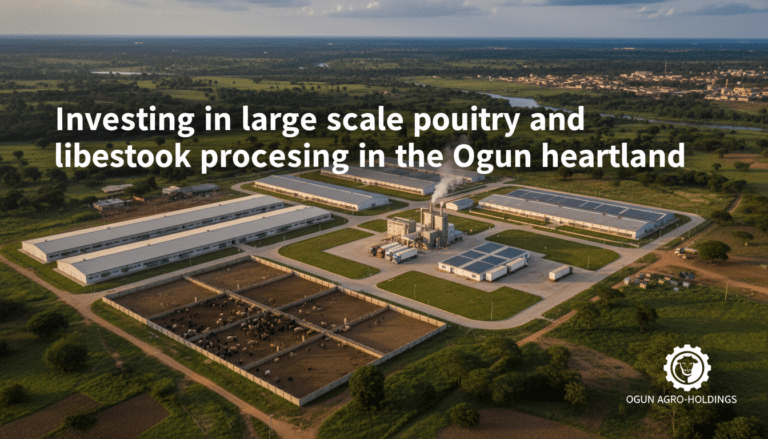 Investing in large scale poultry and livestock processing in the Ogun heartland
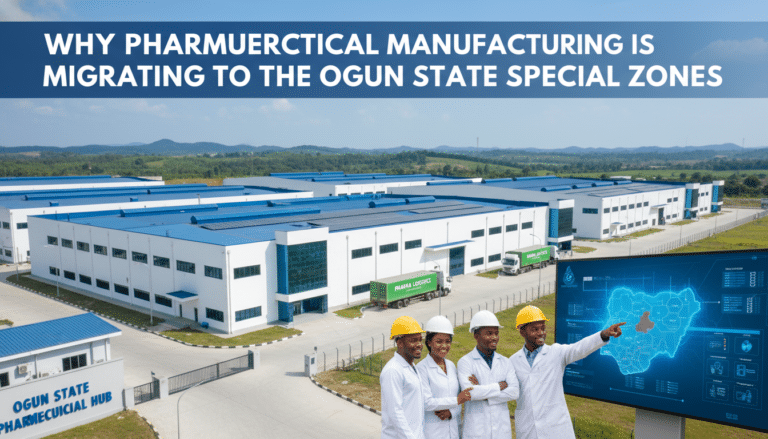 Why pharmaceutical manufacturing is migrating to the Ogun State special zones