

How the Aba industrial cluster is leading the Made in Nigeria manufacturing movement
- Posted by: PSL
- Categories: BRICS News, Financial Management, Human Resources and Talent Management, International Business and Market Entry, Marketing and Sales, News Blog, Operations and Process Improvement, Organizational Development, Risk Management and Compliance, Strategy and Planning, Technology and Digital Transformation
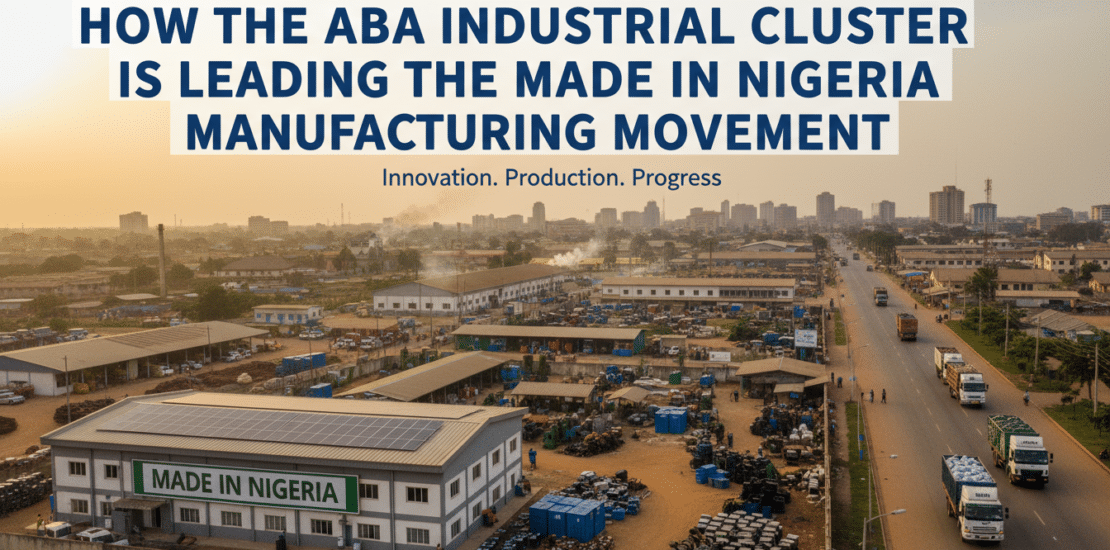
How the Aba Industrial Cluster is Leading the Made in Nigeria Manufacturing Movement
Aba, the bustling commercial hub of Abia State in southeastern Nigeria, is more than just a market city. It is a dynamic industrial cluster, a crucible of indigenous ingenuity and entrepreneurial spirit, and increasingly, the driving force behind the "Made in Nigeria" manufacturing movement. Often overlooked in favor of the oil-rich Delta region or the tech hubs of Lagos, Aba is quietly revolutionizing Nigerian manufacturing from the ground up, proving that quality, affordability, and innovation can thrive within a localized, resource-constrained environment. This article explores the multifaceted contributions of the Aba industrial cluster, its historical roots, current challenges, and future potential in shaping the landscape of Nigerian manufacturing.
A Historical Perspective: The Seeds of Indigenous Innovation
The roots of Aba’s industrial prowess can be traced back to the post-colonial era and the entrepreneurial spirit of the Igbo people. Following the Nigerian Civil War, amidst widespread devastation and limited access to formal employment, the Igbo were forced to rely on their own resourcefulness and ingenuity. Aba, strategically located and already a significant trading center, became a natural incubator for this self-reliance.
The early days saw the emergence of artisans and craftsmen who, lacking access to imported goods or advanced machinery, began to replicate and adapt existing products. Mechanics, blacksmiths, and tailors, often learning their trades through apprenticeship systems, were instrumental in laying the foundation for Aba’s manufacturing base. They repaired imported vehicles, fashioned tools from scraps, and crafted clothing that met the needs of the local population. This period fostered a culture of problem-solving and adaptation, where innovation was born out of necessity.
Crucially, the "Aba Made" tag, initially synonymous with imitation and sometimes, lower quality, began to evolve. As the artisans honed their skills and gained access to better materials, the quality of their products steadily improved. The focus shifted from mere replication to incorporating indigenous designs and functionalities, catering specifically to the Nigerian market. This gradual progression from imitation to innovation is a testament to the resilience and adaptive capacity of Aba’s artisans.
The emergence of small-scale industries, often family-owned and operated, further solidified Aba’s position as a manufacturing hub. These businesses focused on producing a diverse range of goods, from shoes and clothing to plastics, metal products, and even electrical appliances. The informal sector played a vital role, providing employment opportunities and contributing significantly to the local economy. This grassroots manufacturing ecosystem, built on self-reliance, innovation, and a strong work ethic, laid the foundation for the Aba industrial cluster we see today.
The Breadth and Depth of Aba’s Manufacturing Ecosystem
The Aba industrial cluster is characterized by its diversity and interconnectedness. It’s not a singular, monolithic entity but rather a complex network of specialized industries, each contributing to the overall manufacturing ecosystem. Key sectors include:
-
Leather and Footwear: Aba is renowned for its leather industry, particularly its production of shoes, bags, belts, and other leather goods. Ariaria International Market, often referred to as the "China of Africa," is the epicenter of this activity. Thousands of artisans and entrepreneurs operate within this bustling market, producing a wide range of leather products, from handcrafted sandals to sophisticated dress shoes. The leather industry in Aba is a significant employer, providing livelihoods for countless individuals and families.
-
Garment and Textile Manufacturing: Another thriving sector in Aba is the garment and textile industry. Tailors and designers produce a wide array of clothing, from traditional Nigerian attire to contemporary fashion pieces. The availability of skilled labor and relatively affordable materials has made Aba a popular destination for sourcing clothing items, both for local and international markets. The sector is increasingly embracing technology, with the adoption of computer-aided design (CAD) and sewing machines.
-
Metal Fabrication and Engineering: Aba is also a hub for metal fabrication and engineering activities. Local artisans and engineers produce a variety of metal products, including gates, windows, doors, roofing sheets, and even agricultural equipment. This sector plays a crucial role in supporting other industries, providing essential components and machinery for manufacturing processes. The ingenuity of Aba’s metal fabricators is particularly evident in their ability to adapt and repair existing machinery, often creating innovative solutions to overcome technological limitations.
-
Plastics Manufacturing: The plastics manufacturing sector in Aba produces a wide range of products, including packaging materials, household items, and industrial components. The availability of raw materials, albeit often sourced from outside the region, has fueled the growth of this sector. However, there is a growing emphasis on recycling and sustainable practices to mitigate the environmental impact of plastic production.
- Cosmetics and Pharmaceuticals: A lesser-known but growing sector in Aba is the production of cosmetics and pharmaceuticals. While subject to stricter regulatory oversight, local manufacturers are increasingly producing affordable and accessible healthcare and beauty products, leveraging locally sourced ingredients and traditional knowledge. This sector holds significant potential for growth, contributing to both economic development and public health.
The interconnectedness of these sectors is a defining characteristic of the Aba industrial cluster. For example, the leather industry relies on the metal fabrication sector for the production of buckles and other hardware. The garment industry utilizes plastic packaging materials. This intricate web of dependencies fosters collaboration and innovation, creating a dynamic and resilient manufacturing ecosystem.
Challenges and Obstacles Hindering Growth
Despite its remarkable achievements, the Aba industrial cluster faces significant challenges that hinder its full potential. These challenges include:
-
Infrastructure Deficiencies: One of the most pressing challenges is the lack of adequate infrastructure. Poor road networks, unreliable power supply, and inadequate water and sanitation facilities significantly impede manufacturing operations. Frequent power outages disrupt production schedules and damage equipment, while poor road infrastructure makes it difficult to transport goods and materials. These infrastructure deficits increase production costs and reduce competitiveness.
-
Access to Finance: Access to affordable financing is a major constraint for many small-scale manufacturers in Aba. Traditional banks are often reluctant to lend to businesses in the informal sector, citing concerns about creditworthiness and lack of collateral. Microfinance institutions offer smaller loans, but interest rates are often high, making it difficult for businesses to invest in expansion and modernization. This lack of access to finance limits the ability of manufacturers to upgrade their equipment, adopt new technologies, and expand their operations.
-
Quality Control and Standardization: Maintaining consistent quality standards is a persistent challenge for many manufacturers in Aba. Lack of access to modern testing equipment and quality control procedures often results in inconsistencies in product quality. This undermines consumer confidence and limits the ability of Aba-made products to compete in regional and international markets. The absence of standardized certification processes also hinders the acceptance of Aba-made products by larger retailers and institutional buyers.
-
Counterfeiting and Intellectual Property Rights: The Aba industrial cluster is plagued by the problem of counterfeiting and intellectual property infringement. Many manufacturers produce and sell counterfeit goods, often using the brand names of established companies. This undermines the legitimate businesses that invest in innovation and quality control, and it erodes consumer trust in Aba-made products. Weak enforcement of intellectual property rights further exacerbates this problem.
-
Skills Gap and Lack of Technical Training: While Aba boasts a large pool of skilled artisans and craftsmen, there is a growing skills gap in certain areas, particularly in advanced manufacturing techniques and technology. The lack of adequate technical training programs limits the ability of manufacturers to adopt new technologies and improve their productivity. Attracting and retaining skilled workers is also a challenge, as many young people seek opportunities in other sectors or migrate to other cities in search of better prospects.
- Regulatory Burden and Bureaucracy: Navigating the complex regulatory landscape and bureaucratic procedures can be a daunting task for small-scale manufacturers in Aba. Obtaining permits, licenses, and approvals can be time-consuming and expensive, creating significant barriers to entry and hindering business growth. The lack of transparency and predictability in the regulatory environment also discourages investment and innovation.
Addressing these challenges is crucial for unlocking the full potential of the Aba industrial cluster and accelerating the "Made in Nigeria" manufacturing movement.
Government Initiatives and Support for Aba’s Manufacturers
Recognizing the importance of the Aba industrial cluster to the Nigerian economy, the government has implemented various initiatives to support its growth and development. These initiatives include:
-
Infrastructure Development: The government has invested in infrastructure projects aimed at improving road networks, power supply, and water and sanitation facilities in Aba. These projects are designed to reduce production costs, improve transportation efficiency, and create a more conducive environment for manufacturing activities. However, the pace of infrastructure development has been slow, and much more needs to be done to address the infrastructure deficits that continue to plague the cluster.
-
Access to Finance Schemes: The government has launched various access to finance schemes to provide affordable loans to small-scale manufacturers in Aba. These schemes are often implemented in partnership with commercial banks and microfinance institutions. However, the impact of these schemes has been limited, as many manufacturers still struggle to access financing due to stringent eligibility criteria and high interest rates.
-
Skills Development Programs: The government has established vocational training centers and technical colleges in Aba to provide skills development programs for artisans and craftsmen. These programs are designed to equip workers with the skills and knowledge needed to improve their productivity and competitiveness. However, the training programs often lack relevance to the needs of the industry, and there is a need for greater collaboration between training providers and manufacturers to ensure that the skills taught are aligned with industry requirements.
-
Support for MSMEs: The government has implemented various programs to support the growth and development of micro, small, and medium enterprises (MSMEs) in Aba. These programs provide training, mentoring, and access to markets. However, the reach of these programs is often limited, and there is a need for more targeted and comprehensive support for MSMEs in the cluster.
- Made in Nigeria Initiatives: The government has launched various "Made in Nigeria" initiatives to promote the consumption of locally made products. These initiatives aim to increase awareness of the quality and affordability of Nigerian-made goods and to encourage consumers to support local manufacturers. However, the impact of these initiatives has been limited, as many consumers still prefer imported goods due to perceived higher quality and lower prices.
While these government initiatives are commendable, there is a need for a more coordinated and comprehensive approach to supporting the Aba industrial cluster. This requires greater collaboration between government agencies, private sector organizations, and civil society groups. It also requires a shift in mindset from simply providing handouts to creating an enabling environment for businesses to thrive.
The Future of Manufacturing in Aba: A Vision for Growth and Sustainability
The future of manufacturing in Aba is bright, but realizing its full potential requires a concerted effort from all stakeholders. Key areas of focus include:
-
Strategic Infrastructure Investments: Prioritizing infrastructure investments in key areas such as power generation, transportation, and water and sanitation is crucial. Investing in renewable energy sources like solar power can provide a reliable and sustainable source of electricity for manufacturers. Improving road networks and transportation infrastructure can facilitate the movement of goods and materials, reducing transportation costs and improving efficiency.
-
Promoting Innovation and Technology Adoption: Encouraging innovation and technology adoption is essential for enhancing the competitiveness of Aba’s manufacturers. Providing access to modern equipment and machinery, as well as training on new technologies, can help manufacturers improve their productivity and product quality. Establishing innovation hubs and incubators can foster collaboration and creativity, leading to the development of new products and processes.
-
Strengthening Quality Control and Standardization: Implementing robust quality control procedures and adhering to international standards is critical for enhancing the reputation of Aba-made products. Providing training on quality management systems and facilitating access to certification processes can help manufacturers improve the quality of their products and gain access to larger markets.
-
Combating Counterfeiting and Protecting Intellectual Property: Strengthening the enforcement of intellectual property rights is essential for protecting legitimate businesses and encouraging innovation. Raising awareness among consumers about the dangers of counterfeit goods can help reduce demand for these products. Providing legal support and resources to businesses that have been victims of counterfeiting can help them recover their losses.
-
Developing a Skilled Workforce: Investing in education and training programs is crucial for developing a skilled workforce that can meet the needs of the industry. Providing vocational training on advanced manufacturing techniques and technology can help workers improve their productivity and competitiveness. Establishing partnerships between training providers and manufacturers can ensure that the skills taught are aligned with industry requirements.
-
Creating an Enabling Business Environment: Streamlining regulatory procedures and reducing bureaucratic burdens can create a more enabling environment for businesses to thrive. Providing access to information and resources on government policies and regulations can help businesses comply with the law. Establishing a one-stop shop for business registration and permits can reduce the time and cost of starting and operating a business.
- Promoting Sustainable Manufacturing Practices: Encouraging sustainable manufacturing practices is essential for protecting the environment and ensuring the long-term viability of the Aba industrial cluster. Promoting the use of recycled materials and energy-efficient technologies can reduce the environmental impact of manufacturing activities. Implementing waste management programs and enforcing environmental regulations can help protect the health and safety of workers and the community.
By addressing these challenges and focusing on these key areas, the Aba industrial cluster can continue to lead the "Made in Nigeria" manufacturing movement and contribute significantly to the economic development of Nigeria. The spirit of innovation, resilience, and entrepreneurial drive that defines Aba’s manufacturers will continue to be a powerful force in shaping the future of Nigerian manufacturing.