
How the Lekki Free Trade Zone is redefining manufacturing in West Africa
- Posted by: PSL
- Categories: BRICS News, Financial Management, Human Resources and Talent Management, International Business and Market Entry, Marketing and Sales, News Blog, Operations and Process Improvement, Organizational Development, Risk Management and Compliance, Strategy and Planning, Technology and Digital Transformation
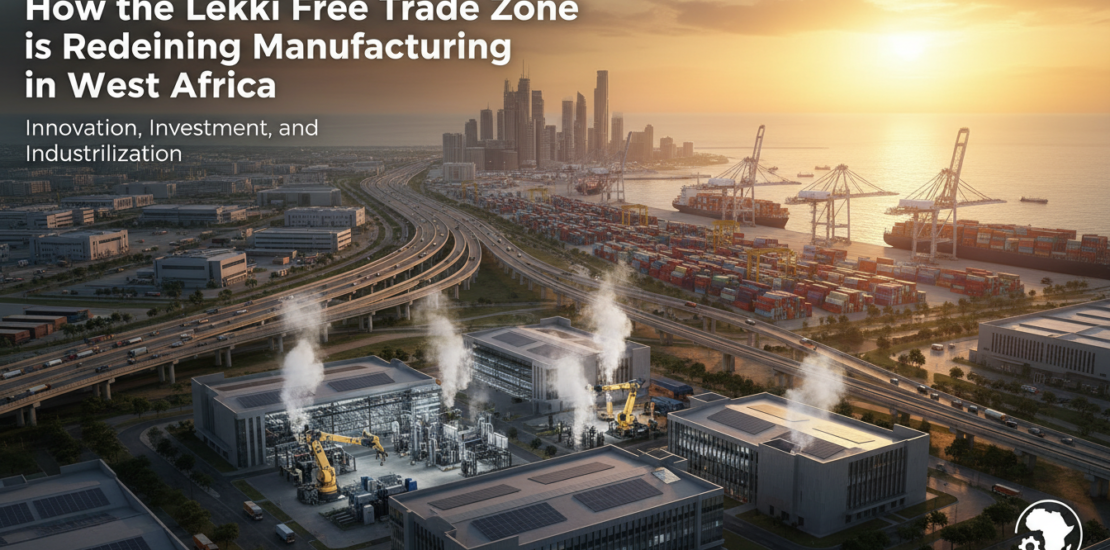
How the Lekki Free Trade Zone is Redefining Manufacturing in West Africa
The Lekki Free Trade Zone (LFTZ), a sprawling economic zone on the eastern edge of Lagos, Nigeria, is more than just a collection of factories and warehouses. It represents a bold vision – a vision to transform West Africa from a primarily import-dependent region into a manufacturing powerhouse. For decades, the region has struggled with stunted industrial growth, relying heavily on imports for essential goods and grappling with issues like unreliable infrastructure, bureaucratic bottlenecks, and inconsistent policies. The LFTZ aims to address these challenges head-on, offering a comprehensive ecosystem designed to attract investment, boost local production, and ultimately redefine the manufacturing landscape of West Africa.
The zone’s impact is already being felt, albeit in its nascent stages. The presence of the Dangote Refinery, a mega-project within the zone poised to be one of the world’s largest single-train refineries, has undeniably elevated the LFTZ’s profile. However, the significance of the LFTZ extends far beyond this single, albeit monumental, project. The zone’s strategic location, coupled with its attractive incentives and burgeoning infrastructure, is drawing a diverse range of manufacturers, creating a ripple effect that is reshaping supply chains, stimulating job creation, and fostering technological transfer across the region.
Strategic Location and Access to Markets: A Gateway to West Africa
One of the LFTZ’s most significant advantages is its strategic location. Situated on the Lekki Peninsula, it boasts direct access to the Atlantic Ocean, making it a prime location for international trade. The zone is strategically positioned to serve not only the vast Nigerian market, but also the wider Economic Community of West African States (ECOWAS), a regional bloc of 15 countries with a combined population of over 400 million. This access to a large and growing consumer base is a major draw for manufacturers seeking to expand their reach.
The development of the Lekki Deep Sea Port, situated adjacent to the LFTZ, further amplifies its strategic importance. This modern port, with its deep-water berths and advanced handling facilities, is designed to accommodate larger vessels, significantly reducing shipping costs and transit times. Compared to the congested Apapa and Tin Can Island ports in Lagos, the Lekki Deep Sea Port offers a more efficient and reliable gateway for goods entering and exiting the region. This improved connectivity not only benefits manufacturers within the LFTZ, but also facilitates trade across West Africa, making the region more competitive in the global marketplace.
Beyond maritime access, the LFTZ is also benefiting from ongoing improvements in road infrastructure. The construction of new highways and the expansion of existing roads are improving connectivity between the zone and other major commercial centers in Nigeria, reducing transportation costs and facilitating the movement of goods and personnel. This improved accessibility is crucial for manufacturers who rely on efficient logistics to operate effectively.
Attractive Incentives and a Streamlined Business Environment: Fostering Investment and Growth
The Nigerian government, recognizing the potential of the LFTZ to drive industrial growth, has implemented a range of incentives to attract both domestic and foreign investment. These incentives are designed to reduce the cost of doing business, streamline regulatory processes, and create a more favorable environment for manufacturing.
One of the most attractive incentives is the exemption from customs duties and import levies on raw materials, machinery, and equipment used in manufacturing within the zone. This significantly reduces the initial investment required to set up operations and lowers the cost of production, making the LFTZ a highly competitive location for manufacturers. In addition, companies operating within the zone are exempt from corporate income tax for a specified period, further enhancing their profitability.
Beyond financial incentives, the LFTZ also offers a streamlined business environment. The zone operates under a "one-stop-shop" model, providing investors with a single point of contact for all regulatory approvals and permits. This simplifies the process of setting up and operating a business, reducing bureaucratic hurdles and saving valuable time and resources. The LFTZ management also provides assistance with land acquisition, infrastructure development, and other essential services, making it easier for manufacturers to focus on their core business activities.
Furthermore, the LFTZ offers flexible land lease terms, allowing manufacturers to acquire land for extended periods, providing them with security and stability. This long-term commitment encourages investment in infrastructure and equipment, fostering sustainable growth within the zone. The availability of readily developed industrial plots with access to utilities like electricity, water, and telecommunications further simplifies the process of setting up operations and reduces the initial investment required.
Diversification Beyond Oil: Manufacturing for a Sustainable Future
For decades, the Nigerian economy has been heavily reliant on oil revenues, making it vulnerable to fluctuations in global oil prices. The LFTZ represents a strategic effort to diversify the economy by promoting manufacturing and other non-oil sectors. The zone is attracting investments in a wide range of industries, including petrochemicals, pharmaceuticals, food processing, textiles, and automotive assembly.
The Dangote Refinery, while primarily focused on petroleum refining, is also expected to stimulate growth in related industries, such as petrochemicals and plastics. The availability of locally produced refined petroleum products will reduce Nigeria’s dependence on imports and lower energy costs, making the country more competitive in the global market. The refinery is also expected to create numerous jobs and generate significant revenue for the government, contributing to the diversification of the Nigerian economy.
The LFTZ is also attracting investments in other manufacturing sectors, such as food processing and textiles. These industries are crucial for meeting the growing demand for consumer goods in Nigeria and the wider West African region. By promoting local production, the LFTZ is helping to reduce reliance on imports and create jobs for the local population. The zone is also encouraging the development of small and medium-sized enterprises (SMEs) by providing them with access to infrastructure, finance, and technical assistance.
Addressing Infrastructure Deficiencies: Powering the Manufacturing Revolution
One of the biggest challenges facing manufacturers in Nigeria is the unreliable supply of electricity. The LFTZ is addressing this challenge by developing its own independent power generation infrastructure. The zone is currently developing a gas-fired power plant that will provide a stable and reliable supply of electricity to manufacturers within the zone. This will significantly reduce the cost of doing business and improve the competitiveness of manufacturers in the LFTZ.
In addition to power generation, the LFTZ is also investing in other infrastructure improvements, such as water treatment plants, waste management facilities, and telecommunications networks. These investments are essential for creating a sustainable and attractive environment for manufacturers. The zone is also working with the Lagos State government to improve the transportation infrastructure connecting the LFTZ to other parts of the state, further enhancing its accessibility.
The development of robust infrastructure within the LFTZ is not only benefiting manufacturers within the zone, but also contributing to the overall improvement of infrastructure in the surrounding areas. The increased demand for electricity and other utilities is driving investment in new infrastructure projects, which will benefit the local population and contribute to economic growth.
Job Creation and Skills Development: Empowering the Workforce
The LFTZ is expected to create hundreds of thousands of jobs in Nigeria, both directly and indirectly. The establishment of new manufacturing plants within the zone will create direct employment opportunities for skilled and unskilled workers. The zone is also stimulating the growth of supporting industries, such as logistics, transportation, and construction, which will create additional employment opportunities.
In addition to job creation, the LFTZ is also promoting skills development and training. The zone is working with local universities and vocational training centers to provide training programs that are tailored to the needs of manufacturers. These programs are designed to equip workers with the skills and knowledge they need to succeed in the manufacturing sector. The LFTZ is also encouraging manufacturers to invest in training their own employees, further enhancing the skills base of the Nigerian workforce.
The focus on skills development is crucial for ensuring that Nigeria has the human capital needed to support its growing manufacturing sector. By providing workers with the skills they need, the LFTZ is helping to create a more productive and competitive workforce, which will contribute to the long-term success of the zone.
Technology Transfer and Innovation: Fostering a Culture of Innovation
The LFTZ is attracting investments from companies with advanced technologies and innovative business models. This is leading to the transfer of technology and knowledge to Nigeria, which is helping to improve the competitiveness of the local manufacturing sector. The zone is also encouraging innovation by providing support for research and development activities.
The presence of multinational corporations within the LFTZ is exposing local businesses to international best practices and standards. This is helping to improve the quality of products and services produced in Nigeria and making them more competitive in the global market. The zone is also fostering collaboration between local and foreign companies, which is leading to the development of new products and technologies.
The LFTZ is also promoting the use of technology in manufacturing by providing access to high-speed internet and other telecommunications infrastructure. This is enabling manufacturers to adopt advanced manufacturing techniques, such as automation and robotics, which are improving productivity and efficiency. The zone is also encouraging the development of local technology companies, which are providing innovative solutions to the challenges facing manufacturers in Nigeria.
Challenges and Opportunities: Navigating the Path to Success
Despite its potential, the LFTZ faces a number of challenges that need to be addressed in order to ensure its long-term success. These challenges include:
- Security Concerns: Ensuring the security of the zone and its surrounding areas is crucial for attracting and retaining investment.
- Bureaucratic Bottlenecks: Streamlining regulatory processes and reducing bureaucratic hurdles is essential for creating a more efficient business environment.
- Infrastructure Deficiencies: Addressing infrastructure deficiencies, such as unreliable power supply and inadequate transportation infrastructure, is critical for improving the competitiveness of manufacturers.
- Skills Gap: Bridging the skills gap by providing training and education programs that are tailored to the needs of manufacturers is essential for creating a skilled workforce.
- Competition from Other Free Zones: The LFTZ faces competition from other free zones in Africa and around the world.
Despite these challenges, the LFTZ also presents a number of opportunities for investors and manufacturers. These opportunities include:
- Access to a Large and Growing Market: The LFTZ provides access to the vast Nigerian market and the wider West African region.
- Attractive Incentives: The zone offers a range of attractive incentives, such as tax exemptions and duty-free imports.
- Strategic Location: The LFTZ is strategically located on the Lekki Peninsula, providing easy access to the Atlantic Ocean.
- Developing Infrastructure: The zone is investing in infrastructure improvements, such as power generation, water treatment, and telecommunications.
- Growing Manufacturing Sector: The Nigerian manufacturing sector is growing rapidly, driven by increasing demand for consumer goods.
The Road Ahead: Sustaining Momentum and Realizing the Vision
The Lekki Free Trade Zone represents a significant step forward in West Africa’s quest to develop a robust and diversified manufacturing sector. Its strategic location, attractive incentives, and ongoing infrastructure development are creating a conducive environment for attracting investment and fostering growth. The zone is already having a positive impact on the Nigerian economy, creating jobs, stimulating skills development, and promoting technology transfer.
However, the LFTZ is still in its early stages of development. Sustained effort and commitment from the government, the private sector, and the local community are essential for realizing its full potential. Addressing the challenges outlined above, such as security concerns, bureaucratic bottlenecks, and infrastructure deficiencies, is crucial for ensuring the long-term success of the zone.
The Lekki Free Trade Zone is more than just an industrial park; it is a catalyst for change. It is a symbol of West Africa’s ambition to become a manufacturing powerhouse and a beacon of hope for a more prosperous and sustainable future. By continuing to invest in infrastructure, promote skills development, and foster innovation, the LFTZ can play a pivotal role in redefining manufacturing in West Africa and transforming the region into a global economic player. The journey is ongoing, but the potential is undeniable. The Lekki Free Trade Zone is not just building factories; it is building a future for West Africa.