

Agro Processing Technology Implementation Modernization
- Posted by: PSL
- Categories: BRICS News, Financial Management, International Business and Market Entry, News Blog
Introduction
Agro-processing plays a vital role in the agricultural supply chain, transforming raw agricultural products into market-ready goods. This sector is increasingly recognized for its potential to enhance food security, create employment opportunities, and improve rural livelihoods. However, the agro-processing industry faces numerous challenges, including inefficiencies, waste, and evolving consumer preferences. To address these issues, modernization through innovative technologies is essential. In this article, we will explore the latest trends in agro-processing technology, the barriers to implementation, and the steps necessary for successful modernization.
The Importance of Agro-Processing
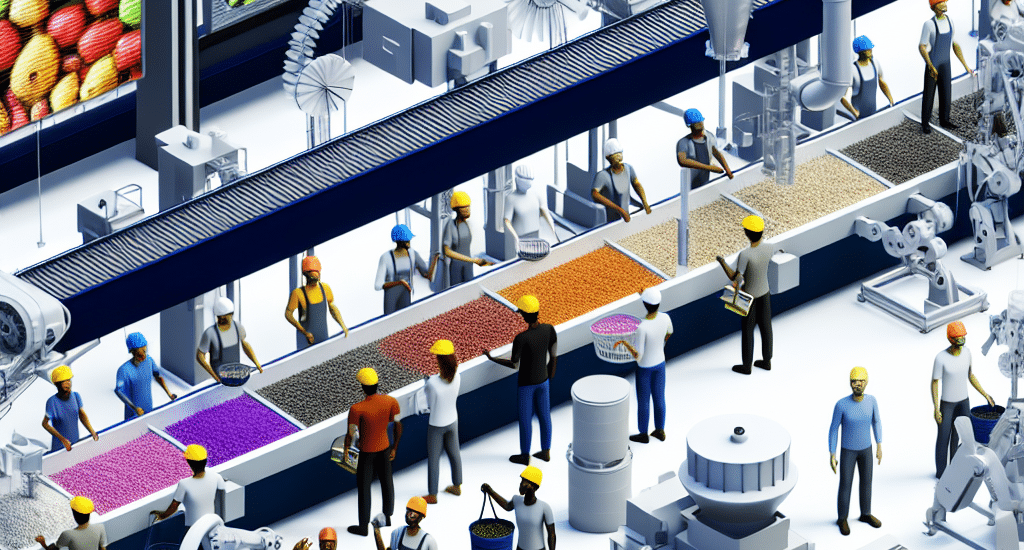
Agro-processing involves various stages, from cleaning and sorting to packaging and distribution, and encompasses products such as canned goods, frozen foods, dairy products, and fiber processing. The significance of agro-processing lies in its ability to add value to raw materials. By transforming basic commodities into finished products, agro-processing enhances their shelf life, reduces food spoilage, and meets nutritional needs.
Moreover, agro-processing contributes to economic stability. According to the Food and Agriculture Organization (FAO), agro-industries can potentially increase incomes for farmers by approximately 30%. As a result, agro-processing has become a critical area for investment and innovation, especially in developing countries aiming for economic growth.
Current Trends in Agro-Processing Technology
1. Automation and Robotics
One of the most transformative trends in agro-processing technology is the integration of automation and robotics. Automated systems can significantly reduce labor costs and increase efficiency, enabling facilities to operate continuously. Robotic arms and machines can handle repetitive tasks such as sorting, packing, and even assembly, minimizing human error and improving product quality.
Moreover, robotics can be tailored to specific functions, reducing the need for manual intervention and allowing workers to focus on higher-skilled tasks. Investing in automation may require substantial initial capital, but the long-term savings in labor and improved efficiency often outweigh these costs.
2. Smart Agriculture Technologies
The rise of the Internet of Things (IoT) has paved the way for smart agriculture technologies that optimize production and processing. Sensors equipped with IoT technology can collect data on soil conditions, weather patterns, and crop health, allowing for precise monitoring throughout the agricultural lifecycle.
Data analytics derived from these sensors can inform processing decisions, facilitating real-time adjustments to maximize yields and quality. For example, IoT-enabled systems in processing plants can monitor equipment performance, identify downtime, and predict maintenance needs, ultimately enhancing operational efficiency.
3. Sustainable Practices
With climate change posing significant risks to food production, sustainability in agro-processing is becoming increasingly important. Modern technologies enable more sustainable practices by minimizing waste and energy consumption, leading to environmentally friendly processes.
Techniques such as vertical farming and hydroponics allow for the efficient use of space and resources, requiring less land and water while ensuring a consistent supply of fresh produce. Moreover, waste-to-value technologies convert agricultural by-products into bioenergy, fertilizers, or other marketable products, reducing environmental impact and enhancing profitability.
4. Blockchain and Traceability
Transparency in the food supply chain is paramount for consumer trust and safety. Blockchain technology offers a solution by providing an immutable record of product origins, processing stages, and distribution channels. This level of traceability can help prevent food fraud and ensure compliance with safety regulations.
By leveraging blockchain, agro-processors can provide consumers with confidence in the quality of their products. This technology also facilitates more efficient recalls, as stakeholders can quickly identify and locate affected products in the supply chain.
5. Food Safety Technologies
Food safety remains a top priority in agro-processing. Emerging technologies such as rapid testing kits, UV-C light sanitation, and automated cleaning systems streamline quality control processes. These innovations enhance the ability to detect contaminants and pathogens early in the processing stage, reducing the risk of foodborne illness.
Additionally, machine learning algorithms can analyze historical data to identify patterns and predict potential safety issues. By adopting these technologies, agro-processors can significantly mitigate risks and enhance product quality.
Challenges in Implementation
While the benefits of modernizing agro-processing technology are clear, various challenges hinder successful implementation.
1. Financial Constraints
One of the most significant barriers to adopting new technologies is the high cost of investment. Smallholder farmers and local businesses often operate with limited financial resources, making it difficult to implement modern systems. Access to funding, whether through government grants, loans, or partnerships, is crucial for facilitating modernization.
2. Skill Gaps and Training
The introduction of advanced technologies necessitates a workforce with specialized skills. Many agro-processing facilities lack employees trained in the latest technologies, which can create a skills gap. Implementing comprehensive training programs and collaborating with educational institutions can help build the labor force needed to navigate modernization.
3. Infrastructure Limitations
In many regions, especially in developing countries, inadequate infrastructure can impede the adoption of modern agro-processing technologies. Poor transportation networks, unreliable energy sources, and insufficient communication systems can all hinder the efficient implementation of new technologies.
4. Regulatory Barriers
Regulatory frameworks can also pose challenges to modernization. Stringent regulations around food safety, environmental standards, and labor laws can sometimes slow down the adoption of new technologies. Engaging with policymakers to create a more conducive regulatory environment is essential for fostering innovation.
5. Resistance to Change
Cultural factors and resistance to change can further complicate the implementation of modern technologies. Traditional practices may be deeply ingrained in agricultural communities, making it difficult to shift towards more modern methods. Developing strategies to communicate the benefits of modernization and demonstrating successful case studies can help mitigate this resistance.
Steps Towards Successful Modernization
To successfully modernize agro-processing, a multi-faceted approach is necessary.
1. Conducting Feasibility Studies
Before implementing new technologies, conducting comprehensive feasibility studies is essential. These assessments should evaluate the technological, economic, and operational aspects of the intended changes. Understanding the local market conditions, consumer preferences, and available resources will guide informed decision-making.
2. Building Partnerships
Collaboration is key in driving technological advancement in agro-processing. Building partnerships with research institutions, technology providers, and other stakeholders can facilitate knowledge transfer and resource sharing. Such collaborations often lead to innovative solutions and access to funding opportunities.
3. Securing Funding and Investment
Identifying and securing funding is crucial for implementing modern technologies. Agro-processors can explore various financial options, including government subsidies, grants, venture capital, and public-private partnerships. Creating a solid business case that demonstrates the potential for return on investment will be vital in attracting funding.
4. Training and Capacity Building
Investing in training and capacity building is essential to bridge the skill gaps within the workforce. Agro-processing facilities should develop ongoing training programs to ensure employees are equipped with the latest technical skills and knowledge. Partnerships with educational institutions can help create tailored training programs suited to the industry’s needs.
5. Emphasizing Sustainable Practices
Integrating sustainable practices into modernization initiatives can enhance operational efficiency and minimize environmental impact. Agro-processors should assess their resource utilization and waste management strategies to identify areas for improvement. Adopting a circular economy approach can offer significant benefits by creating closed-loop systems and maximizing resource efficiency.
6. Leveraging Technology for Marketing
Modernizing agro-processing also entails optimizing marketing strategies. Digital marketing tools, social media platforms, and e-commerce can enhance product visibility and consumer engagement. Utilizing technology for effective branding and consumer communication helps build trust and loyalty in a competitive market.
Conclusion
The modernization of agro-processing technology presents a unique opportunity to propel the agricultural sector into a more efficient, sustainable, and profitable future. Ensuring that smallholders and local businesses can fully participate in this transformation requires careful planning, support, and collaboration among various stakeholders. Embracing innovation and adopting cutting-edge technologies will not only improve the functioning of agro-processing systems but also contribute to broader goals, such as enhancing food security and supporting rural economies. Through a united effort, the agro-processing industry can significantly modernize, generating benefits that ripple through the entire agricultural supply chain.