
BRICS 2024: Navigating Geopolitical Tensions and Economic Opportunities
- Posted by: PSL
- Categories: BRICS News, News Blog

BRICS 2024: Navigating Geopolitical Tensions and Economic Opportunities
As the world enters 2024, the BRICS bloc—comprising Brazil, Russia, India, China, and South Africa—stands at a pivotal crossroads. With rising geopolitical tensions, shifting economic landscapes, and increasing calls for a multipolar world, BRICS has emerged as a platform for strengthening cooperation among emerging economies while exploring avenues for economic growth and resilience.
The Evolution of BRICS
Since its inception in 2006 and formalization in 2009, BRICS has aimed to provide an alternative to traditional Western-dominated global governance structures. Initially focused on cooperation in economic policy and development, the bloc has evolved in response to a rapidly changing international environment that now includes trade disputes, climate change, and emerging technologies. As we enter 2024, the significance of BRICS has only escalated, especially as its member countries navigate varying internal challenges and external pressures.
Geopolitical Tensions
The landscape of international relations is increasingly complex. The ongoing conflict in Ukraine, strained US-China relations, and the resurgence of protectionism have raised significant concerns. BRICS nations, while diverse in their political orientations and economic models, seek to present a united front against unilateralism. Each member has its own strategic priorities—India’s border disputes with China, Brazil’s internal political dynamics, Russia’s geopolitical isolation, and South Africa’s leadership on the African continent—all influence how they engage with one another and the rest of the world.
In 2024, the bloc aims to enhance its diplomatic efforts through initiatives such as the BRICS diplomatic academy, which can foster better understanding and collaboration among member states. This partnership can provide a valuable framework to manage conflicts, promote stability, and enhance collective bargaining power on the global stage.
Economic Opportunities
Beyond geopolitical challenges, BRICS also presents a myriad of economic opportunities, particularly in the face of global economic uncertainty. With emerging markets poised for growth, BRICS represents approximately 40% of the world’s population and over a quarter of global GDP. The potential for economic cooperation and development through trade, investment, and technological innovation is immense.
-
Trade Enhancement: In 2024, BRICS is expected to focus on increasing intra-BRICS trade, which currently constitutes a modest percentage of total trade within the bloc. Measures such as tariff reductions, simplifying customs procedures, and enhancing connectivity through infrastructure projects will be paramount.
-
New Financial Mechanisms: The New Development Bank (NDB), established during the BRICS summit in 2014, provides financial support for infrastructure and sustainable development projects in member states. As the world faces increasing financial pressure, BRICS may expand the NDB’s role to include funding for climate resilience, digital transformation, and public health initiatives.
-
Innovation and Technology Sharing: With rapid technological advancements redefining industries globally, BRICS countries recognize the importance of innovation. In 2024, collaboration in research and development, particularly in sectors like renewable energy, artificial intelligence, and biotechnology, can provide a significant competitive edge.
-
Sustainable Development: The current global emphasis on sustainable development aligns with BRICS‘ goals. A collective approach toward achieving the United Nations Sustainable Development Goals (SDGs) can help address key challenges such as poverty, inequality, and environmental degradation, ultimately contributing to long-term economic stability.
Expanding Influence
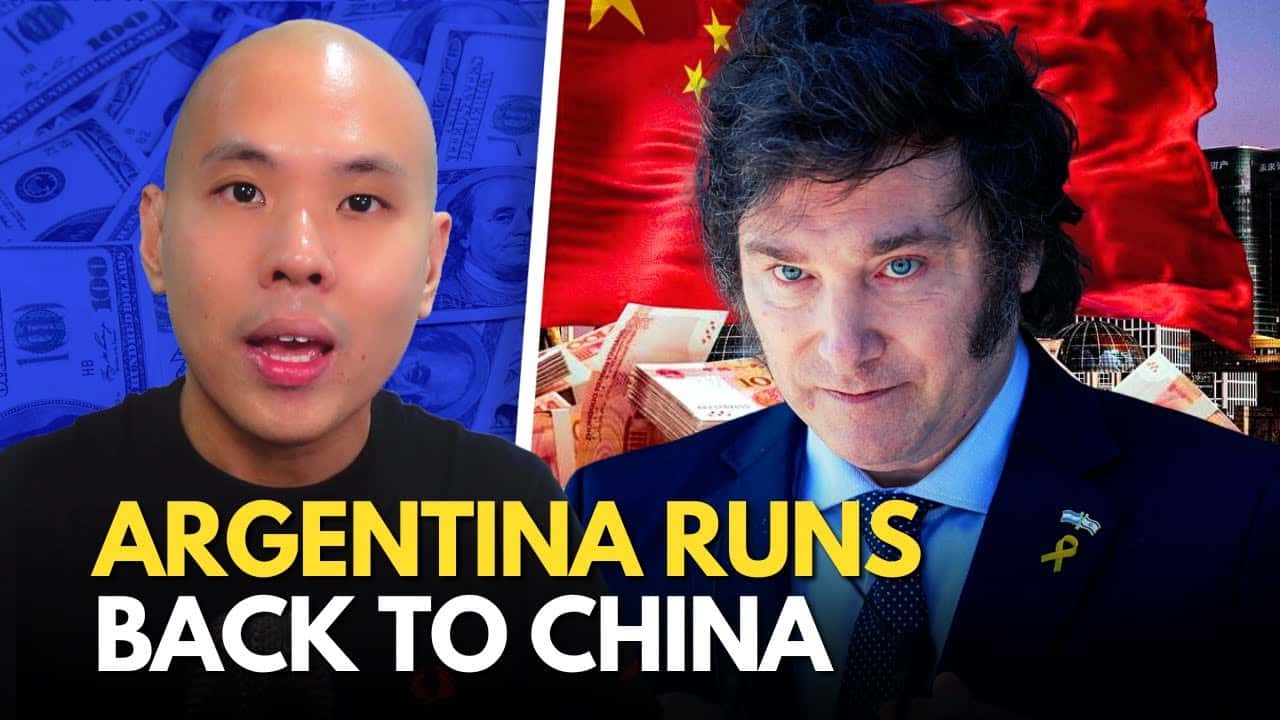
As BRICS prepares for its upcoming summit in 2024, there is potential for expansion, with nations such as Argentina, Egypt, Indonesia, and others expressing interest in joining the bloc. This expansion could amplify the geopolitical influence of BRICS and catalyze additional economic collaborations.
Moreover, the bloc’s focus on establishing alternatives to existing financial institutions may create a pathway for some countries to reduce dependency on the US dollar, an increasingly attractive proposition for many developing nations seeking greater economic sovereignty.
Conclusion
As we navigate the complexities of 2024, BRICS is poised to play a crucial role in reshaping the global order amidst geopolitical tensions and economic uncertainties. The bloc’s ability to foster unity among diverse member states will determine its effectiveness in leveraging economic opportunities and addressing global challenges. By prioritizing cooperation, innovation, and sustainable development, BRICS not only strengthens its position in world affairs but also paves the way for a more balanced and equitable global economic future. As such, the coming year will be a critical one for BRICS as it seeks to find its footing in an increasingly multipolar world.