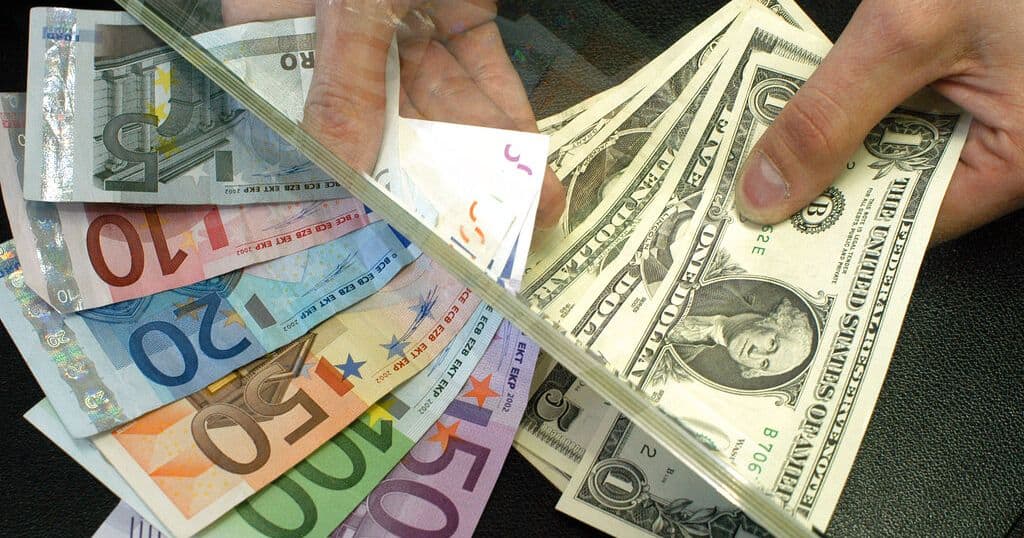
BRICS Currency: Challenging the Dominance of the US Dollar
- Posted by: PSL
- Categories: BRICS News, News Blog

BRICS Currency: Challenging the Dominance of the US Dollar
In recent years, BRICS nations—Brazil, Russia, India, China, and South Africa—have increasingly sought to create a unified economic platform that allows them to challenge the dominance of the US dollar in international trade. This coalition of emerging economies is driven by a common goal: to reduce their dependence on the dollar, stabilize their financial systems, and bolster their strategic autonomy in global markets. The potential launch of a BRICS currency has sparked significant interest and debate regarding its implications for the global economic landscape.
The Motivation Behind a BRICS Currency
-
Dependence on the US Dollar: The US dollar has long been the world’s primary reserve currency, accounting for over 60% of global reserves. This dominance has afforded the US significant advantages, including influence over international financial institutions and the ability to impose sanctions. For BRICS nations, this dependence has led to vulnerabilities, especially when domestic political climates change or tensions arise with the US.
-
Economic Pressures and Global Shifts: The financial crises of the past two decades, coupled with the COVID-19 pandemic, have illuminated the weaknesses within the existing financial architecture. Emerging economies have begun advocating for a more multipolar global economy where no single currency controls the rules of trade and investment.
-
Regional Trade and Cooperation: As a bloc, BRICS nations have experienced growing intra-group trade. A common currency or increased utilization of local currencies could facilitate smoother transactions among member countries, reducing the costs associated with currency conversion and exchange rates.
The Potential Structure of a BRICS Currency
While discussions about a BRICS currency are still in the preliminary stages, there are multiple avenues that could be explored:
-
Digital Currency Framework: In a rapidly digitizing world, a BRICS digital currency could leverage blockchain technology to facilitate secure, efficient transactions. China is already piloting its digital yuan, and a collaborative effort among BRICS nations could lead to the development of a robust digital currency framework focused on mutual reciprocity.
-
Basket of Currencies: Instead of a singular currency, a BRICS currency could consist of a basket of the member states’ currencies. This model could mitigate risks associated with fluctuations in any one currency and provide a stable reference point for trade.
-
Commodity Backing: Given the wealth of natural resources among BRICS nations, there is potential for a currency that is backed by commodities like oil, gold, or agricultural products. This could provide a sense of security and credibility, making it an attractive alternative to fiat currencies.
Challenges Ahead
The road to implementing a BRICS currency is fraught with challenges:
-
Divergent Economies: The BRICS nations, while united by their developing status, are economically diverse, with varying policy approaches, inflation rates, and monetary systems. Achieving consensus on monetary policy could prove challenging.
-
Geopolitical Tensions: Historical and contemporary geopolitical tensions between member states, particularly between India and China, may complicate efforts to unify under a single currency. Trust and cooperation among BRICS countries are imperative for success.
-
Established Systems: The existing global financial architecture is deeply embedded, with many businesses and states reluctant to shift from the dollar-centric model. Overcoming this inertia will require significant incentives and changes in stakeholder perceptions.
Implications for the Global Economy
The introduction of a BRICS currency, or the increased use of national currencies in trade, could have far-reaching implications:
-
De-dollarization Trends: The move towards a BRICS currency could accelerate de-dollarization efforts in other regions, especially among countries looking to mitigate the risks associated with dependence on the dollar.
-
Shift in Global Trade Dynamics: A strong BRICS currency could facilitate a shift in global trade patterns, possibly leading to the formation of trade agreements that prioritize transactions in non-dollar currencies, thereby reshaping economic alliances.
-
Impact on the US Dollar’s Reserve Status: If successful, a BRICS currency could diminish the dollar’s status as the world’s leading reserve currency, prompting a reevaluation of its role in international finance.
Conclusion
The desire for a BRICS currency is a reflection of the broader global shift towards multipolarity in economic power. While formidable challenges lie ahead, the initiative signifies a collective aspiration among emerging economies to secure greater agency within the global financial system. As discussions evolve, the economic dynamics will provide valuable insights into how the balance of power in international finance is changing—a development that could redefine economic relationships worldwide for decades to come.