
Emerging Markets: How African Economies Are Defying Global Challenges
- Posted by: PSL
- Category: News Blog

Emerging Markets: How African Economies Are Defying Global Challenges
In a world increasingly characterized by economic volatility and unpredictable market dynamics, African economies are emerging as resilient players, adept at navigating the complexities of global challenges. While the continent faces its share of hurdles, including political instability, infrastructural deficits, and the looming threat of climate change, the narrative surrounding African economies is shifting. Instead of merely being seen as areas of risk, they are gaining recognition for their potential growth, innovation, and resilience.
The Landscape of African Economies
Africa is home to some of the world’s fastest-growing economies. Nations like Ethiopia, Ghana, Kenya, and Rwanda are witnessing rapid growth rates, often outpacing some of their global counterparts. According to the African Development Bank, the continent is projected to grow at a rate of 3.7% in 2023, a remarkable feat considering lingering effects from the pandemic, supply chain disruptions, and geopolitical tensions.
This growth trajectory is bolstered by several factors, such as youthful populations, increasing urbanization, and a burgeoning middle class with a rising purchasing power. The Economic Community of West African States (ECOWAS) and the African Continental Free Trade Area (AfCFTA) are facilitating intra-African trade by reducing tariff barriers and promoting economic cooperation, thus enabling local businesses to scale and compete globally.
Leveraging Technology for Growth
One of the standout features of many African economies is their rapid adoption of technology. Innovation hubs and tech startups are flourishing across the continent, capitalizing on opportunities in fintech, agriculture, health, and education. The tech ecosystem in countries like Nigeria, Kenya, and South Africa is generating high-profile investments, attracting major players such as Google and Microsoft.
For example, mobile banking has revolutionized financial services access, with platforms like M-Pesa in Kenya providing millions with essential banking facilities. This leap in financial technology not only fosters financial inclusion but also positions African nations as pioneers in redefining financial services on a global scale.
Sustainable Practices and Green Investments
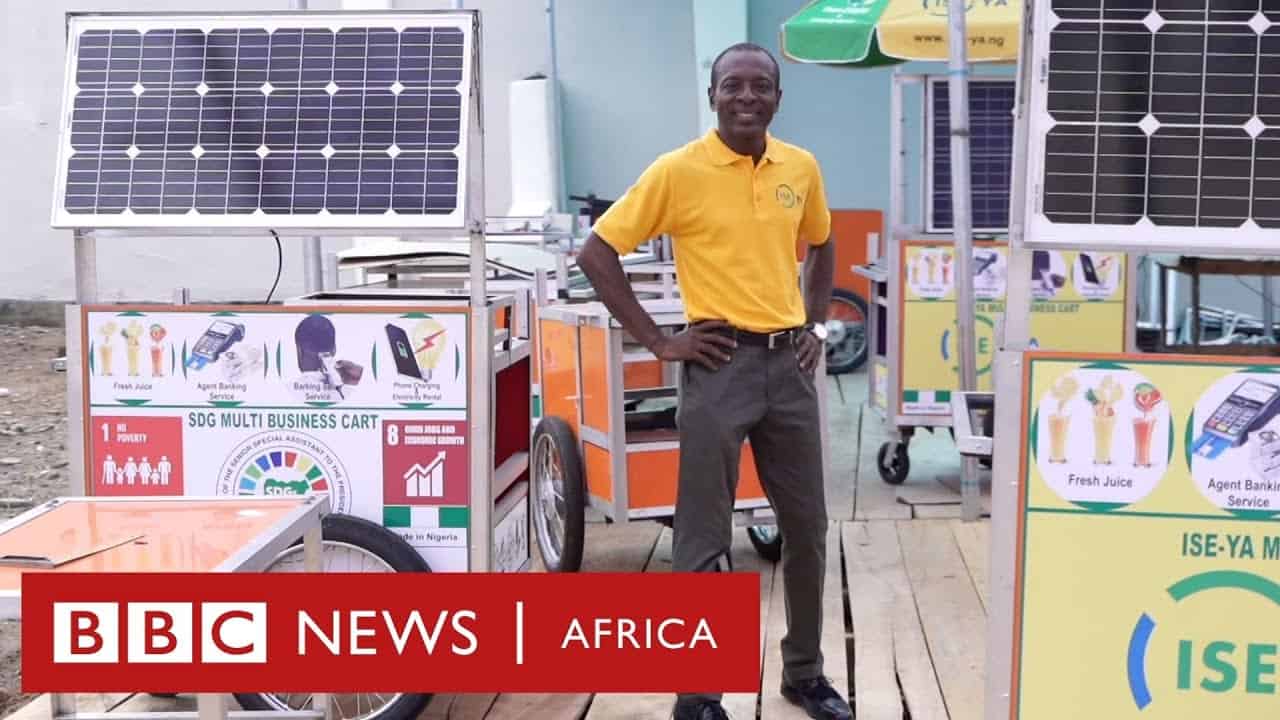
The global discourse on sustainability has prompted many African nations to rethink their development strategies. With abundant natural resources and biodiversity, countries like Morocco and South Africa are investing heavily in renewable energy. Projects like the Noor Ouarzazate Solar Complex in Morocco showcase Africa’s potential as a leader in sustainable energy solutions.
Additionally, agricultural innovation is becoming increasingly central to economic resilience. Agricultural technologies, such as precision farming and mobile-based solutions for farmers, are enabling better crop yields while conserving resources. This not only enhances food security but also creates opportunities for export and trade, further integrating African economies into the global market.
Resilience Amidst Global Turmoil
While African economies are showing signs of resilience, they are not immune to global challenges. The COVID-19 pandemic severely disrupted supply chains, while escalating conflicts and climate change continue to pose significant risks. However, the response from many African nations has been of swift adaptation. Governments are increasingly adopting digital solutions to enhance governance, improve service delivery, and ensure public health.
In addition, the push for local production has gained momentum, with many countries prioritizing self-sufficiency in essential goods and services. By fostering a culture of entrepreneurship and local value addition, African economies are laying the foundations for sustainable growth, reducing reliance on imports, and enhancing economic sovereignty.
The Path Forward
The future of African economies is not without obstacles, but the continent’s potential is undeniable. As investors shift their focus toward emerging markets, Africa offers a wealth of opportunities spanning various sectors, including technology, renewable energy, and agribusiness. However, for sustained growth, there is a need for strong governance, infrastructural investments, and a continued focus on education and skills development.
In conclusion, African economies are not just surviving amidst global challenges; they are thriving and innovating, carving out their place on the world stage. The narrative is evolving — from one of dependency to one of self-reliance, resilience, and opportunity. With the right strategies, investment, and commitment to sustainable practices, Africa is poised to emerge as a leading player in the global economy, defying expectations and challenges through ingenuity and determination.