

How Nigeria is positioning itself as the data center capital of West Africa
- Posted by: PSL
- Categories: BRICS News, Financial Management, Human Resources and Talent Management, International Business and Market Entry, Marketing and Sales, News Blog, Operations and Process Improvement, Organizational Development, Risk Management and Compliance, Strategy and Planning, Technology and Digital Transformation
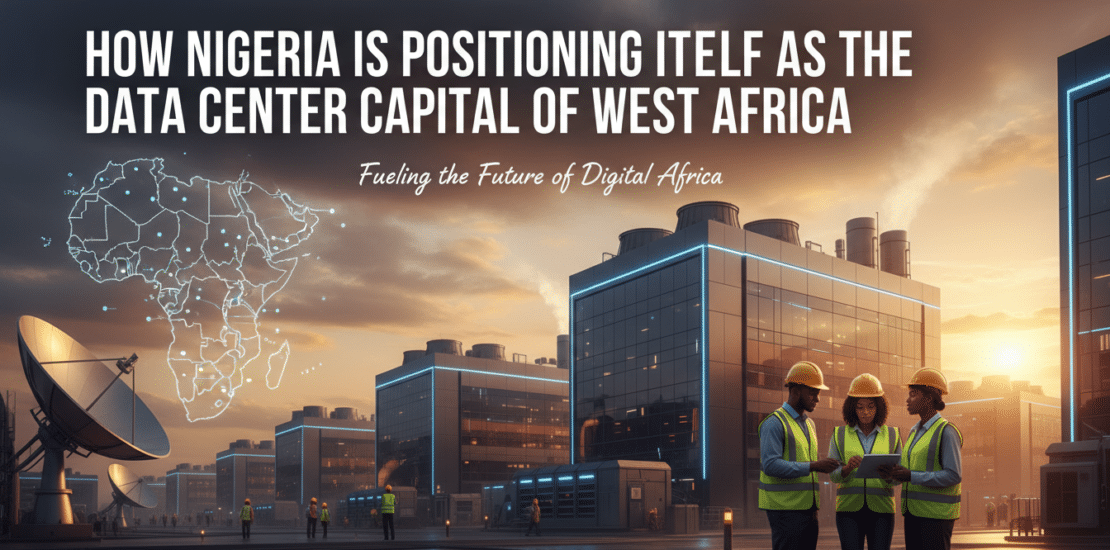
How Nigeria is Positioning Itself as the Data Center Capital of West Africa
Nigeria, the giant of Africa, is rapidly emerging as the data center hub of West Africa. This transformation is driven by a confluence of factors, including a burgeoning digital economy, a young and tech-savvy population, increasing internet penetration, and significant investments in infrastructure and connectivity. While challenges remain, the strategic initiatives undertaken by both public and private sector players are laying the groundwork for Nigeria to become the premier location for data storage, processing, and dissemination in the region. This article will delve into the key elements contributing to Nigeria’s ascent as a data center capital, exploring the drivers, investments, competitive advantages, challenges, and future prospects of this burgeoning industry.
The Digital Economy as the Foundation:
Nigeria’s aspiration to become a data center capital is intrinsically linked to the growth of its digital economy. The country boasts the largest economy in Africa and is rapidly embracing digital technologies across various sectors. This digital revolution is fueled by several factors:
- Mobile Technology Adoption: Nigeria is a mobile-first nation, with a high mobile penetration rate. Smartphones have become ubiquitous, providing access to the internet for a vast majority of the population. This has driven the adoption of mobile banking, e-commerce, and other digital services, creating a massive demand for data storage and processing.
- Fintech Boom: Nigeria has witnessed an explosion in the fintech sector, with numerous startups offering innovative digital financial services. These companies rely heavily on data centers to store sensitive financial information, process transactions, and ensure the security of their platforms. The growth of fintech has been a major catalyst for data center investment.
- E-commerce Growth: The e-commerce market in Nigeria is experiencing rapid expansion, driven by increasing internet penetration and a growing middle class. Online retailers require robust data center infrastructure to manage their websites, process orders, handle customer data, and ensure seamless online shopping experiences.
- Government Digitization Initiatives: The Nigerian government is actively promoting the digitization of its services, aiming to improve efficiency, transparency, and accessibility. This includes initiatives such as online portals for government services, electronic identity management systems, and digital tax collection. These initiatives create a significant demand for data center capacity.
- Content Delivery Networks (CDNs): The growing demand for online content, including streaming video, social media, and online gaming, has led to the expansion of content delivery networks (CDNs) in Nigeria. CDNs require strategically located data centers to cache content and deliver it to users with minimal latency, improving the user experience.
The digital economy’s expansion has created a significant and growing demand for data center services, attracting both local and international investors who recognize the enormous potential of the Nigerian market.
Investments in Data Center Infrastructure:
Recognizing the strategic importance of data centers, significant investments are being made to develop world-class facilities in Nigeria. These investments are driven by both local and international players, including:
- Local Data Center Providers: Companies like Rack Centre, MDXi (MainOne), and Galaxy Backbone are leading the way in building and operating data centers in Nigeria. These companies have invested heavily in state-of-the-art facilities with high levels of security, redundancy, and energy efficiency.
- International Data Center Operators: Global data center giants are also entering the Nigerian market, either through direct investment or partnerships with local players. Companies like Africa Data Centres, Teraco, and Equinix (via MainOne acquisition) have made significant investments in data center facilities in Nigeria, bringing their expertise and resources to the local market.
- Telecommunications Companies: Telecommunications companies like MTN and Airtel are also investing in data centers to support their own operations and offer data center services to their customers. These companies have extensive network infrastructure and are well-positioned to provide connectivity to data centers.
- Government Initiatives: The Nigerian government is also playing a role in promoting data center development through various initiatives, including tax incentives, infrastructure development, and regulatory support. The government’s National Information Technology Development Agency (NITDA) is actively working to create a conducive environment for data center investment.
These investments are resulting in the construction of modern, Tier III and Tier IV certified data centers in key locations across Nigeria, particularly in Lagos and Abuja. These facilities offer a range of services, including colocation, cloud hosting, and managed services, catering to the diverse needs of businesses and government agencies.
Competitive Advantages of Nigeria as a Data Center Hub:
Nigeria possesses several competitive advantages that position it favorably as a data center hub in West Africa:
- Large and Growing Economy: Nigeria has the largest economy in Africa, with a rapidly growing middle class and a vibrant business environment. This provides a strong foundation for data center investment, as businesses require reliable and secure data storage and processing to support their operations.
- Young and Tech-Savvy Population: Nigeria has a young and tech-savvy population, with a high adoption rate of mobile technology and digital services. This creates a large pool of potential customers for data center services, as well as a skilled workforce to support the industry.
- Strategic Geographic Location: Nigeria is strategically located in West Africa, making it an ideal location for serving the entire region. Its proximity to other major economies in West Africa, such as Ghana, Cote d’Ivoire, and Senegal, makes it an attractive hub for data center operations.
- Improving Infrastructure: While infrastructure challenges remain, Nigeria has made significant progress in improving its infrastructure in recent years. This includes investments in power generation, telecommunications networks, and transportation infrastructure, which are essential for data center operations.
- Government Support: The Nigerian government is actively promoting the development of the digital economy and data center industry through various policies and initiatives. This includes tax incentives, regulatory reforms, and infrastructure development projects.
These competitive advantages make Nigeria an attractive location for data center investment, both from local and international players.
Challenges to Overcome:
Despite its significant potential, Nigeria faces several challenges in its quest to become a data center capital:
- Power Supply Instability: One of the most significant challenges is the unreliable power supply. Frequent power outages can disrupt data center operations and damage sensitive equipment. Data center operators must invest in backup power solutions, such as generators and uninterruptible power supplies (UPS), which add to their operating costs.
- Connectivity Issues: While internet penetration is increasing, the quality and availability of connectivity can still be a challenge in some areas. Reliable and high-speed internet connectivity is essential for data center operations, and improvements in this area are crucial.
- Security Concerns: Security is a major concern for data center operators, given the sensitive nature of the data they store. Nigeria faces security challenges, including cybercrime and physical security threats. Data center operators must invest in robust security measures to protect their facilities and data.
- Skills Gap: There is a skills gap in the data center industry in Nigeria, with a shortage of qualified professionals to operate and maintain these facilities. Investing in training and education programs is essential to develop a skilled workforce.
- High Cost of Operations: The cost of operating data centers in Nigeria can be high due to factors such as power costs, security expenses, and the need for backup infrastructure. Reducing the cost of operations is crucial to making data centers more competitive.
- Regulatory Uncertainty: Regulatory uncertainty can also be a challenge for data center operators. Clear and consistent regulations are needed to provide a stable and predictable environment for investment.
Addressing these challenges is crucial to unlocking the full potential of the data center industry in Nigeria.
The Path Forward: Strategic Initiatives and Future Prospects:
To solidify its position as the data center capital of West Africa, Nigeria needs to continue pursuing strategic initiatives and addressing the remaining challenges. Key areas of focus include:
- Investing in Renewable Energy: To address the power supply challenges and reduce carbon emissions, Nigeria should invest in renewable energy sources, such as solar and wind power. Data centers can utilize renewable energy to power their operations, reducing their reliance on fossil fuels.
- Improving Connectivity Infrastructure: Further investments in fiber optic networks and broadband infrastructure are needed to improve connectivity across the country. This will enable data centers to provide high-speed and reliable connectivity to their customers.
- Strengthening Cybersecurity Measures: Robust cybersecurity measures are essential to protect data centers from cyberattacks. This includes investing in advanced security technologies, training cybersecurity professionals, and implementing strong security policies.
- Developing Local Talent: Investing in training and education programs to develop a skilled workforce is crucial for the long-term sustainability of the data center industry. This includes offering scholarships, internships, and apprenticeships to young people interested in data center careers.
- Streamlining Regulations: The government should streamline regulations to make it easier for data center operators to invest and operate in Nigeria. This includes reducing bureaucratic hurdles, providing tax incentives, and creating a clear and predictable regulatory framework.
- Promoting Data Localization: Encouraging data localization can help to drive demand for data center services in Nigeria. Data localization policies require companies to store data generated within the country locally, which can create opportunities for data center operators.
- Fostering Collaboration: Collaboration between government, industry, and academia is essential to fostering innovation and growth in the data center industry. This includes creating platforms for knowledge sharing, collaboration on research projects, and the development of industry standards.
By addressing these challenges and pursuing these strategic initiatives, Nigeria can solidify its position as the data center capital of West Africa and unlock the full potential of its digital economy. The future looks bright for the data center industry in Nigeria, with continued growth and investment expected in the years to come. As the digital economy continues to expand, the demand for data center services will only increase, creating opportunities for businesses and driving economic growth. Nigeria is poised to become a major player in the global data center market, and its journey to becoming the data center capital of West Africa is well underway.