

How Rivers State maritime infrastructure supports global commodity trading
- Posted by: PSL
- Categories: BRICS News, Financial Management, Human Resources and Talent Management, International Business and Market Entry, Marketing and Sales, News Blog, Operations and Process Improvement, Organizational Development, Risk Management and Compliance, Strategy and Planning, Technology and Digital Transformation
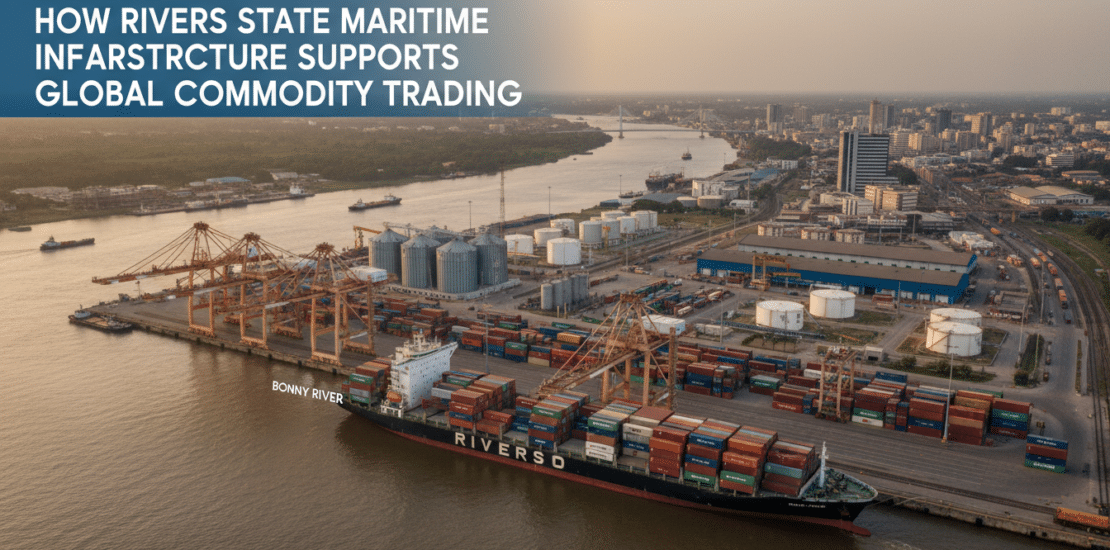
How Rivers State Maritime Infrastructure Supports Global Commodity Trading
Rivers State, located in the Niger Delta region of Nigeria, occupies a strategic position in global commodity trading, primarily due to its extensive maritime infrastructure. This infrastructure, encompassing ports, jetties, waterways, and associated logistical networks, plays a vital role in facilitating the export of crude oil, natural gas, agricultural products, and other commodities, while also enabling the import of essential goods for the Nigerian economy. Understanding the intricate ways in which Rivers State’s maritime infrastructure underpins global commodity trading requires examining its components, capabilities, challenges, and future potential.
Key Components of Rivers State’s Maritime Infrastructure:
The bedrock of Rivers State’s contribution to global commodity trade rests upon its diverse maritime infrastructure. These key elements can be categorized as follows:
- Port Harcourt Port Complex: This is the oldest and one of the largest ports in Nigeria, situated on the Bonny River. It comprises two main facilities: the Federal Ocean Terminal (FOT) and the Federal Lighter Terminal (FLT). The FOT handles larger vessels and is equipped for general cargo, containerized goods, and bulk commodities. The FLT caters to smaller vessels and inland waterway traffic, facilitating the distribution of goods to other parts of the country. Port Harcourt Port is critical for handling imports and exports, connecting Rivers State and the wider Nigerian economy to global markets.
- Onne Port Complex: Located in the Oil and Gas Free Zone, Onne, this port complex is a more modern and strategically important facility. It comprises several terminals operated by different entities, specializing in various aspects of maritime trade. Key terminals include:
- West Africa Container Terminal (WACT): WACT focuses on container handling and is a vital link in the global supply chain. It has invested significantly in infrastructure upgrades to handle larger container vessels, improving efficiency and turnaround times.
- Onne Multipurpose Terminal (OMT): OMT handles a variety of cargo, including project cargo, heavy equipment, and general goods. It caters to the needs of the oil and gas industry, supporting exploration, production, and maintenance activities.
- Intels Nigeria Limited Terminals: These terminals are critical for supporting the oil and gas industry, providing logistics and support services for offshore operations. They handle specialized equipment, pipes, and other materials required for oil and gas exploration and production.
- Bonny River Terminal (BRT): Operated by Shell Petroleum Development Company (SPDC), the Bonny River Terminal is a major crude oil export facility. It receives crude oil from various onshore and offshore fields and processes it for export to global markets. The BRT is a vital node in Nigeria’s crude oil export infrastructure, playing a crucial role in the country’s revenue generation.
- Jetties and Inland Waterways: Numerous private and government-owned jetties are scattered along the waterways of Rivers State. These jetties facilitate the movement of goods and people, connecting riverine communities to larger trading hubs. The extensive network of inland waterways provides an alternative mode of transportation, reducing congestion on roads and enabling the efficient movement of commodities.
- Oil and Gas Free Zone, Onne: This free zone is a strategically important area that hosts several companies involved in oil and gas exploration, production, and logistics. The free zone provides a favorable business environment, attracting investment and promoting economic growth. The presence of the Onne Port Complex within the free zone further enhances its appeal as a hub for maritime trade and related activities.
Capabilities and Contributions to Global Commodity Trading:
Rivers State’s maritime infrastructure significantly contributes to global commodity trading through the following capabilities:
- Crude Oil Exports: The Bonny River Terminal and other oil terminals in the state are critical for exporting Nigeria’s crude oil to global markets. Nigeria is a major oil producer and exporter, and Rivers State accounts for a significant portion of its crude oil exports. This directly impacts global energy markets, influencing prices and supply chains. The infrastructure facilitates the loading of crude oil onto tankers, which then transport it to refineries and other destinations worldwide.
- Natural Gas Exports: The Nigeria LNG (NLNG) plant in Bonny Island is a major natural gas liquefaction facility. It processes natural gas from the Niger Delta region and exports it to various countries in Europe, Asia, and the Americas. The NLNG plant relies on maritime infrastructure for the transportation of natural gas and liquefied natural gas (LNG). This helps meet global demand for cleaner energy sources.
- Agricultural Commodity Exports: Rivers State has the potential to export agricultural commodities such as palm oil, rubber, and timber. The ports in Rivers State can facilitate the export of these commodities, connecting local producers to global markets. While the agricultural sector has faced challenges, investments in port infrastructure and logistics can help unlock its potential and boost agricultural exports.
- Imports of Essential Goods: Rivers State’s ports also play a vital role in importing essential goods for the Nigerian economy. These include manufactured goods, machinery, food items, and other consumer products. The efficient handling of imports at the ports helps ensure the availability of these goods in the Nigerian market, supporting economic activity and improving the standard of living.
- Support for the Oil and Gas Industry: The Onne Port Complex and other facilities in Rivers State provide critical support for the oil and gas industry. They handle specialized equipment, pipes, and other materials required for oil and gas exploration, production, and maintenance activities. This support helps ensure the smooth operation of the oil and gas industry, which is a major contributor to Nigeria’s economy.
- Regional Trade and Connectivity: The ports and waterways of Rivers State also facilitate regional trade and connectivity. They connect Nigeria to other countries in West Africa, enabling the movement of goods and people across borders. This promotes regional economic integration and enhances trade opportunities for businesses in the region.
Challenges Facing Rivers State’s Maritime Infrastructure:
Despite its significant contributions, Rivers State’s maritime infrastructure faces several challenges that need to be addressed to enhance its efficiency and competitiveness:
- Inadequate Infrastructure: Some of the ports and terminals in Rivers State suffer from inadequate infrastructure, including aging equipment, insufficient storage space, and poor road connectivity. This leads to delays, congestion, and increased costs for businesses.
- Security Issues: Security challenges, such as piracy, armed robbery, and vandalism, pose a threat to maritime trade in the region. These challenges can deter investment and disrupt operations.
- Corruption and Inefficiency: Corruption and bureaucratic inefficiencies can hinder the smooth operation of the ports and terminals. This includes delays in customs clearance, extortion by government officials, and other forms of corruption.
- Environmental Degradation: Oil spills and other forms of environmental degradation have negatively impacted the waterways and coastal areas of Rivers State. This has affected fishing communities and other livelihoods that depend on the marine environment.
- Limited Investment: Insufficient investment in port infrastructure and logistics has hampered the growth of the maritime sector. This includes a lack of funding for dredging, equipment upgrades, and other essential projects.
- Poor Road Network: The poor state of the road network connecting the ports to other parts of the country is a major constraint. This leads to delays in the transportation of goods and increases transportation costs.
Potential Solutions and Future Prospects:
To overcome these challenges and unlock the full potential of Rivers State’s maritime infrastructure, several solutions need to be implemented:
- Infrastructure Development: Invest in upgrading and expanding port infrastructure, including dredging, equipment upgrades, and the construction of new terminals. This will improve efficiency, reduce congestion, and attract more investment.
- Security Enhancement: Strengthen security measures in and around the ports and waterways, including increased patrols, surveillance, and the use of technology. This will deter piracy and other criminal activities.
- Governance and Transparency: Implement measures to improve governance and transparency in the maritime sector, including streamlining customs procedures, reducing corruption, and promoting accountability.
- Environmental Protection: Enforce environmental regulations to prevent oil spills and other forms of pollution. Invest in cleanup efforts and promote sustainable practices.
- Public-Private Partnerships: Encourage public-private partnerships (PPPs) to attract investment in port infrastructure and logistics. PPPs can provide the necessary capital and expertise to develop and operate port facilities.
- Road Network Improvement: Invest in improving the road network connecting the ports to other parts of the country. This will reduce transportation costs and improve the efficiency of the supply chain.
- Diversification of the Economy: Promote diversification of the economy beyond oil and gas. This includes supporting the development of the agricultural sector, manufacturing, and other industries that can utilize port infrastructure for exports and imports.
- Human Capital Development: Invest in training and education to develop a skilled workforce for the maritime sector. This will ensure that the ports and terminals are staffed with qualified personnel who can operate and maintain the equipment and facilities.
By addressing these challenges and implementing these solutions, Rivers State can solidify its position as a major hub for global commodity trading. The state has the potential to attract more investment, create jobs, and contribute significantly to the Nigerian economy. The development of its maritime infrastructure is essential for unlocking its full potential and ensuring its continued relevance in the global market.
In conclusion, the maritime infrastructure of Rivers State is a critical component of global commodity trading. It facilitates the export of crude oil, natural gas, and other commodities, while also enabling the import of essential goods. While the infrastructure faces several challenges, including inadequate facilities, security issues, and corruption, there are also significant opportunities for improvement and growth. By investing in infrastructure development, enhancing security, improving governance, and promoting diversification, Rivers State can solidify its position as a major hub for global commodity trading and contribute significantly to the Nigerian economy.