
Inclusion and Development: The Agenda for BRICS 2024 Unveiled
- Posted by: PSL
- Categories: BRICS News, News Blog
Inclusion and Development: The Agenda for BRICS 2024 Unveiled
As the geopolitical landscape evolves, international coalitions like BRICS—comprising Brazil, Russia, India, China, and South Africa—continue to rewrite the script of global governance and economic collaboration. The Agenda for BRICS 2024, unveiled in a recent summit, emphasizes "Inclusion and Development" as its core theme, aiming to foster a more equitable global economy that prioritizes social justice alongside sustainable growth.
A Vision Rooted in Diversity
At the heart of the BRICS agenda is the concept of inclusion. Recognizing that disparities in wealth and opportunity can exacerbate social tensions and stifle development, BRICS leaders are committed to creating frameworks that integrate marginalized communities into the economic mainstream. This holistic approach acknowledges that development is not merely a quantitative measure of GDP growth, but a qualitative improvement in the well-being of all citizens.
Inclusivity in this context extends beyond economic metrics; it encompasses gender equality, digital access, educational opportunities, and the empowerment of indigenous peoples. The BRICS nations plan to collaborate on initiatives that yield benefits across different sectors, ensuring that the fruits of economic growth are shared equitably among their populations.
Economic Cooperation and Trade
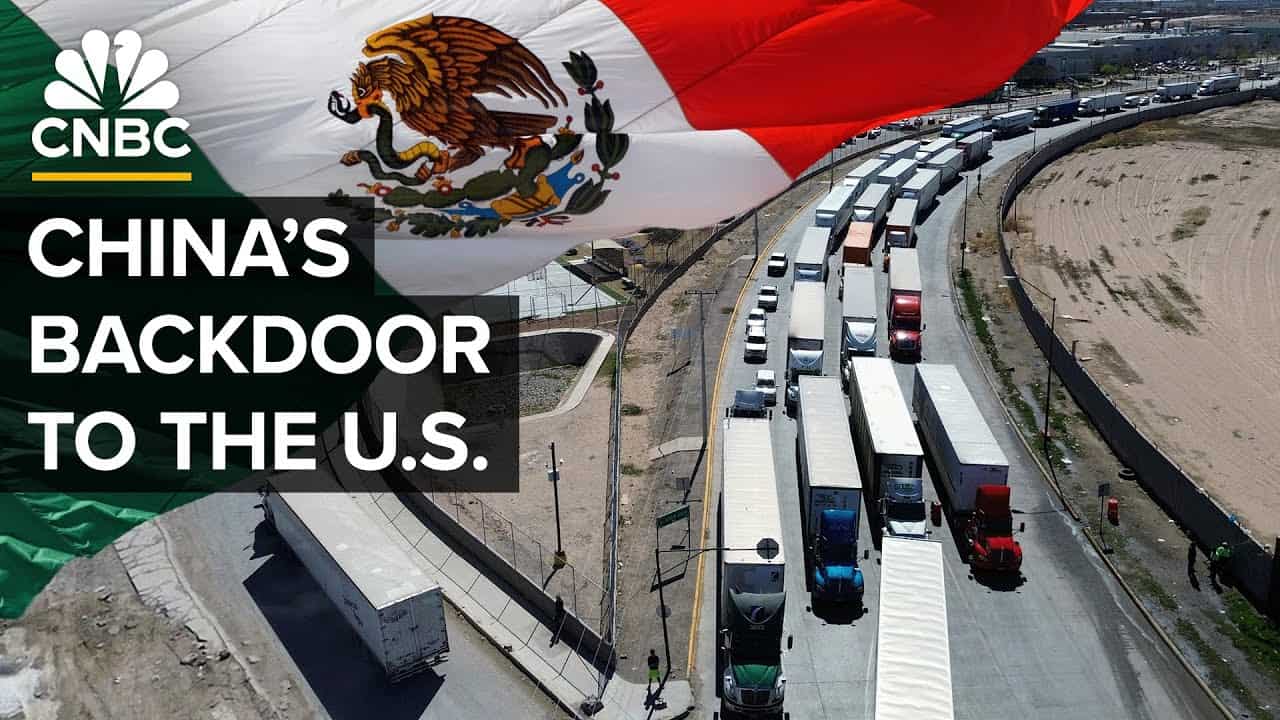
A key component of the BRICS 2024 agenda is the enhancement of economic cooperation among member states. With a focus on reducing trade barriers, simplifying customs procedures, and promoting investments in sectors like technology, agriculture, and renewable energy, BRICS seeks to forge a more interconnected economic alliance. This commitment is particularly relevant in an era where global supply chains are under scrutiny, and nations are exploring self-reliance while remaining engaged in international trade.
To support these efforts, BRICS will initiate platforms and mechanisms that facilitate inter-member trade and investments, alongside the establishment of special economic zones aimed at boosting intra-BRICS trade. This cooperative spirit not only aims to fortify the economic ties among the member countries but also positions BRICS as a formidable voice in global trade negotiations.
Sustainable Development Goals (SDGs)
The emphasis on development resonates deeply with the United Nations’ Sustainable Development Goals (SDGs). The BRICS 2024 agenda aligns closely with these global objectives, reflecting a united stance on combating poverty, inequality, and climate change. The member states have pledged to engage in collaborative efforts that tackle environmental degradation and promote sustainable practices, particularly in energy and technology sectors.
Moreover, BRICS aims to leverage its collective influence in advocating for reform in global financial institutions to make them more inclusive and representative of the current economic realities. This advocacy includes calls for increased financing for developing countries, especially for projects focusing on sustainable infrastructure and green technologies.
Digital Inclusion and Innovation
In an increasingly digital world, the BRICS agenda emphasizes the importance of digital inclusion as a driver for sustainable development. The countries are committed to ensuring that their populations have access to reliable internet, technological education, and digital tools necessary for economic participation.
Initiatives aimed at promoting innovation ecosystems will be rolled out, focusing on fostering entrepreneurship, especially among youth and women. By investing in digital literacy programs, the BRICS nations aspire to bridge the digital divide, ensuring that no community is left behind in the shift towards a digital economy.
Collective Action for Global Stability
Lastly, the Agenda for BRICS 2024 incorporates a strong commitment to collective action in addressing global challenges, from health crises to geopolitical tensions. The BRICS member states recognize that global stability requires cooperation, dialogue, and mutual respect for national sovereignty.
As they prepare for the upcoming summit, BRICS is poised not only to assert its influence on the world stage but also to redefine what it means to pursue development in the 21st century. The unveiling of the “Inclusion and Development” agenda signals a transformative vision, one that seeks to harmonize growth with social equity and environmental stewardship.
Conclusion
In a world marked by rapid change and increasing inequality, the BRICS agenda for 2024 serves as a clarion call for inclusive and sustainable development. It reflects a commitment to reshaping the economic narrative and addressing the fundamental disparities that have historically marginalized vast segments of the global population. As the member states come together to implement this agenda, they aim to craft a future where development is not just about growth but about the empowerment of all, echoing the universal principle that equality and opportunity should transcend borders.