

Irrigation Technology Adoption Water Management
- Posted by: PSL
- Categories: BRICS News, Financial Management, International Business and Market Entry, News Blog
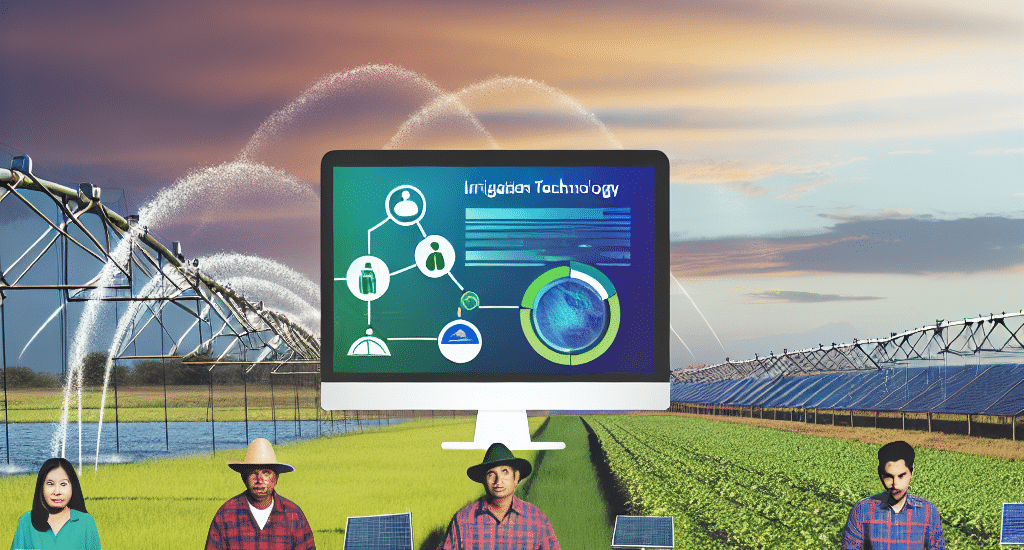
The intersection of agriculture and technology has seen significant advancements, particularly in the way water is managed. Irrigation technology adoption is not just a progressive step for agricultural efficiency; it’s a necessity in the face of dwindling water resources and changing climate conditions. This article delves into various aspects of irrigation technology adoption, its importance in water management, the various technologies available, and the challenges farmers face in implementing these practices.
The Importance of Efficient Water Management
Water is a critical resource in agriculture, constituting the backbone of crop productivity. Efficient water management is crucial for sustainable agricultural practices, especially in arid and semi-arid regions where water scarcity is a growing concern. Historically, traditional irrigation methods have been inefficient, leading to water wastage through evaporation, runoff, and deep percolation. The adoption of modern irrigation technologies promises to minimize these losses, ensuring that water is used judiciously to maximize agricultural output.
Benefits of Improved Water Management Practices
-
Increased Crop Yields: Advanced irrigation technologies can lead to enhanced crop yields by providing consistent and adequate water supply, tailored to the specific needs of various crops.
-
Water Conservation: Technologies such as drip irrigation can significantly reduce the volume of water used for agricultural purposes, conserving this precious resource.
-
Sustainability: Implementing efficient irrigation techniques supports sustainable agriculture by preserving local ecosystems and maintaining the balance of the water table.
-
Economic Viability: Farmers adopting these technologies often see improved profitability due to reduced water costs and higher crop yields, allowing for reinvestment into their farms.
-
Resilience to Climate Change: Efficient water management supports the resilience of agricultural systems in adapting to the impacts of climate change, including altered precipitation patterns and increased temperatures.
Types of Irrigation Technologies
The landscape of irrigation technology has evolved significantly over the years. Various technologies are available, each with its strengths, weaknesses, and suited applications.
1. Drip Irrigation
Drip irrigation is a highly efficient method that delivers water directly to the root zone of plants through a network of tubing and emitters. This technology minimizes evaporation and runoff, making it particularly useful in arid zones.
Advantages:
- Significantly reduces water usage (by up to 50% compared to traditional methods).
- Reduces weed growth as water is only supplied where it is needed.
- Can be automated, making management easier.
Challenges:
- High initial setup costs.
- Requires regular maintenance to prevent clogging of emitters.
- May not be suitable for all types of crops.
2. Sprinkler Irrigation
Sprinkler systems distribute water in a manner similar to rainfall, using pumps to pressurize water and distribute it through a network of pipes and spray heads.
Advantages:
- Flexibility in application across diverse crop types.
- Can be used on uneven terrains.
- Less labor-intensive than traditional methods.
Challenges:
- High evaporation losses, especially in windy and hot conditions.
- Initial investment and ongoing energy costs can be substantial.
3. Subsurface Irrigation
Subsurface irrigation involves burying a network of pipes below the surface to deliver water directly to the root zone, avoiding evaporation losses associated with surface irrigation.
Advantages:
- Minimizes evaporation and weed growth.
- Provides a steady moisture level for the crops.
Challenges:
- High installation costs and complexity.
- Requires careful planning to avoid waterlogging and other issues.
4. Smart Irrigation Technologies
These systems integrate sensors and automation for real-time monitoring and irrigation management. Technologies such as soil moisture sensors, weather forecasting systems, and automated scheduling help optimize water use.
Advantages:
- Offers real-time data for informed decision-making.
- Reduces water waste and enhances efficiency.
Challenges:
- Dependence on technology and the need for technical expertise.
- Initial costs can be high, limiting access for small-scale farmers.
5. Rainwater Harvesting
While not a primary irrigation method, rainwater harvesting collects and stores rainwater for agricultural use, reducing dependence on conventional water sources.
Advantages:
- Cost-effective and sustainable.
- Reduces demand on ground and surface water sources.
Challenges:
- Limited to certain geographical areas and seasons.
- Requires adequate storage facilities to manage fluctuations.
Factors Influencing Adoption of Irrigation Technologies
Despite the clear advantages of adopting modern irrigation technologies, several factors can influence their uptake among farmers.
Economic Constraints
The high initial investment required for advanced irrigation systems can be a significant barrier, especially for smallholder farmers. Access to credit and funding programs can alleviate this challenge, yet many farmers remain hesitant due to economic uncertainty.
Knowledge and Training
The successful implementation of irrigation technologies relies heavily on the knowledge and skills of farmers. Many may lack the necessary training or technical understanding to operate and maintain advanced systems effectively. Extension services and farmer education programs play a crucial role in bridging this gap.
Cultural and Social Factors
Cultural attachment to traditional farming methods can impede the adoption of modern practices. In some communities, farmers may be resistant to change due to deeply rooted customs or skepticism about new technologies.
Policy and Institutional Support
Government policies and agricultural programs can significantly impact technology adoption. Subsidies, grants, and technical assistance from national or regional agricultural departments encourage farmers to switch to modern irrigation practices.
Climate and Environmental Considerations
The local climate and water availability also affect the choice of irrigation technology. Areas facing severe water shortages might prioritize systems that maximize efficiency, while regions with plentiful water may continue using traditional methods.
Barriers to Technology Adoption
While various benefits accompany the adoption of modern irrigation practices, barriers still exist. Understanding these barriers is essential for creating effective strategies that encourage broader adoption.
Financial Constraints
As previously mentioned, the substantial initial costs required to set up modern irrigation systems deter many farmers. Additionally, ongoing maintenance expenses can pose a financial challenge.
Lack of Infrastructure
In some regions, inadequate infrastructure (such as roads, electricity, or water supply systems) can hamper the feasibility of adopting advanced irrigation technologies. Farmers may find it difficult to access or maintain necessary equipment.
Information Gaps
Limited access to reliable information about available technologies, their benefits, and best practices can prevent farmers from making informed decisions. This knowledge gap may lead to a reliance on outdated methods that are less efficient.
Risk Aversion
Farmers often assess the risks associated with adopting new technologies. Concerns about the potential failure of a new system may hinder experimentation and innovation.
Seasonal Challenges
In regions with short growing seasons, farmers may prioritize immediate agricultural needs over investing in long-term irrigation solutions, leading to a cycle of dependency on inefficient methods.
Moving Towards Adoption
To enhance the adoption of irrigation technologies, several strategies can be implemented. Localized approaches that cater to specific regional needs can facilitate better understanding and acceptance of these systems among farmers.
Education and Training Programs
Offering education and hands-on training can empower farmers with the knowledge and skills needed to utilize modern irrigation technologies effectively. These programs might include workshops, demonstrations, or collaborations with agricultural institutions.
Financial Incentives
Governments and organizations can provide financial support in the form of subsidies, grants, and low-interest loans, making it easier for farmers to invest in new systems.
Community Engagement
Engaging local communities and stakeholders in the planning and implementation of irrigation technologies can help create a sense of ownership and commitment to change.
Research and Development
Investing in R&D can lead to the development of more affordable, efficient, and user-friendly irrigation systems that cater to the needs of smallholder farmers. Collaborative efforts between academia, government, and the private sector can foster innovation.
Pilot Programs
Implementing pilot programs that showcase the benefits of modern irrigation technologies can build trust and encourage adoption among hesitant farmers. Real-world examples showing increased productivity and economic returns make a compelling case for change.
By focusing on these strategies, agriculture can successfully pivot towards more sustainable irrigation practices, ensuring that water resources are managed effectively for future generations.