
Pharmaceutical Manufacturing Facility Design Consulting
- Posted by: PSL
- Categories: BRICS News, Financial Management, International Business and Market Entry, News Blog
Introduction
The pharmaceutical industry stands at the forefront of innovation, playing a crucial role in global health by developing life-saving medications and therapies. As demand for pharmaceuticals increases, the design and construction of manufacturing facilities become critical. Pharmaceutical manufacturing facility design consulting involves expertise in various domains, ranging from engineering and regulatory compliance to safety and operational efficiency. This article delves into the intricacies of pharmaceutical facility design consulting, exploring its importance, key elements, best practices, and the challenges faced by organizations in this field.
Importance of Pharmaceutical Manufacturing Facility Design
Compliance with Regulations
The pharmaceutical industry is subject to stringent regulations set forth by bodies like the Food and Drug Administration (FDA) in the United States and the European Medicines Agency (EMA) in Europe. Consulting firms help manufacturers comply with Good Manufacturing Practices (GMP) to ensure product quality and safety. Regulatory compliance is not just about meeting standards; it also involves anticipating future regulations, thereby allowing manufacturers to adapt swiftly to changes in legislation.
Enhancing Operational Efficiency
Well-designed facilities can optimize processes, reduce downtime, and minimize waste. Design consultants analyze workflows meticulously, strategizing to streamline operations. This can translate into shorter production cycles, lower operational costs, and improved profitability. Every element of the design—from facility layout to equipment selection—plays a role in enabling efficient manufacturing processes.
Environmental Sustainability
Increasingly, pharmaceutical companies are recognizing their responsibility to the environment. Facility design must incorporate sustainable practices to minimize ecological footprints. Consulting firms provide expertise in efficient energy usage, waste reduction, and water conservation. Sustainable designs can also enhance a company’s brand by promoting its commitment to environmental stewardship.
Key Elements of Pharmaceutical Manufacturing Facility Design
Facility Layout and Flow
One of the primary elements in facility design is the layout, which must support optimal workflows. This includes everything from raw material intake to packaging and distribution. The design should minimize bottlenecks and facilitate smooth movement of personnel, materials, and products. Zoning strategies, such as separating clean and dirty areas, are critical to maintaining product integrity.
Cleanroom Design
Cleanrooms are essential in the pharmaceutical industry, particularly for the production of sterile products. A meticulous approach to cleanroom design is vital, incorporating features like controlled environments, airlocks, and HEPA filtration systems to ensure that contamination risks are minimized. Consultants must stay informed about the latest cleanroom technologies and standards.
Utilities and HVAC Systems
Pharmaceutical manufacturing requires complex utility systems for steam, compressed air, water, and more. Heating, ventilation, and air conditioning (HVAC) systems are crucial for maintaining the required environment, particularly in cleanrooms. Design consultants must have in-depth knowledge of HVAC systems to ensure that airflow, temperature, and humidity are controlled effectively.
Equipment Selection and Layout
Selecting the right equipment for processing, filling, and packaging is paramount in facility design. Consultants engage with manufacturers and suppliers to identify equipment that meets operational needs while adhering to safety and regulatory standards. Efficient equipment layout within the facility can also play a key role in optimizing space and workflow.
Safety Considerations
Safety is non-negotiable in pharmaceutical manufacturing. Facility design must incorporate safety features to protect personnel and product integrity. This includes fire safety measures, chemical storage protocols, and emergency exits. Consultants collaborate with safety experts to ensure that all aspects of design conform to safety regulations and standards.
Best Practices in Pharmaceutical Manufacturing Facility Design
Collaborative Approach
Involving multiple stakeholders throughout the design process is essential. This includes engineers, quality assurance professionals, manufacturing staff, and regulatory experts. A collaborative approach fosters creativity and ensures that all perspectives are considered, ultimately leading to a more effective design.
Using Technology and Simulation
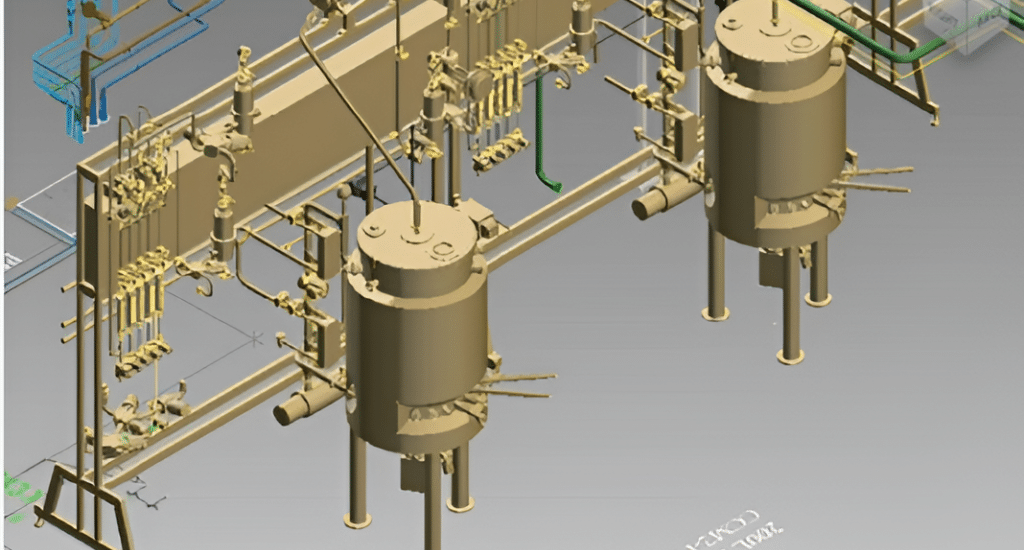
Modern technology, including computer-aided design (CAD) and virtual reality (VR), can enhance facility design. These tools allow for more precise planning and simulation of workflows, enabling stakeholders to visualize the facility before construction begins. Additionally, technology can support compliance by enabling easier documentation and traceability.
Continuous Improvement Mindset
The pharmaceutical landscape is ever-evolving, and designs must accommodate new technologies and processes. Implementing a continuous improvement mindset allows facilities to adapt to changing conditions, such as increased production demands or new regulations. Design consultants should build flexibility into facility designs to accommodate future upgrades or changes in processes.
Employee Training and Engagement
A well-designed facility is only as good as the people who operate it. Engaging employees during the design phase can provide valuable insights into practical workflow considerations. Comprehensive training programs should also be established to ensure staff is fully equipped to operate within the designed environment safely and efficiently.
Challenges in Pharmaceutical Manufacturing Facility Design
Regulatory Complexity
Navigating the myriad of regulations that govern pharmaceutical manufacturing is a daunting task. Consultants must stay current on regulatory changes and ensure that all designs meet not only current standards but also anticipate future regulations. This requires extensive knowledge and adaptability, as regulations can differ significantly by region.
Balancing Costs and Quality
Cost control is a perennial challenge in facility design. While investing in top-quality materials and technology is essential for compliance and efficiency, it must be balanced with budget constraints. Consultants must employ cost-effective strategies while ensuring that quality is never compromised, which can be a delicate balancing act.
Rapid Technological Advancements
The pharmaceutical industry is experiencing rapid technological advancements, from automation to data analytics. Consultants face the challenge of integrating these technologies into facility designs without disrupting existing workflows. Staying abreast of technological trends and understanding how they can be incorporated into design is essential for consultants in this field.
Talent Shortages
The demand for highly skilled professionals in pharmaceutical design consulting is increasing, making talent shortages a concern. This can impact project timelines and the overall quality of the design. Organizations must invest in training and development programs to cultivate talent within their teams, ensuring that they are prepared to meet the future demands of the industry.
Conclusion
The elements discussed are critical to understanding the complexities surrounding pharmaceutical manufacturing facility design consulting. Engaging with experienced consultants can significantly enhance the likelihood of successful project outcomes, aligned with industry standards and best practices. As the industry continues to evolve, the role of design consulting will become even more crucial in ensuring that facilities are not only compliant and efficient but also ready to adapt to the needs of the future.
Related Posts
 Why the Nigerian pharmaceutical sector is ripe for local manufacturing investment
 Why pharmaceutical manufacturing is migrating to the Ogun State special zones
 Pharmaceutical Market Access Consulting Product Launch
 Pharmaceutical Technology Transfer Manufacturing Process
 How the Lekki Free Trade Zone is redefining manufacturing in West Africa
 How the Aba industrial cluster is leading the Made in Nigeria manufacturing movement
 Why the Enyimba Economic City represents the future of SME scale manufacturing
 The rise of private equity interest in the Anambra manufacturing sector