
Tapping into Deltaʼs Oil and Gas Ecosystem with Government Backing
- Posted by: PSL
- Categories: BRICS News, Financial Management, Human Resources and Talent Management, International Business and Market Entry, Marketing and Sales, News Blog, Operations and Process Improvement, Organizational Development, Risk Management and Compliance, Strategy and Planning, Technology and Digital Transformation
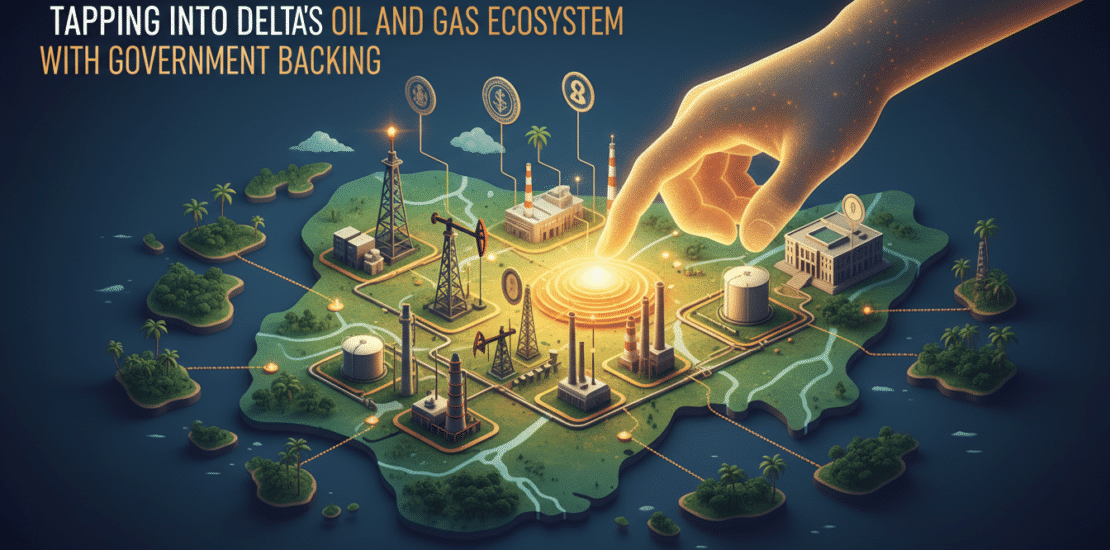
Tapping into Deltaʼs Oil and Gas Ecosystem with Government Backing: A Promise of Prosperity or a Pathway to Peril?
The Niger Delta, a region synonymous with both ecological fragility and immense hydrocarbon wealth, finds itself at a critical juncture. The Nigerian government, acutely aware of the nation’s economic dependence on oil and gas, is increasingly prioritizing strategies to maximize production and revenue generation from this vital resource base. This has led to renewed focus and significant government backing for initiatives aimed at “tapping into” the Delta’s oil and gas ecosystem. While proponents herald this approach as a crucial step towards economic diversification, job creation, and infrastructure development, critics warn of exacerbating existing environmental degradation, social inequalities, and potential for corruption and conflict. This article will delve into the complexities of this issue, examining the potential benefits, inherent risks, and the crucial role of government regulation and community engagement in shaping the future of the Niger Delta’s oil and gas sector.
The Untapped Potential: A Resource Goldmine Awaiting Excavation
Nigeria’s proven oil reserves are estimated to be the largest in Africa and the tenth largest globally, with a significant proportion located within the Niger Delta region. These reserves represent a substantial source of revenue and a potential engine for national development. However, years of underinvestment, infrastructural decay, and security concerns have hampered the full exploitation of this potential. The current government, driven by the urgent need for economic growth and diversification away from reliance on crude oil exports, has identified enhanced exploration and production in the Delta as a strategic priority.
This "tapping in" involves a multi-pronged approach, encompassing several key areas:
-
Attracting Foreign Investment: The government actively seeks to attract foreign investment in the oil and gas sector through various incentives, including tax breaks, streamlined regulatory processes, and improved security measures. This investment is crucial for funding large-scale exploration projects, developing new infrastructure, and deploying advanced technologies for extraction and processing. The Petroleum Industry Act (PIA), passed in 2021, is touted as a significant step in this direction, promising greater clarity, efficiency, and transparency in the sector to attract both domestic and international investors.
-
Revitalizing Existing Infrastructure: Decades of neglect and militant activity have resulted in a dilapidated infrastructure network, hindering production and distribution efficiency. Government initiatives focus on rehabilitating pipelines, upgrading refineries, and constructing new storage facilities. This revitalization aims to reduce losses due to pipeline vandalism, improve processing capacity, and ensure a more reliable supply of petroleum products. The Dangote Refinery, a privately owned project, is also expected to significantly contribute to the nation’s refining capacity, potentially reducing dependence on imported refined petroleum products.
-
Promoting Indigenous Participation: The government emphasizes the importance of increasing indigenous participation in the oil and gas sector. This includes encouraging the development of local content, providing training and employment opportunities for local communities, and promoting the participation of Nigerian companies in various aspects of the value chain, from exploration and production to processing and distribution. The goal is to ensure that the benefits of the oil and gas industry are more equitably distributed and contribute to the sustainable development of the region.
- Exploration of Marginal Fields: Marginal fields, which are smaller and often less profitable oil and gas blocks, are being actively promoted for development. These fields are typically operated by indigenous companies, providing them with opportunities to gain experience and expertise in the oil and gas sector. The government believes that developing these marginal fields can contribute significantly to increasing national production and fostering the growth of local businesses.
The government’s rationale is clear: unlocking the full potential of the Niger Delta’s oil and gas resources can generate substantial revenue, create jobs, and fuel economic growth. However, the path to achieving this vision is fraught with challenges and potential pitfalls.
The Dark Side of the Boom: Environmental Degradation, Social Injustice, and the Scourge of Corruption
The history of oil exploration and production in the Niger Delta is inextricably linked to environmental degradation, social injustice, and pervasive corruption. Decades of unchecked exploitation have left a legacy of pollution, poverty, and conflict. The government’s renewed focus on "tapping into" the region’s oil and gas ecosystem raises serious concerns about the potential for exacerbating these existing problems.
-
Environmental Devastation: Oil spills, gas flaring, and improper waste disposal have caused widespread environmental damage, contaminating water sources, destroying agricultural land, and threatening biodiversity. The Niger Delta is considered one of the most polluted regions in the world. Increased oil and gas activity without adequate environmental safeguards could lead to even greater ecological devastation, jeopardizing the livelihoods and health of local communities. Gas flaring, a particularly egregious practice, contributes significantly to greenhouse gas emissions and has been linked to respiratory illnesses and other health problems. While the PIA aims to address gas flaring, its effective implementation remains a critical concern.
-
Social Inequality and Conflict: The vast wealth generated by the oil and gas industry has largely bypassed local communities, exacerbating social inequalities and fueling conflict. The Niger Delta is characterized by high levels of poverty, unemployment, and lack of access to basic services, despite the region’s immense oil wealth. The sense of injustice and marginalization has led to widespread resentment and unrest, often manifested in acts of sabotage, pipeline vandalism, and kidnapping. Unless the government addresses these underlying social and economic issues, increased oil and gas activity could further inflame tensions and destabilize the region.
-
Corruption and Lack of Transparency: The oil and gas sector in Nigeria has long been plagued by corruption and lack of transparency. Opaque contracting processes, illicit financial flows, and mismanagement of resources have undermined the potential benefits of the industry and fueled public distrust. The PIA aims to improve transparency and accountability in the sector, but its effectiveness will depend on robust enforcement and independent oversight. Without tackling corruption effectively, increased oil and gas activity could simply enrich a few individuals at the expense of the environment and the local population.
- Displacement and Resettlement: Oil and gas development often requires the displacement of local communities from their ancestral lands. Inadequate compensation and resettlement programs can lead to further impoverishment and social disruption. It is crucial that any displacement is conducted in a fair and transparent manner, with full consultation and participation of the affected communities.
The government’s commitment to "tapping into" the Niger Delta’s oil and gas ecosystem must be balanced with a genuine commitment to addressing these environmental and social challenges. Failure to do so could have disastrous consequences for the region and the nation as a whole.
The Path Forward: Sustainable Development Through Responsible Governance and Community Engagement
Tapping into the Niger Delta’s oil and gas ecosystem can be a catalyst for economic growth and development, but only if it is done responsibly and sustainably. This requires a fundamental shift in approach, prioritizing environmental protection, social justice, and good governance.
-
Strengthening Environmental Regulations and Enforcement: The government must strengthen environmental regulations and ensure their effective enforcement. This includes implementing strict standards for oil spill prevention and response, eliminating gas flaring, and promoting the adoption of cleaner technologies. Independent monitoring and oversight are crucial to ensure compliance and hold companies accountable for their environmental performance. The establishment of an independent environmental regulator with the power to impose sanctions on companies that violate environmental regulations is essential.
-
Promoting Social Inclusion and Community Development: The government must prioritize social inclusion and community development. This includes ensuring that local communities benefit directly from oil and gas revenue through targeted development programs, job creation initiatives, and investment in education and healthcare. Community engagement and participation in decision-making processes are crucial to ensure that development projects are aligned with local needs and priorities. The Petroleum Industry Act (PIA) includes provisions for a Host Community Development Trust, which is intended to ensure that communities directly benefit from oil and gas activities. However, the effective implementation of this trust and the transparency of its operations will be critical to its success.
-
Combating Corruption and Enhancing Transparency: The government must take decisive action to combat corruption and enhance transparency in the oil and gas sector. This includes strengthening anti-corruption laws, promoting open contracting processes, and ensuring independent audits of oil and gas revenues. Whistleblower protection is essential to encourage the reporting of corruption and wrongdoing. The implementation of the Extractive Industries Transparency Initiative (EITI) standards can help to improve transparency and accountability in the sector.
-
Diversifying the Economy and Promoting Alternative Livelihoods: Over-reliance on oil and gas has made the Niger Delta vulnerable to price fluctuations and environmental degradation. The government must promote economic diversification and create alternative livelihoods for local communities. This includes investing in agriculture, fisheries, tourism, and other sectors that can provide sustainable employment opportunities. Skills development and training programs are essential to equip local communities with the skills needed to participate in these alternative sectors.
-
Investing in Renewable Energy: While oil and gas will likely remain a significant source of revenue for Nigeria in the short to medium term, the government must also invest in renewable energy sources, such as solar, wind, and hydropower. This can help to reduce the country’s reliance on fossil fuels, mitigate climate change, and provide access to clean and affordable energy for local communities.
- Addressing Security Concerns: Security concerns in the Niger Delta have hampered oil and gas production and hindered development efforts. The government must address these concerns through a combination of security measures, community engagement, and addressing the underlying causes of conflict. This includes strengthening security forces, promoting dialogue and reconciliation, and providing economic opportunities for young people.
Tapping into the Niger Delta’s oil and gas ecosystem can be a transformative opportunity for the region and the nation, but only if it is done in a responsible and sustainable manner. The government must play a leading role in ensuring that this happens, by strengthening environmental regulations, promoting social inclusion, combating corruption, and fostering community engagement. The future of the Niger Delta depends on it. This also requires a collaborative approach involving the government, oil companies, local communities, and civil society organizations. Only through genuine partnership and shared responsibility can the region’s oil and gas resources be harnessed for the benefit of all.
Related Posts
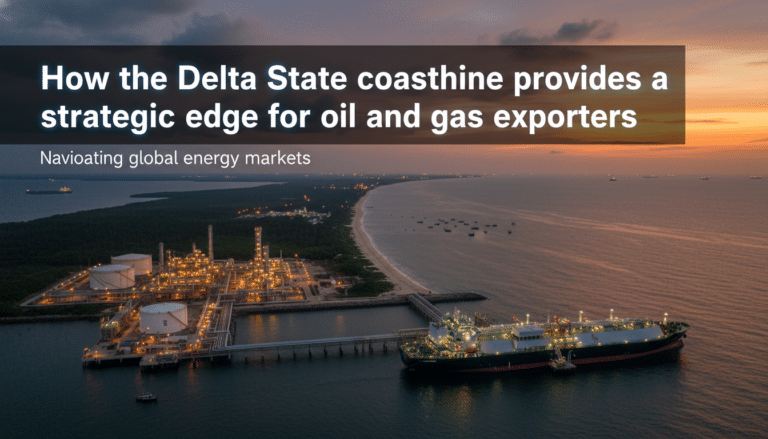 How the Delta State coastline provides a strategic edge for oil and gas exporters
 The Case for Building a Gas-Powered Data Center in Delta State
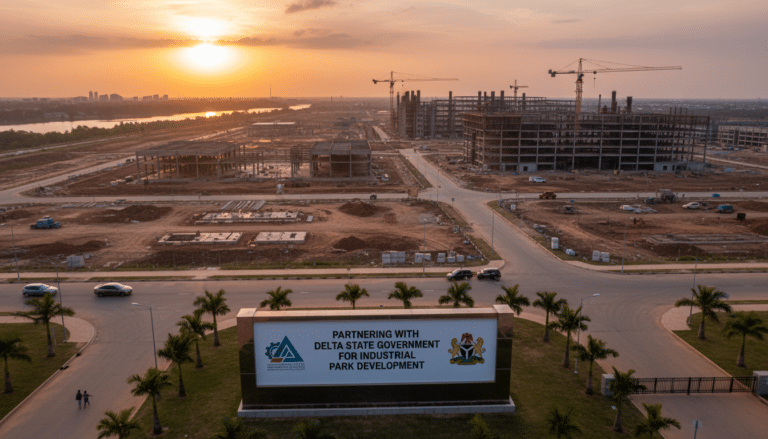 Partnering with Delta State Government for Industrial Park Development
 Delta Stateʼs Gas Reserves A Foundation for New Age Industries
 Investing in Deltaʼs Hospitality Sector Under a Pro-Business Government
 Why data center operators should leverage Delta State gas powered energy grids
 The case for establishing independent power plants near Delta gas reserves
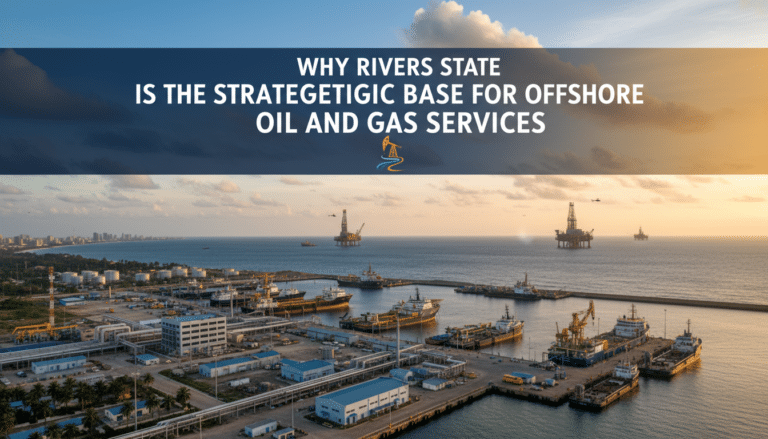 Why Rivers State is the strategic base for offshore oil and gas services