

The Rise of BRICS and the Redefinition of African Trade
- Posted by: PSL
- Categories: BRICS News, Financial Management, Human Resources and Talent Management, International Business and Market Entry, Marketing and Sales, News Blog, Operations and Process Improvement, Organizational Development, Risk Management and Compliance, Strategy and Planning, Technology and Digital Transformation
Introduction
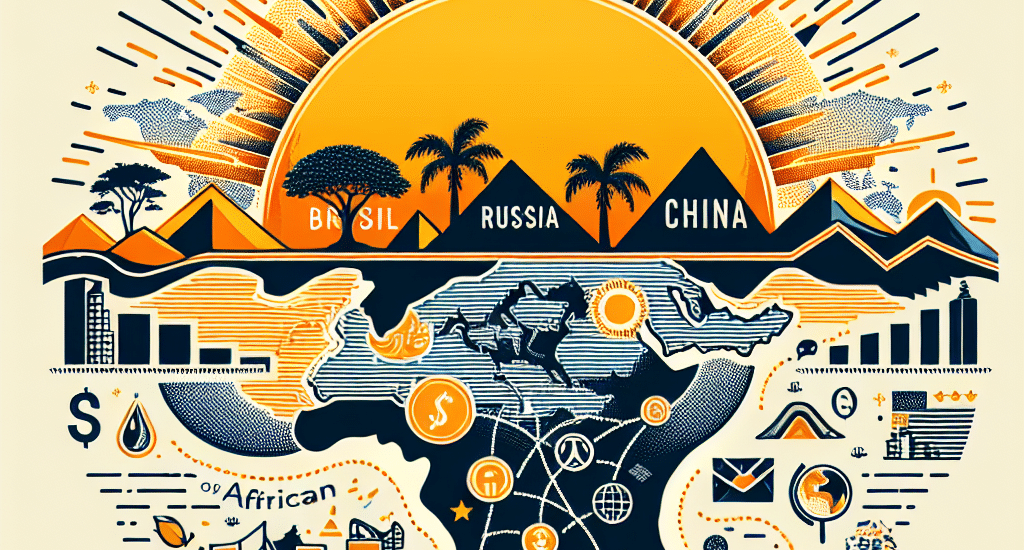
The BRICS coalition, composed of Brazil, Russia, India, China, and South Africa, has emerged as a significant player in the global economic landscape since its formation in the mid-2000s. This grouping represents a diverse array of countries, each contributing unique strengths and perspectives. With the recent expansion of BRICS to include additional countries, its influence on the global trade system, particularly in Africa, is becoming even more pronounced. This rise is not merely a matter of political posturing; it reflects deep economic interactions that are transforming African trade patterns.
The Emergence of BRICS
Initially founded as a platform for dialogue and cooperation among emerging economies, BRICS has evolved into a powerful bloc that wields considerable clout in international affairs. Over the past two decades, the global economic balance has shifted, leading to an increased focus on the Global South’s role in shaping trade dynamics. The members of BRICS share a vision of multipolarity, advocating for a more balanced and equitable global trading system.
The influence of BRICS can be traced back to the 2008 global financial crisis, which exposed vulnerabilities in the West-dominated economic system. The need for diversification and alternative trading partnerships became apparent, leading countries like South Africa to bolster ties with BRICS nations. This coalition presents an alternative model for trade and investment that prioritizes mutual development over traditional Western-centric approaches.
Economic Landscape of Africa
Africa’s economic landscape is diverse, with varying levels of development and resource endowments across the continent. The African Continental Free Trade Area (AfCFTA), established in 2021, is a key initiative aimed at enhancing intra-African trade, reducing barriers, and increasing the continent’s attractiveness to global investors. As such, the BRICS nations play a pivotal role in supporting these objectives through direct investment, trade partnerships, and capacity-building initiatives.
China, as a leading member of BRICS, has particularly intensified its engagement in Africa in recent years. Since the early 2000s, Chinese investments in Africa have surged, with infrastructure projects and resource extraction driving this growth. This engagement has coincided with the continent’s aspirations for industrialization and economic diversification. BRICS, through its collaborative model, emphasizes shared benefits, often aligning its investments with African development goals.
BRICS and Trade Patterns in Africa
The BRICS countries are redefining the trade patterns in Africa by creating new opportunities and partnerships. The traditional trade relationships have been dominated by the West, primarily through colonial legacies and established economic ties. However, the BRICS coalition is facilitating a shift toward more balanced trade relationships.
Trade Volume and Investment
The trade volume between BRICS nations and Africa has seen remarkable growth. China has emerged as Africa’s largest trading partner, surpassing the United States and the European Union by a significant margin. This expanding trade relationship includes a wide array of sectors, including telecommunications, energy, agriculture, and construction.
India, too, has increased its presence in African markets, focusing on agriculture, pharmaceuticals, and information technology. Brazil, with its expertise in agriculture and natural resource management, is forging partnerships that emphasize sustainable development. Russia brings its strengths in energy and military cooperation, filling gaps that Western firms previously dominated.
Diversification of Markets
The rise of BRICS has opened new markets for African goods and services. African nations are increasingly exporting minerals, agricultural products, and textiles to BRICS countries, thereby diversifying their trade partners. This diversification reduces the over-reliance on traditional Western markets, which have often been subject to volatility.
Moreover, BRICS nations are keen to explore Africa’s vast resources, aligning their economic interests with African countries’ developmental goals. For instance, initiatives such as China’s Belt and Road Initiative (BRI) seek to enhance infrastructure connectivity, which is crucial for boosting trade efficiency.
Strategic Investments
BRICS is not merely about trade; it encompasses strategic investments that align with African priorities. Many African nations are at various stages of implementing ambitious infrastructure and industrialization plans. The coalition’s member states are well-positioned to provide the technology and financing needed for these projects. For example, Chinese construction firms are heavily involved in infrastructure projects across Africa, building roads, railways, and ports. These projects are integral to enhancing trade efficiency and connectivity within the continent and beyond.
Financial Mechanisms
BRICS has developed various financial institutions to support trade and investment in member nations and beyond. The New Development Bank (NDB), for instance, was established to provide funding for development projects, especially in emerging economies. African countries can utilize this funding to strengthen their infrastructure and boost competitiveness.
Additionally, the BRICS Contingent Reserve Arrangement (CRA) offers financial stability for member states through a network of currency swaps. This mechanism can serve African nations facing external shocks or currency fluctuations, allowing them to maintain stability while engaging with the global market.
The Role of Technology in Trade
Technology is a vital aspect of the trade transformation propelled by BRICS. Digital trade and innovation are reshaping the way African countries interact with their BRICS partners and the global marketplace. E-commerce, fintech, and digital infrastructure are key areas of focus.
China’s technology firms are at the forefront of influencing this digital landscape in Africa. By providing technological solutions and infrastructure, these companies are helping African nations leapfrog traditional development stages. Innovations in mobile banking, for example, have transformed how African populations engage with financial services, creating opportunities for commerce in underserved markets.
Furthermore, the sharing of expertise and technology transfer between BRICS countries and Africa enhances the continent’s capacity to engage in global trade. Training programs, partnerships, and joint ventures in technology provision can lead to lasting impacts on productivity and competitiveness.
Challenges Ahead
While the rise of BRICS presents significant opportunities for African trade, it is not without challenges. Dependency on external partnerships can lead to vulnerabilities, particularly if investments fail to align with local needs. Furthermore, governance issues within some African nations may hinder the realization of the mutual benefits envisioned in BRICS partnerships.
The competition among BRICS members for influence in Africa can also lead to fragmented strategies, complicating the efforts for cohesive continental development. Additionally, transparency and accountability in procurement processes for BRICS-funded projects must be ensured to avoid corruption and mismanagement.
Sociopolitical Dimensions
The geopolitical landscape associated with the rise of BRICS impacts African trade and partnerships in more ways than one. Africa’s strategic significance in global geopolitics is increasingly recognized as global powers vie for influence. The dynamics between Western nations and BRICS members often shape Africa’s external relations and trade policies.
African nations must navigate these complex geopolitical waters carefully. Balancing relationships with both BRICS nations and traditional Western partners will require astute diplomacy. The challenge lies in ensuring that African countries are not merely passive recipients of foreign investments but active participants in shaping the policymaking processes that affect their economies.
Conclusion
The rise of BRICS signifies a transformative shift in global trade dynamics, particularly for Africa. By fostering collaboration through mutual interests, BRICS is redefining the continent’s trade landscape. As African nations engage with this emerging coalition, the opportunities for economic growth, sustainable development, and technological advancement are vast. However, navigating the challenges and ensuring that partnerships align with African priorities will be crucial for maximizing the benefits of this new trade paradigm.