

The ROI of cassava value addition and ethanol production in Oyo State
- Posted by: PSL
- Categories: BRICS News, Financial Management, Human Resources and Talent Management, International Business and Market Entry, Marketing and Sales, News Blog, Operations and Process Improvement, Organizational Development, Risk Management and Compliance, Strategy and Planning, Technology and Digital Transformation
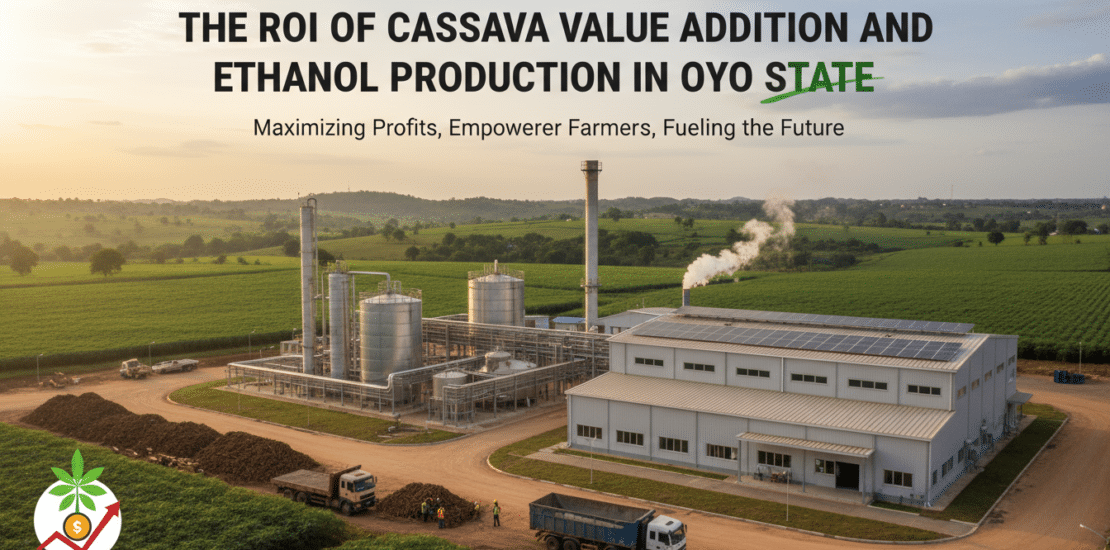
The ROI of Cassava Value Addition and Ethanol Production in Oyo State
Oyo State, known for its fertile land and agricultural prowess, possesses significant potential for economic growth through strategic investments in cassava value addition and ethanol production. Cassava, a staple crop widely cultivated in the state, presents a compelling opportunity to diversify the economy, create jobs, and enhance the livelihoods of farmers. This article delves into the potential return on investment (ROI) of cassava value addition and ethanol production in Oyo State, examining the various factors that contribute to its profitability and the socio-economic benefits it can generate.
Cassava Production in Oyo State: A Foundation for Growth
Oyo State boasts a conducive environment for cassava cultivation. The favorable climate, ample rainfall, and suitable soil conditions contribute to high yields. Cassava cultivation is primarily undertaken by smallholder farmers who constitute a significant portion of the agricultural workforce. The existing infrastructure, including transportation networks, while needing improvement, provides a basic framework for moving cassava from farms to processing centers. Furthermore, the established market for cassava products, both within and outside the state, provides a ready demand for processed goods.
However, challenges persist. Traditional farming practices often result in lower yields than optimal. Post-harvest losses are significant due to inadequate storage facilities and inefficient transportation. Limited access to financing and modern technologies hinders the adoption of improved farming techniques. Overcoming these challenges is crucial to maximizing the potential of cassava production and ensuring a consistent supply of raw materials for value addition and ethanol production.
Value Addition Opportunities: Beyond Traditional Uses
Traditionally, cassava in Oyo State is primarily consumed as "fufu," "garri," and "lafun." While these are important food sources, they represent a relatively low-value use of the crop. Diversifying cassava processing into higher-value products significantly enhances its economic potential. Key value addition opportunities include:
-
High-Quality Cassava Flour (HQCF): HQCF is a versatile ingredient that can substitute or partially substitute wheat flour in various food products, including bread, pastries, and noodles. Nigeria’s growing population and increasing demand for processed foods create a significant market for HQCF. Producing HQCF locally reduces reliance on imported wheat, saving foreign exchange and supporting local farmers. The ROI for HQCF production is attractive, driven by the high demand and potential for import substitution. Investments in modern milling equipment and quality control measures are critical to achieving high-quality flour that meets market standards.
-
Cassava Starch: Cassava starch has numerous industrial applications, including use in the paper, textile, adhesive, and pharmaceutical industries. The growing industrial sector in Nigeria and neighboring countries creates a steady demand for cassava starch. Investing in cassava starch production requires specialized equipment and technical expertise. However, the high market value of starch and its diverse applications make it a profitable venture. Developing partnerships with industries that utilize starch is crucial to securing a consistent market for the product.
-
Cassava Chips and Pellets: Cassava chips and pellets are used as animal feed and as raw materials for other industrial processes. The expanding livestock industry in Nigeria and the global demand for animal feed create a strong market for cassava chips and pellets. Producing cassava chips and pellets requires relatively simple processing techniques and equipment. This makes it an accessible entry point for small and medium-sized enterprises. Developing efficient drying and storage methods is essential to maintaining the quality of the chips and pellets.
- Modified Cassava Starch: Modified cassava starch possesses enhanced properties that make it suitable for specific industrial applications, such as in the food and beverage industry. The production of modified starch requires specialized equipment and technical expertise. However, the higher value of modified starch and its growing demand in various industries make it a profitable investment.
Ethanol Production: Fueling Economic Growth and Sustainability
Ethanol production from cassava presents a significant opportunity to diversify the energy sector, reduce reliance on fossil fuels, and create a sustainable source of biofuel. Nigeria currently imports a significant portion of its fuel needs, placing a strain on its foreign exchange reserves. Ethanol produced from cassava can be blended with gasoline to create "E10" or "E85" fuel, reducing the need for imported gasoline and supporting local farmers. The ROI for ethanol production is influenced by factors such as the cost of cassava, the efficiency of the production process, and the market price of ethanol.
Several factors support the feasibility of ethanol production in Oyo State:
-
Abundant Cassava Supply: Oyo State’s high cassava production provides a readily available feedstock for ethanol production. Ensuring a consistent and reliable supply of cassava is crucial to the economic viability of an ethanol plant. Contract farming arrangements with local farmers can help guarantee a stable supply of raw materials.
-
Government Support: The Nigerian government has expressed support for the development of the biofuel industry. Government policies, such as subsidies and tax incentives, can significantly enhance the profitability of ethanol production. Advocacy for favorable government policies is essential to creating a conducive environment for investment in ethanol production.
-
Environmental Benefits: Ethanol production from cassava offers significant environmental benefits. It reduces greenhouse gas emissions compared to gasoline and promotes sustainable agriculture. The production of ethanol from cassava can contribute to Nigeria’s efforts to combat climate change.
- Job Creation: The establishment of ethanol plants in Oyo State would create numerous jobs in agriculture, processing, and transportation. This would contribute to reducing unemployment and improving the livelihoods of local communities.
Factors Influencing ROI: A Detailed Analysis
The ROI of cassava value addition and ethanol production in Oyo State is influenced by a complex interplay of factors. A thorough understanding of these factors is crucial for investors to make informed decisions and maximize their returns.
-
Cost of Raw Materials: The price of cassava is a major determinant of the profitability of processing ventures. Fluctuations in cassava prices can significantly impact the ROI. Establishing long-term contracts with farmers and investing in improved cassava varieties can help mitigate price volatility. Efficient transportation and storage infrastructure are also essential to minimizing post-harvest losses and reducing the cost of raw materials.
-
Processing Efficiency: The efficiency of the processing plant is critical to maximizing the yield and minimizing waste. Investing in modern equipment and employing skilled personnel are essential to achieving high processing efficiency. Implementing quality control measures at every stage of the process is also crucial to ensuring the production of high-quality products.
-
Market Demand and Pricing: The demand for processed cassava products and ethanol is a major driver of profitability. Conducting thorough market research is essential to identifying target markets and determining optimal pricing strategies. Developing strong marketing and distribution networks is crucial to reaching consumers and securing market share.
-
Operating Costs: Operating costs, including labor, energy, and maintenance, can significantly impact the ROI. Implementing cost-saving measures and optimizing operational efficiency are essential to maximizing profitability. Exploring alternative energy sources, such as biomass, can help reduce energy costs and promote sustainability.
-
Government Policies and Regulations: Government policies and regulations can significantly influence the profitability of cassava value addition and ethanol production. Favorable government policies, such as subsidies, tax incentives, and import restrictions, can enhance the ROI. Compliance with environmental regulations is also essential to ensuring the long-term sustainability of the ventures.
-
Financing Costs: Access to affordable financing is crucial for investing in cassava value addition and ethanol production. High financing costs can significantly reduce the ROI. Exploring various financing options, such as bank loans, equity investments, and government grants, is essential to securing funding at competitive rates.
- Infrastructure Development: Adequate infrastructure, including transportation networks, electricity supply, and water resources, is essential for supporting cassava value addition and ethanol production. Investing in infrastructure development can significantly enhance the ROI by reducing transportation costs, improving processing efficiency, and ensuring a reliable supply of utilities.
Socio-Economic Benefits: Beyond Financial Returns
The benefits of cassava value addition and ethanol production in Oyo State extend beyond financial returns. These ventures can generate significant socio-economic benefits for local communities.
-
Job Creation: The establishment of processing plants and ethanol plants would create numerous jobs in agriculture, processing, and transportation. This would contribute to reducing unemployment and improving the livelihoods of local communities.
-
Increased Income for Farmers: Value addition and ethanol production can increase the demand for cassava, leading to higher prices for farmers. This would boost their income and improve their standard of living.
-
Rural Development: Investments in cassava value addition and ethanol production can stimulate economic activity in rural areas, leading to improved infrastructure, access to education, and healthcare services.
-
Environmental Sustainability: Ethanol production from cassava promotes sustainable agriculture and reduces greenhouse gas emissions. This contributes to environmental sustainability and helps combat climate change.
- Food Security: Value addition can improve food security by diversifying the food supply and reducing reliance on imported foods.
Challenges and Mitigation Strategies:
Despite the immense potential, cassava value addition and ethanol production in Oyo State face certain challenges that need to be addressed:
-
Inconsistent Cassava Supply: Fluctuations in cassava yields due to weather conditions and pests can disrupt the supply chain. Mitigation strategies include promoting drought-resistant cassava varieties, implementing integrated pest management practices, and providing farmers with access to irrigation.
-
Inadequate Infrastructure: Poor transportation networks, unreliable electricity supply, and inadequate storage facilities can hinder the development of processing industries. Mitigation strategies include investing in infrastructure development, promoting the use of renewable energy sources, and providing farmers with access to improved storage technologies.
-
Lack of Technical Expertise: A shortage of skilled personnel can limit the efficiency of processing plants. Mitigation strategies include providing training programs for local workers, partnering with universities and research institutions, and attracting skilled workers from other regions.
-
Access to Financing: Limited access to affordable financing can hinder the growth of processing industries. Mitigation strategies include promoting access to microfinance, establishing credit guarantee schemes, and attracting foreign investment.
- Competition from Imports: Competition from imported processed cassava products and ethanol can undermine the profitability of local industries. Mitigation strategies include implementing import restrictions, promoting the consumption of locally produced products, and enhancing the competitiveness of local industries.
Recommendations for Maximizing ROI:
To maximize the ROI of cassava value addition and ethanol production in Oyo State, the following recommendations are crucial:
-
Promote Improved Cassava Varieties: Encourage farmers to adopt high-yielding and disease-resistant cassava varieties to increase production and ensure a consistent supply of raw materials.
-
Invest in Infrastructure Development: Prioritize investments in transportation networks, electricity supply, and storage facilities to improve processing efficiency and reduce post-harvest losses.
-
Provide Training and Technical Assistance: Offer training programs for farmers and processing plant workers to enhance their skills and improve the quality of their products.
-
Facilitate Access to Financing: Establish credit guarantee schemes and promote access to microfinance to enable small and medium-sized enterprises to invest in cassava value addition and ethanol production.
-
Promote Value Chain Integration: Encourage collaboration between farmers, processors, and marketers to create a more efficient and sustainable cassava value chain.
-
Develop Strong Marketing and Distribution Networks: Invest in marketing and distribution infrastructure to reach consumers and secure market share for processed cassava products and ethanol.
-
Advocate for Favorable Government Policies: Work with government agencies to develop and implement policies that support the development of the cassava value addition and ethanol industries.
- Promote Research and Development: Invest in research and development to develop new and innovative cassava-based products and improve processing technologies.
The strategic development of cassava value addition and ethanol production in Oyo State presents a compelling pathway towards sustainable economic growth and enhanced livelihoods. By addressing the challenges and implementing the recommended strategies, Oyo State can unlock the full potential of its cassava resources and reap the substantial rewards of a thriving cassava-based economy.