

The role of PharmSource in de-risking Nigerian market entry for foreign firms
- Posted by: PSL
- Categories: BRICS News, Financial Management, Human Resources and Talent Management, International Business and Market Entry, Marketing and Sales, News Blog, Operations and Process Improvement, Organizational Development, Risk Management and Compliance, Strategy and Planning, Technology and Digital Transformation
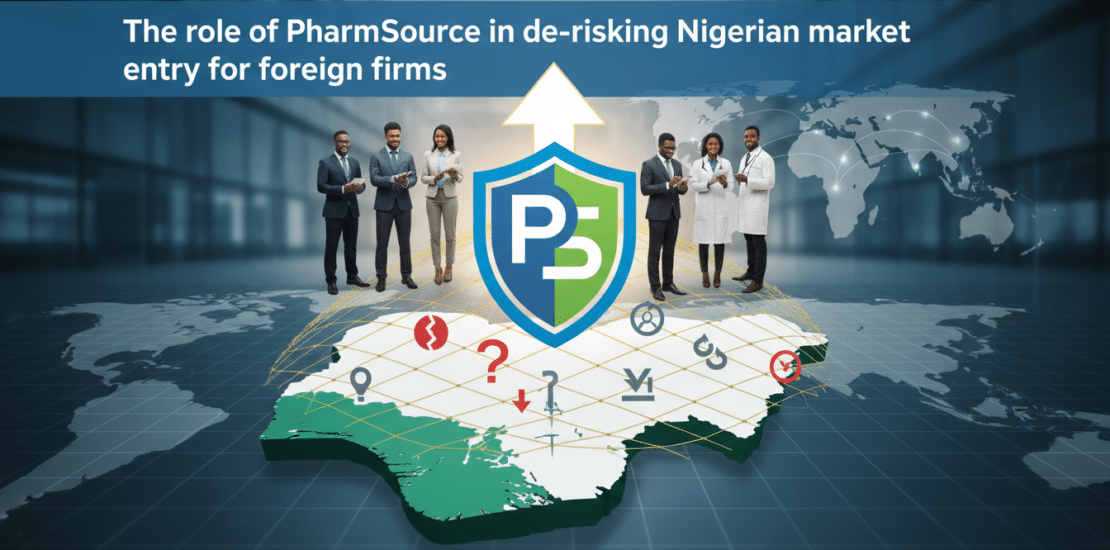
The Role of PharmSource in De-risking Nigerian Market Entry for Foreign Firms
The Nigerian pharmaceutical market, with its vast population, growing healthcare awareness, and increasing disposable incomes, presents a significant opportunity for foreign pharmaceutical firms. However, this attractive market is also fraught with complexities and inherent risks, including regulatory hurdles, counterfeiting, supply chain inefficiencies, and a fragmented distribution network. For foreign companies unfamiliar with the Nigerian landscape, these challenges can be daunting and significantly increase the cost and time associated with market entry. This is where PharmSource, a specialized consulting and market access firm, plays a pivotal role in de-risking the Nigerian market entry process for foreign pharmaceutical businesses.
PharmSource offers a range of services designed to navigate the complexities of the Nigerian pharmaceutical market, providing foreign companies with the knowledge, resources, and on-the-ground support necessary to successfully launch and grow their operations. Their expertise spans regulatory compliance, market research, distribution network development, government relations, and local partner identification, effectively mitigating many of the risks associated with entering the Nigerian market.
Understanding the Nigerian Pharmaceutical Market Risks
Before delving into PharmSource’s role, it’s crucial to understand the specific risks that foreign firms face when entering the Nigerian pharmaceutical market:
-
Regulatory Complexity: The regulatory framework governing pharmaceuticals in Nigeria is complex and constantly evolving. The National Agency for Food and Drug Administration and Control (NAFDAC) is the primary regulatory body responsible for ensuring the safety, efficacy, and quality of pharmaceutical products. Navigating NAFDAC’s registration processes, complying with labelling requirements, and adhering to Good Manufacturing Practices (GMP) standards can be challenging for foreign companies unfamiliar with local regulations. Delays in registration and approval can significantly impact market entry timelines and increase costs.
-
Counterfeiting and Substandard Products: The prevalence of counterfeit and substandard pharmaceutical products is a significant concern in Nigeria. This poses a serious threat to public health, undermines the reputation of legitimate pharmaceutical companies, and erodes consumer trust. Foreign companies must implement robust strategies to combat counterfeiting and protect their brands.
-
Supply Chain Inefficiencies: The Nigerian pharmaceutical supply chain is often characterized by inefficiencies, including fragmented distribution networks, inadequate storage facilities, and logistical challenges. These inefficiencies can lead to product damage, spoilage, and delays in delivery, ultimately impacting product availability and profitability.
-
Fragmented Distribution Network: The pharmaceutical distribution landscape in Nigeria is highly fragmented, with numerous wholesalers, retailers, and pharmacies operating across the country. Reaching the target market effectively requires establishing a reliable and efficient distribution network, which can be challenging for foreign companies lacking local expertise.
-
Pricing and Affordability: The Nigerian pharmaceutical market is highly price-sensitive, and affordability is a major concern for many consumers. Foreign companies must carefully consider their pricing strategies to ensure that their products are competitive and accessible to the target population.
-
Cultural and Language Barriers: Cultural differences and language barriers can also pose challenges for foreign companies operating in Nigeria. Understanding local customs, preferences, and communication styles is essential for building strong relationships with customers, partners, and government officials.
-
Government Relations and Policy Environment: Establishing positive relationships with government officials and staying abreast of policy changes are crucial for success in the Nigerian pharmaceutical market. Foreign companies must navigate the political landscape effectively and advocate for policies that support the growth of their businesses.
- Intellectual Property Rights (IPR) Enforcement: While Nigeria has laws in place to protect intellectual property rights, enforcement can be weak. Foreign companies must take proactive steps to protect their patents, trademarks, and other intellectual property assets from infringement.
PharmSource’s De-risking Strategies: A Detailed Overview
PharmSource addresses these risks through a multifaceted approach, providing foreign firms with customized solutions tailored to their specific needs and objectives. Here’s a detailed breakdown of their key de-risking strategies:
1. Regulatory Compliance and Market Access:
PharmSource’s deep understanding of NAFDAC regulations and registration processes is invaluable for foreign companies seeking to enter the Nigerian market. They provide comprehensive support, including:
-
Regulatory Landscape Analysis: A thorough assessment of the current regulatory environment, identifying relevant laws, regulations, and guidelines. This allows foreign companies to understand the compliance requirements and anticipate potential challenges.
-
Registration Strategy Development: PharmSource assists in developing a tailored registration strategy, outlining the necessary steps, timelines, and documentation requirements for obtaining NAFDAC approval. This streamlines the registration process and minimizes delays.
-
Dossier Preparation and Submission: They provide expert assistance in preparing and submitting the required documentation for NAFDAC registration, ensuring accuracy and completeness. This reduces the risk of rejection or delays due to incomplete or inaccurate information.
-
Liaison with NAFDAC: PharmSource acts as a liaison between the foreign company and NAFDAC, facilitating communication, addressing queries, and resolving any issues that may arise during the registration process. This ensures a smooth and efficient registration process.
- Post-Registration Compliance: They provide ongoing support to ensure compliance with NAFDAC regulations after registration, including pharmacovigilance reporting, quality control, and GMP compliance.
2. Market Research and Feasibility Studies:
Accurate and reliable market data is essential for making informed decisions about market entry. PharmSource conducts comprehensive market research and feasibility studies to provide foreign companies with the insights they need to assess the market potential and develop a successful market entry strategy. Their services include:
-
Market Size and Segmentation: Identifying the target market size, segmenting the market based on demographics, disease prevalence, and other relevant factors. This helps foreign companies to understand the market dynamics and identify potential opportunities.
-
Competitive Analysis: Analyzing the competitive landscape, identifying key competitors, their market share, pricing strategies, and distribution channels. This provides foreign companies with a benchmark for their own strategies.
-
Pricing and Reimbursement Analysis: Assessing the pricing environment and identifying appropriate pricing strategies based on affordability, competition, and reimbursement policies. This ensures that products are priced competitively and accessible to the target population.
-
Distribution Channel Analysis: Evaluating the different distribution channels and identifying the most effective channels for reaching the target market. This helps foreign companies to establish a reliable and efficient distribution network.
- Consumer Insights: Gathering insights into consumer preferences, attitudes, and behaviors related to pharmaceutical products. This helps foreign companies to tailor their marketing and sales strategies to resonate with the target audience.
3. Distribution Network Development:
Building a reliable and efficient distribution network is crucial for ensuring product availability and reaching the target market effectively. PharmSource assists foreign companies in developing and managing their distribution networks by:
-
Partner Identification and Due Diligence: Identifying potential distribution partners, conducting due diligence to assess their capabilities, reputation, and financial stability. This ensures that foreign companies partner with reputable and reliable distributors.
-
Contract Negotiation and Management: Assisting in negotiating and managing contracts with distributors, ensuring that the terms and conditions are favorable to the foreign company.
-
Supply Chain Optimization: Optimizing the supply chain to minimize inefficiencies, reduce costs, and ensure timely delivery of products. This involves streamlining logistics, improving inventory management, and implementing quality control measures.
-
Training and Support: Providing training and support to distribution partners on product handling, storage, and marketing. This ensures that products are handled properly and marketed effectively.
- Performance Monitoring: Monitoring the performance of distribution partners and implementing corrective actions as needed to ensure that they are meeting their contractual obligations.
4. Combating Counterfeiting:
PharmSource helps foreign companies to combat counterfeiting and protect their brands by:
-
Risk Assessment: Assessing the risk of counterfeiting for specific products and markets. This helps foreign companies to prioritize their anti-counterfeiting efforts.
-
Brand Protection Strategies: Developing and implementing brand protection strategies, including packaging innovations, track-and-trace technologies, and consumer awareness campaigns.
-
Collaboration with Regulatory Authorities: Collaborating with NAFDAC and other regulatory authorities to combat counterfeiting and enforce intellectual property rights.
-
Training and Education: Providing training and education to pharmacists, healthcare professionals, and consumers on how to identify counterfeit products.
- Monitoring and Enforcement: Monitoring the market for counterfeit products and taking legal action against counterfeiters.
5. Government Relations and Advocacy:
PharmSource helps foreign companies to navigate the political landscape and advocate for policies that support the growth of their businesses by:
-
Stakeholder Engagement: Identifying key government stakeholders and building relationships with them.
-
Policy Monitoring: Monitoring policy changes and assessing their potential impact on the pharmaceutical industry.
-
Advocacy and Lobbying: Advocating for policies that support the growth of the pharmaceutical industry and the interests of foreign companies.
- Public Relations: Managing public relations and building a positive image for the foreign company.
6. Cultural Adaptation and Localization:
PharmSource provides guidance on adapting products, marketing materials, and business practices to the Nigerian culture and language. This includes:
-
Translation and Localization: Translating marketing materials and product information into local languages.
-
Cultural Sensitivity Training: Providing training to employees on cultural sensitivities and communication styles.
-
Product Adaptation: Adapting products to meet local preferences and needs.
- Market Entry Strategy Tailoring: Developing a market entry strategy that is tailored to the specific cultural and economic context of Nigeria.
By providing these comprehensive services, PharmSource significantly de-risks the Nigerian market entry process for foreign pharmaceutical firms. They provide the necessary expertise, resources, and on-the-ground support to navigate the complexities of the market, comply with regulations, establish a robust distribution network, combat counterfeiting, and build strong relationships with stakeholders. This allows foreign companies to focus on their core competencies, such as product development and innovation, while PharmSource handles the complexities of market entry and operations. The result is a reduced risk profile, a faster time to market, and a greater likelihood of success in the promising, yet challenging, Nigerian pharmaceutical market.