
The Unique Advantage of Delta Stateʼs Peaceful and Welcoming Communities
- Posted by: PSL
- Categories: BRICS News, Financial Management, Human Resources and Talent Management, International Business and Market Entry, Marketing and Sales, News Blog, Operations and Process Improvement, Organizational Development, Risk Management and Compliance, Strategy and Planning, Technology and Digital Transformation
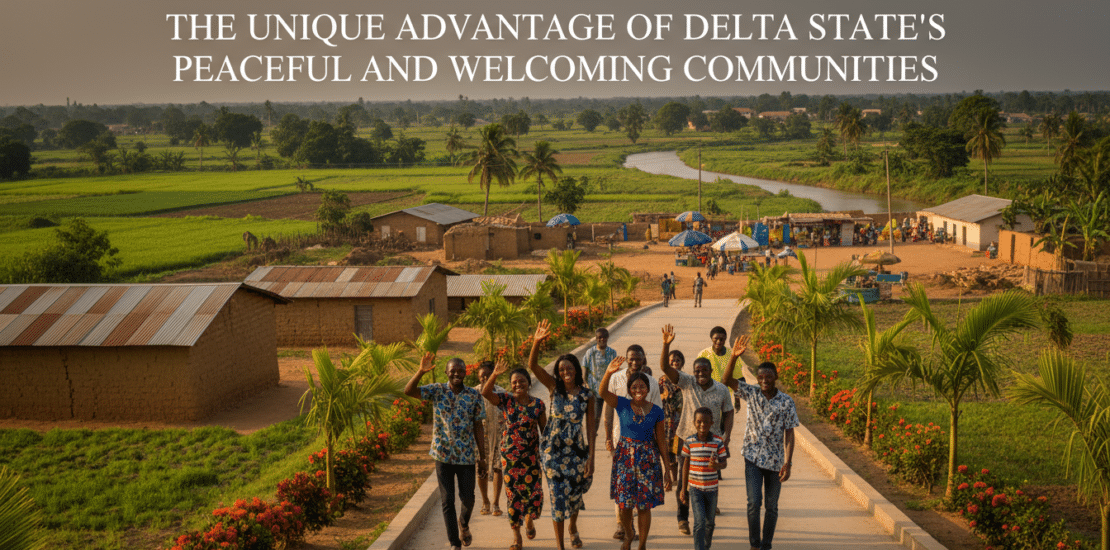
The Unique Advantage of Delta State’s Peaceful and Welcoming Communities: Fostering Growth, Attracting Investment, and Building a Sustainable Future
Delta State, nestled in the heart of Nigeria’s South-South geopolitical zone, boasts a richness far beyond its fertile lands and oil wealth. While natural resources have undoubtedly shaped its economic landscape, the true strength and unique advantage of Delta State lies in its peaceful and welcoming communities. This societal characteristic, often overlooked in narratives dominated by national politics or resource allocation, is a potent catalyst for growth, a magnet for investment, and the bedrock upon which a sustainable future can be built. This article explores the multifaceted nature of this advantage, delving into the historical context, the socio-cultural factors, the tangible benefits it brings, and the challenges that must be addressed to preserve and enhance it.
I. A Tapestry Woven with Tolerance: The Historical and Socio-Cultural Roots of Peace and Welcoming Attitudes
Understanding the peace and welcoming nature of Delta State requires a journey through its rich history and a deep dive into its diverse socio-cultural fabric. Unlike some regions in Nigeria that have experienced protracted inter-ethnic or inter-religious conflicts, Delta State, despite its ethnic plurality, has largely maintained a commendable level of social cohesion. This can be attributed to several factors, beginning with historical interactions and trading practices.
Historically, the various ethnic groups inhabiting the area that now constitutes Delta State – Urhobo, Itsekiri, Ijaw, Igbo, and others – were actively engaged in trade long before the advent of colonialism. These interactions, facilitated by the waterways of the Niger Delta, necessitated a degree of cooperation and mutual understanding. Trading partnerships fostered trust and interdependence, laying the foundation for peaceful coexistence. Marketplaces became not just centers of commerce, but also hubs for cultural exchange and social interaction, blurring ethnic lines and promoting a shared identity as inhabitants of the Delta region.
The pre-colonial political structures of many Delta communities also played a significant role. Often characterized by decentralized governance and consensus-building mechanisms, these systems encouraged dialogue and compromise in resolving disputes. The emphasis on traditional leadership, guided by elders and community representatives, provided a framework for maintaining order and preventing escalation of conflicts. Even with the inherent power dynamics within these structures, the focus on collective decision-making minimized the risk of unilateral actions that could trigger unrest.
Colonialism undoubtedly disrupted traditional systems and introduced new complexities, including the exploitation of resources and the imposition of artificial boundaries. However, the pre-existing culture of interaction and tolerance, coupled with a shared experience of marginalization under colonial rule, helped to mitigate the worst effects of these disruptions. In the struggle for independence, communities within Delta State often found common ground in their aspirations for self-determination, further solidifying their collective identity.
Post-independence, the creation of Delta State in 1991 marked a significant turning point. It provided a platform for greater self-governance and resource control, albeit within the framework of the Nigerian federation. While resource control remained a contentious issue, the establishment of a state government allowed for the development of policies and initiatives that fostered inter-ethnic harmony and addressed the specific needs of different communities.
Furthermore, the strong influence of Christianity in the region, coupled with the persistence of traditional religious beliefs, has played a vital role in promoting peace and welcoming attitudes. Religious institutions often serve as mediators in disputes and provide platforms for interfaith dialogue, fostering understanding and reconciliation. The emphasis on values such as love, forgiveness, and compassion, found in both Christian and traditional religious teachings, reinforces the importance of peaceful coexistence.
The importance of family and kinship ties cannot be overstated. Delta State is characterized by strong family bonds and extensive kinship networks that transcend ethnic boundaries. Marriage across ethnic lines is relatively common, further strengthening social cohesion and creating a sense of shared identity. These kinship networks provide a safety net for individuals and communities, fostering a sense of belonging and discouraging divisive actions.
In essence, the peaceful and welcoming nature of Delta State is not a mere coincidence but the culmination of centuries of interaction, adaptation, and shared experience. It is a tapestry woven with threads of trade, tradition, religion, and kinship, creating a strong and resilient social fabric that has proven remarkably resistant to the forces of division and conflict.
II. A Magnet for Investment and Economic Development: The Tangible Benefits of a Stable and Hospitable Environment
The peace and welcoming nature of Delta State translates directly into tangible benefits for its economy and overall development. A stable and hospitable environment is a powerful magnet for investment, both domestic and foreign, creating opportunities for economic growth, job creation, and improved living standards.
Firstly, a peaceful environment reduces the risks associated with investing in a region. Investors, whether they are establishing new businesses, expanding existing operations, or participating in infrastructure projects, are naturally averse to uncertainty and instability. The threat of conflict, crime, or social unrest can significantly deter investment, as it increases the potential for losses and disrupts business operations. In contrast, a state known for its peace and security is seen as a more attractive destination for investment, as it offers a more predictable and stable operating environment.
Specifically, the agricultural sector in Delta State benefits significantly from the prevailing peace. Farming requires long-term planning and investment, and farmers are less likely to invest in their land and crops if they fear that their harvests will be stolen or destroyed by conflict. The relative peace in Delta State allows farmers to cultivate their lands with confidence, leading to increased agricultural production and food security. This, in turn, supports local economies and reduces dependence on imported food.
Similarly, the oil and gas sector, a major driver of the Nigerian economy, thrives in a stable environment. While the Niger Delta region as a whole has experienced challenges related to resource control and environmental degradation, Delta State has generally been more successful in maintaining peace and stability within its oil-producing communities. This has allowed oil companies to operate more effectively and invest in new exploration and production projects, contributing significantly to the state’s revenue base.
Furthermore, the tourism sector, with its immense potential for job creation and revenue generation, is heavily reliant on peace and security. Tourists are unlikely to visit a region that is perceived as dangerous or unstable. The peaceful and welcoming nature of Delta State makes it an attractive destination for tourists seeking to experience the rich culture, natural beauty, and vibrant festivals of the region. The state government has been actively promoting tourism, recognizing its potential to diversify the economy and create sustainable employment opportunities.
The peace and hospitality of Delta State also facilitates the development of infrastructure. Infrastructure projects, such as roads, bridges, and power plants, require a stable and secure environment for construction and operation. The relative peace in Delta State allows the government to undertake these projects more effectively, improving connectivity, facilitating trade, and enhancing the quality of life for its citizens.
Beyond attracting investment, the peace and welcoming nature of Delta State fosters a more conducive environment for entrepreneurship and innovation. When people feel safe and secure, they are more likely to take risks and pursue their dreams. The state government has been actively supporting small and medium-sized enterprises (SMEs) through various initiatives, recognizing their role in driving economic growth and creating employment opportunities. The peace and stability in the state provide a fertile ground for these businesses to flourish.
Moreover, the welcoming attitude of Delta communities makes it easier to attract and retain skilled labor. Skilled professionals are often reluctant to relocate to regions that are perceived as dangerous or unfriendly. The hospitality of Delta State communities makes it easier to attract talented individuals from other parts of Nigeria and the world, enhancing the skills base of the workforce and boosting productivity.
In essence, the peace and welcoming nature of Delta State is not just a social asset, but a valuable economic resource. It creates a more attractive environment for investment, fosters entrepreneurship, facilitates infrastructure development, and attracts skilled labor, all of which contribute to economic growth and improved living standards. This advantage must be carefully nurtured and protected to ensure the continued prosperity of the state.
III. Building a Sustainable Future: The Role of Peace and Social Cohesion in Achieving Long-Term Development Goals
The unique advantage of Delta State’s peaceful and welcoming communities is not merely a short-term economic boon; it is the foundation upon which a sustainable future can be built. Achieving long-term development goals, such as poverty reduction, improved education, better healthcare, and environmental sustainability, requires a cohesive and stable society.
Firstly, peace and social cohesion are essential for effective governance. A society that is constantly grappling with conflict and division is less able to focus on addressing the long-term development challenges facing its citizens. The relative peace in Delta State allows the government to allocate resources more effectively, implement policies more efficiently, and engage with communities more constructively. This, in turn, leads to better governance and improved service delivery.
Specifically, a peaceful environment is crucial for improving access to education. Schools cannot function effectively if they are located in areas affected by conflict or violence. The peace in Delta State allows children to attend school regularly and safely, improving their educational outcomes and increasing their chances of a brighter future. The state government has been investing heavily in education, recognizing its importance in building a skilled workforce and fostering sustainable development.
Similarly, a stable society is essential for improving access to healthcare. Healthcare facilities cannot operate effectively if they are constantly under threat of attack or disruption. The peace in Delta State allows healthcare workers to provide services more effectively and for patients to access care more easily. The state government has been working to improve healthcare infrastructure, train healthcare professionals, and expand access to essential medicines, all of which contribute to improved health outcomes.
Furthermore, peace and social cohesion are vital for addressing environmental challenges. Environmental degradation, such as oil spills and pollution, can exacerbate existing conflicts and create new ones. The peace in Delta State allows for more constructive dialogue between communities, government, and oil companies, leading to more effective solutions to environmental problems. The state government has been implementing policies to protect the environment, promote sustainable development, and mitigate the impacts of climate change.
The peace and welcoming nature of Delta State also promotes social inclusion and reduces inequality. When people from different ethnic and religious backgrounds live together peacefully, it reduces the risk of discrimination and marginalization. The state government has been working to promote social inclusion by ensuring that all citizens have equal access to opportunities, regardless of their ethnicity, religion, or social background.
Moreover, a cohesive society is more resilient to shocks and stresses, such as economic downturns and natural disasters. When communities are united, they are better able to support each other during difficult times and to recover more quickly from adversity. The peace in Delta State strengthens community resilience and allows the state to respond more effectively to crises.
Building a sustainable future also requires active participation from civil society. A peaceful and welcoming environment encourages civil society organizations to flourish, allowing them to play a more active role in promoting good governance, advocating for human rights, and holding the government accountable. The state government has been engaging with civil society organizations to address development challenges and to ensure that policies are responsive to the needs of the people.
In essence, the peace and welcoming nature of Delta State is not just a present-day advantage, but an investment in the future. It creates a more conducive environment for achieving long-term development goals, promoting social inclusion, fostering resilience, and empowering civil society. By nurturing and protecting this asset, Delta State can build a brighter and more sustainable future for all its citizens.
IV. The Challenges of Maintaining Peace and Hospitality: Addressing Threats and Fostering Continued Cohesion
While Delta State has largely enjoyed a relatively peaceful and welcoming environment, it is crucial to acknowledge the challenges that threaten this stability and the steps needed to ensure its continued maintenance. Complacency can be detrimental, and a proactive approach is necessary to address potential sources of conflict and foster continued cohesion.
One of the primary challenges is the issue of resource control and equitable distribution of wealth. The Niger Delta region, including Delta State, has long grappled with the perceived unfairness of resource allocation, where the benefits of oil production are not proportionally shared with the communities that bear the brunt of its environmental consequences. This can lead to resentment and frustration, potentially triggering unrest and conflict. It is imperative for the government to continue addressing this issue through policies that promote transparency, accountability, and equitable distribution of resources, ensuring that oil-producing communities benefit directly from the wealth generated in their areas.
Another significant challenge is youth unemployment. High rates of unemployment, particularly among young people, can create a sense of hopelessness and desperation, making them vulnerable to recruitment by criminal gangs or groups promoting violence. The state government must prioritize job creation through initiatives that support entrepreneurship, promote vocational training, and attract investment in sectors that offer employment opportunities for young people.
Furthermore, the proliferation of small arms and light weapons in the Niger Delta region poses a serious threat to peace and security. These weapons can be easily acquired and used to perpetrate violence, exacerbating existing conflicts and creating new ones. The government must work to strengthen law enforcement, enhance border security, and implement programs to disarm and rehabilitate individuals involved in armed violence.
The spread of misinformation and hate speech, particularly through social media, is also a growing concern. False information and inflammatory rhetoric can incite hatred and division, undermining social cohesion and potentially triggering violence. The government must work to promote media literacy, combat misinformation, and hold those who spread hate speech accountable for their actions.
Moreover, boundary disputes between communities can sometimes escalate into violent conflicts. These disputes often arise over land ownership, access to resources, or traditional rights. The government must establish effective mechanisms for resolving boundary disputes peacefully, including mediation, arbitration, and judicial processes. It is also important to promote dialogue and understanding between communities to prevent future conflicts.
The issue of cultism and gang violence also poses a threat to peace and security in some parts of Delta State. Cult groups often engage in criminal activities, such as extortion, robbery, and kidnapping, disrupting social order and creating fear among residents. The government must strengthen law enforcement, address the root causes of cultism, and provide rehabilitation programs for cult members who wish to renounce violence.
To maintain the peace and welcoming nature of Delta State, it is essential to promote inter-ethnic and inter-religious dialogue. Creating platforms for people from different backgrounds to come together, share their experiences, and learn from each other can help to build understanding and break down stereotypes. The government can support these initiatives by providing funding, logistical support, and recognition to organizations that promote dialogue and reconciliation.
Furthermore, it is important to strengthen traditional institutions and community leadership structures. Traditional rulers and community leaders play a vital role in maintaining peace and order in their communities. The government should work to empower these leaders by providing them with resources, training, and support to enable them to effectively mediate disputes, promote social cohesion, and advocate for the needs of their communities.
Investing in education and awareness campaigns is also crucial. Educating people about the importance of peace, tolerance, and respect for diversity can help to create a more harmonious and inclusive society. These campaigns can be targeted at schools, communities, and the general public, using various media channels to reach a wide audience.
In addition to addressing these challenges, it is important to celebrate and promote the cultural diversity of Delta State. Recognizing and appreciating the unique traditions, languages, and customs of different ethnic groups can foster a sense of pride and belonging, strengthening social cohesion. The government can support cultural festivals, arts and crafts exhibitions, and other events that showcase the richness and diversity of Delta State’s cultural heritage.
Finally, it is crucial to foster a culture of accountability and good governance. When people trust that their government is working in their best interests, they are more likely to support its policies and initiatives. The government must be transparent in its decision-making processes, accountable for its actions, and responsive to the needs of its citizens.
In conclusion, while Delta State has a strong foundation of peace and hospitality, maintaining this advantage requires constant vigilance and proactive measures. By addressing the challenges, promoting dialogue, empowering communities, and fostering good governance, Delta State can ensure that its peaceful and welcoming nature remains a source of strength and a catalyst for sustainable development for generations to come.
Related Posts
 Scaling data center capacity to meet the surging digital demand in Delta state Nigeria
 The Case for Building a Gas-Powered Data Center in Delta State
 The Gateway to the Niger Delta Why Delta State Should Be Your First Stop
 The Role of Private Capital in Expanding Delta Stateʼs Urban Renewal Projects
 Why Diaspora Investors Are Choosing Delta State for Legacy Projects
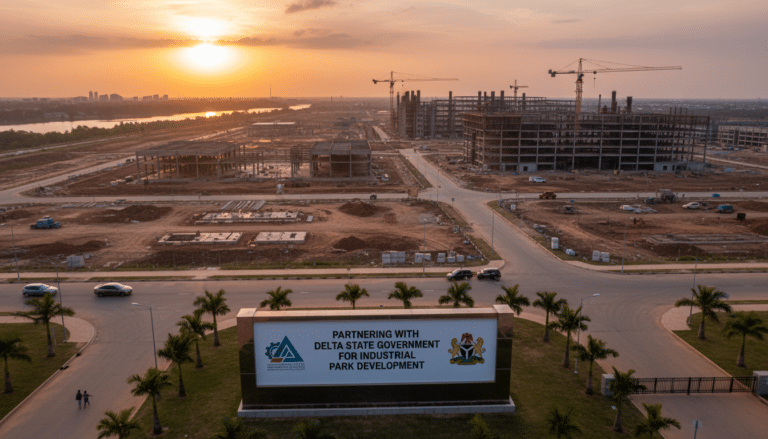 Partnering with Delta State Government for Industrial Park Development
 Building World-Class Healthcare Facilities Through Delta State PPPs
 How Delta State is De-Risking Infrastructure Investment for Private Partners