
Why Kaduna State is the premier destination for Nigerian agro-allied processing
- Posted by: PSL
- Categories: BRICS News, Financial Management, Human Resources and Talent Management, International Business and Market Entry, Marketing and Sales, News Blog, Operations and Process Improvement, Organizational Development, Risk Management and Compliance, Strategy and Planning, Technology and Digital Transformation
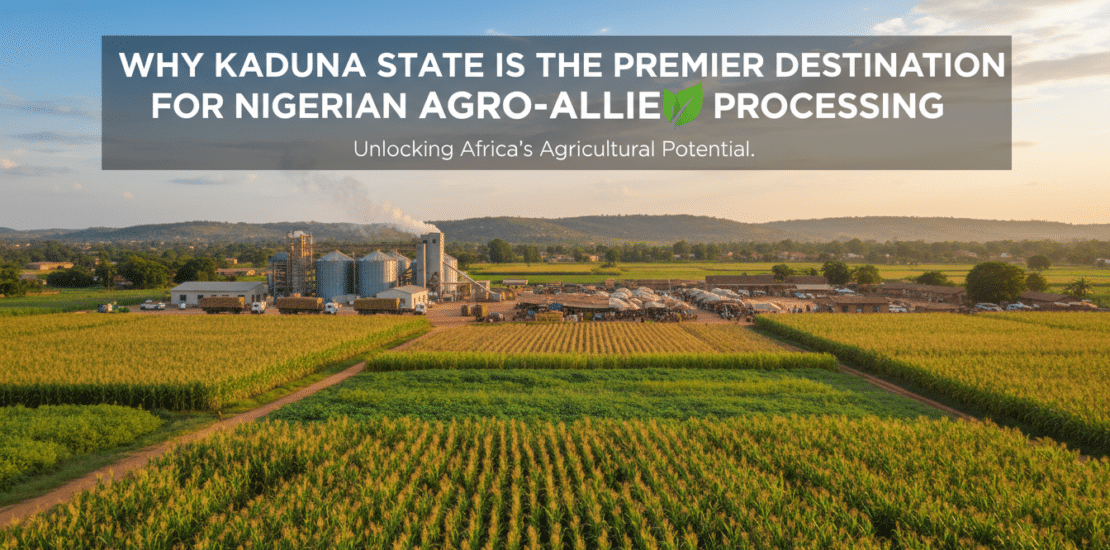
Why Kaduna State is the Premier Destination for Nigerian Agro-Allied Processing: A Deep Dive into its Strengths and Opportunities
Kaduna State, situated in the heart of Northern Nigeria, is rapidly emerging as the premier destination for agro-allied processing in the country. This assertion is not based on mere conjecture, but rather on a confluence of factors including its strategic geographical location, fertile agricultural land, robust infrastructure development, proactive government policies, access to a skilled workforce, and a growing ecosystem of supporting industries. Kaduna offers a unique and compelling proposition for both domestic and international investors seeking to tap into Nigeria’s vast agricultural potential. This article will delve into each of these factors, providing a comprehensive analysis of why Kaduna State stands head and shoulders above other Nigerian states in attracting and fostering a thriving agro-allied processing sector.
1. Strategic Geographical Location: The Gateway to the North
Kaduna State’s central location within Northern Nigeria is arguably its most significant advantage. It serves as a crucial transit point, connecting the agricultural heartland of the North to the rest of the country and beyond. This strategic positioning reduces transportation costs and logistical complexities, making it significantly cheaper and faster to move raw materials from farm to factory and processed goods to markets in the South and across the border to neighboring countries.
- Ease of Access: Kaduna boasts excellent connectivity through its well-maintained road network, including major highways linking it to key economic hubs like Kano, Abuja, Lagos, and Port Harcourt. This facilitates seamless transportation of agricultural produce and finished goods.
- Rail Infrastructure: The Kaduna-Abuja railway line further enhances transportation options, providing a cost-effective and efficient way to move bulk commodities. The ongoing efforts to revitalize and expand the national rail network will further solidify Kaduna’s position as a logistics hub.
- Proximity to Raw Materials: Kaduna is surrounded by states with abundant agricultural resources. States like Katsina, Zamfara, and Kano produce significant quantities of grains, legumes, cotton, and livestock. This proximity minimizes the distance and cost associated with sourcing raw materials, giving Kaduna-based agro-processing companies a competitive edge.
- Central Hub for Distribution: Kaduna’s central location makes it an ideal distribution center for reaching consumers across the North and even into neighboring countries like Niger and Chad. This access to a large and diverse market is a significant incentive for agro-processing companies looking to expand their reach.
- Reduced Logistical Challenges: Compared to states located further North, Kaduna experiences fewer logistical challenges related to insecurity and accessibility. This stability and relative safety contribute to a more predictable and reliable operating environment for businesses.
2. Fertile Agricultural Land and Abundant Resources:
Kaduna State is blessed with fertile land and a favorable climate conducive to the cultivation of a wide range of agricultural crops. This natural endowment provides a sustainable source of raw materials for agro-allied processing industries.
- Diverse Crop Production: The state is a major producer of grains like maize, sorghum, and millet, which are essential for the production of flour, animal feed, and other processed food products. It also cultivates legumes like soybeans, cowpeas, and groundnuts, which are valuable sources of protein and oil.
- Cotton Production: Kaduna is a significant cotton-producing state, providing raw materials for textile manufacturing and other related industries. The availability of locally sourced cotton reduces reliance on imports and supports the growth of the textile sector.
- Livestock Farming: The state boasts a thriving livestock industry, with significant populations of cattle, goats, sheep, and poultry. This provides a reliable source of meat, milk, and eggs for processing into various food products.
- Irrigation Potential: Kaduna has significant irrigation potential, with numerous dams and rivers that can be utilized to increase agricultural productivity and extend the growing season. This ensures a more consistent supply of raw materials for processing industries, mitigating the risks associated with seasonal variations.
- Opportunities for Value Addition: The abundance of agricultural resources in Kaduna presents numerous opportunities for value addition through processing. This includes milling grains into flour, extracting oil from seeds, processing fruits and vegetables into juices and canned goods, and manufacturing animal feed from agricultural byproducts.
3. Robust Infrastructure Development: Paving the Way for Growth
The Kaduna State government has prioritized infrastructure development as a key enabler for economic growth. This commitment has resulted in significant investments in roads, power, water, and telecommunications, creating a more conducive environment for agro-allied processing industries to thrive.
- Improved Road Network: The government has invested heavily in upgrading and expanding the road network, making it easier to transport raw materials and finished goods. This includes the construction of new roads and the rehabilitation of existing ones.
- Power Supply Improvements: Addressing the persistent power supply challenges in Nigeria is a priority for the Kaduna State government. They are actively working to improve electricity generation and distribution, attracting independent power producers (IPPs) and investing in renewable energy sources. While challenges remain, significant progress is being made to provide a more reliable power supply to businesses.
- Water Resources Management: The government is committed to ensuring a sustainable water supply for industrial and agricultural use. This includes investing in water treatment plants, irrigation systems, and water conservation measures.
- Industrial Parks and Clusters: The development of industrial parks and clusters provides dedicated spaces for agro-processing companies to set up operations with access to essential infrastructure and shared services. This reduces the upfront investment costs for businesses and promotes collaboration and knowledge sharing.
- Digital Infrastructure: The government is investing in improving internet connectivity and digital infrastructure to support the growth of the digital economy and facilitate the adoption of technology in the agro-allied sector. This includes promoting the use of e-commerce platforms and providing digital literacy training to farmers and entrepreneurs.
4. Proactive Government Policies and Support:
The Kaduna State government has implemented a range of proactive policies and support programs to attract investment and promote the growth of the agro-allied processing sector. These initiatives demonstrate a clear commitment to creating a business-friendly environment.
- Ease of Doing Business Reforms: The government has implemented a series of reforms to streamline business registration, licensing, and permitting processes, making it easier and faster for companies to set up operations in the state.
- Tax Incentives and Subsidies: The government offers a range of tax incentives and subsidies to attract investment in the agro-allied processing sector. These incentives may include tax holidays, reduced tax rates, and subsidized land costs.
- Access to Finance Programs: The government has established partnerships with financial institutions to provide access to finance for agro-processing companies, particularly small and medium-sized enterprises (SMEs). This includes providing loan guarantees and interest rate subsidies.
- Agricultural Extension Services: The government provides agricultural extension services to farmers, helping them to improve their yields and quality of produce. This ensures a more reliable supply of raw materials for processing industries.
- Investment Promotion Agency: The Kaduna Investment Promotion Agency (KADIPA) actively promotes investment opportunities in the state and provides support to investors throughout the investment process. KADIPA serves as a one-stop shop for investors, providing information, facilitating regulatory approvals, and connecting them with relevant stakeholders.
- Focus on Value Chain Development: The government is committed to developing the entire agricultural value chain, from production to processing to marketing. This includes supporting farmers, processors, and distributors, and promoting the consumption of locally processed food products.
- Public-Private Partnerships (PPPs): The government actively encourages PPPs to attract private sector investment in infrastructure development and agro-processing projects. This allows the government to leverage private sector expertise and resources to accelerate development.
5. Access to a Skilled Workforce: Nurturing Talent for the Future
Kaduna State boasts a large and relatively young population, providing a readily available workforce for agro-allied processing industries. The government is also investing in education and training programs to equip the workforce with the skills needed to succeed in the sector.
- Technical and Vocational Training: The government supports technical and vocational training institutions that provide training in areas relevant to agro-processing, such as food processing, machinery maintenance, and quality control.
- Agricultural Education: The state has several agricultural colleges and universities that offer courses in agriculture, agronomy, and agricultural engineering. These institutions produce graduates who are well-equipped to work in the agro-allied sector.
- Entrepreneurship Development Programs: The government promotes entrepreneurship development programs to encourage young people to start their own businesses in the agro-allied sector. These programs provide training, mentorship, and access to finance.
- Collaboration with Industry: The government encourages collaboration between educational institutions and industry to ensure that training programs are relevant to the needs of the sector. This includes providing internships and apprenticeships for students.
- Emphasis on Skills Development: The government recognizes the importance of continuous skills development and provides opportunities for workers to upgrade their skills through workshops, seminars, and online courses.
6. Growing Ecosystem of Supporting Industries:
Kaduna State benefits from a growing ecosystem of supporting industries that contribute to the success of the agro-allied processing sector. These industries provide essential services and inputs, creating a more integrated and efficient value chain.
- Packaging and Labeling Companies: The presence of packaging and labeling companies ensures that processed food products can be packaged and labeled to meet international standards.
- Transportation and Logistics Providers: A network of transportation and logistics providers ensures that raw materials and finished goods can be moved efficiently and cost-effectively.
- Equipment Manufacturers and Suppliers: The availability of equipment manufacturers and suppliers reduces reliance on imports and provides timely maintenance and repair services.
- Financial Institutions: Banks and other financial institutions provide access to finance for agro-processing companies, supporting their growth and expansion.
- Research and Development Institutions: Research and development institutions conduct research on new technologies and techniques that can improve agricultural productivity and processing efficiency.
- Consulting Services: Consulting firms provide expertise in areas such as business planning, marketing, and quality control, helping agro-processing companies to improve their operations.
- Agricultural Input Suppliers: Companies that supply seeds, fertilizers, and other agricultural inputs play a vital role in supporting agricultural production and ensuring a reliable supply of raw materials for processing industries.
In conclusion, Kaduna State’s potent combination of strategic location, agricultural abundance, infrastructure investment, proactive government policies, a skilled workforce, and a supportive industrial ecosystem positions it as the undeniable premier destination for agro-allied processing in Nigeria. While challenges remain, the state’s commitment to creating a conducive business environment and fostering a thriving agro-allied sector makes it a highly attractive location for both domestic and international investors looking to tap into Nigeria’s vast agricultural potential. By capitalizing on its unique strengths and addressing existing weaknesses, Kaduna State is poised to become a leading agro-processing hub in Africa.