Agricultural Land Use Planning Zoning
- Posted by: PSL
- Categories: BRICS News, Financial Management, International Business and Market Entry, News Blog
Introduction
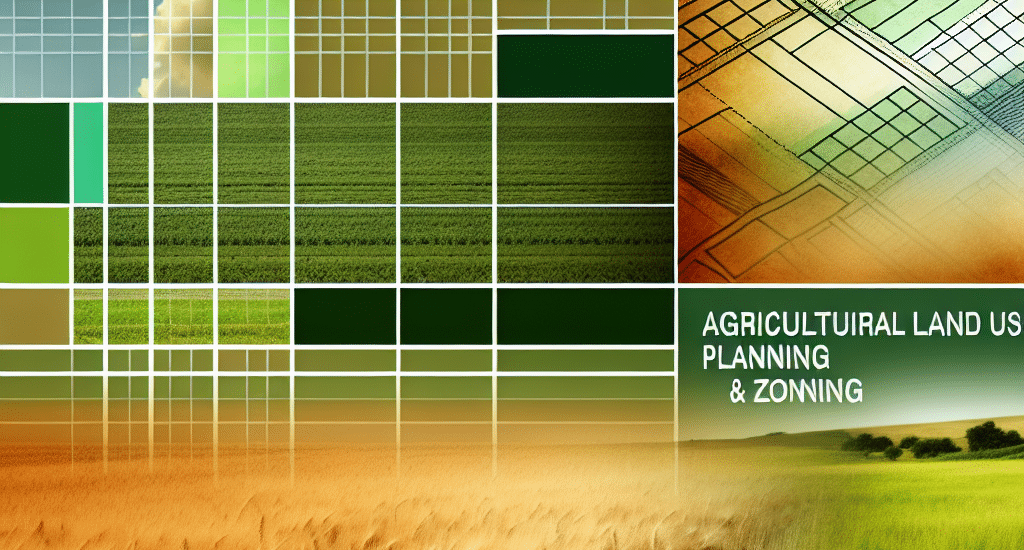
Agricultural land use planning and zoning encompass the processes through which land dedicated to farming and agricultural activities is organized, regulated, and optimized for productivity and sustainability. These frameworks are essential to address the growing demand for food, the integration of environmental concerns, and the management of land resources. With rapid urbanization and climate change presenting challenges to agricultural systems, effective planning and zoning have become critical for ensuring food security and ecological health.
In this exploration of agricultural land use planning and zoning, we will discuss the principles, objectives, challenges, and methodologies related to these practices. By examining examples and contemporary issues, we can better understand how effective land use planning and zoning can contribute to sustainable agricultural practices and rural development.
Principles of Agricultural Land Use Planning
The foundation of successful agricultural land use planning rests on several key principles:
1. Sustainability
Sustainability is a primary focus in agricultural land use planning, striving to balance environmental health, economic viability, and social equity. Effective planning emphasizes practices that conserve resources, protect ecosystems, and promote long-term agricultural productivity. The incorporation of sustainable practices, such as crop rotation, agroforestry, and organic farming, can enhance soil health while minimizing the ecological footprint of agriculture.
2. Resource Allocation
Land is a finite resource, and its allocation must be approached strategically. Effective planning requires analyzing land capabilities, geographic conditions, and local climate to determine how best to utilize land for agricultural purposes. Zoning regulations often dictate land use types—such as cropland, pasture, and specialty farming—ensuring that high-quality land is used optimally.
3. Community Involvement
Engaging local communities in the planning process is vital. Participants can provide insights into unique local conditions and cultural practices, fostering a sense of ownership and collaboration. Community involvement can enhance the effectiveness and acceptance of zoning regulations, leading to more sustainable and equitable land use outcomes.
4. Integration with Urban Planning
As urban areas expand, agricultural lands are often under pressure from development. Effective agricultural land use planning recognizes the interconnectedness of rural and urban areas. Zoning can be employed to create buffer zones that separate agricultural zones from urban encroachment, reducing conflicts and preserving valuable agricultural land.
5. Flexibility and Adaptability
Agricultural practices are dynamic and must adapt to changing climatic conditions, market demands, and technological advancements. Land use planning and zoning regulations should be flexible enough to accommodate new practices and innovations while still maintaining long-term objectives.
Objectives of Agricultural Land Use Zoning
Zoning serves numerous objectives in the context of agricultural land use:
1. Protecting Agricultural Land
Zoning helps delineate agricultural areas, preventing encroachment by urban development and industrialization. By designating specific zones for agricultural use, regulations can restrict non-agricultural activities that could detract from farming. This protection retains valuable farmland and contributes to food security.
2. Promoting Sustainable Practices
Zoning can encourage the adoption of sustainable agricultural practices by mandating certain techniques, such as organic farming or integrated pest management. Through zoning, jurisdictions can promote practices that enhance biodiversity and soil health while reducing the adverse impacts of conventional farming.
3. Supporting Local Economies
Agriculture remains a cornerstone of many local economies. Zoning can create opportunities for job creation, local food production, and value-added agricultural enterprises. By fostering local food systems, jurisdictions can strengthen economic resilience and reduce reliance on long supply chains.
4. Mitigating Land Use Conflicts
Conflicts often arise between agricultural activities and urban development or residential areas due to noise, odors, and pesticide use. Zoning plays a crucial role in mitigating these conflicts by establishing clear boundaries and buffer zones that delineate agricultural areas from residential and industrial zones.
5. Enhancing Ecosystem Services
Agricultural lands provide critical ecosystem services, such as carbon sequestration, water filtration, and habitat for wildlife. Land use planning and zoning can integrate these services into the framework, encouraging practices that enhance ecological health and biodiversity while supporting farming operations.
Challenges in Agricultural Land Use Planning and Zoning
1. Urban Sprawl
Rapid urban expansion can lead to the loss of agricultural land, making it challenging to sustain farming operations. Cities often expand into prime agricultural areas, leading to conflicts over land use. The challenge lies in balancing the needs of urban development with the importance of preserving agricultural resources.
2. Climate Change
Climate change presents significant challenges to agricultural systems, impacting crop yields, water availability, and pest dynamics. Planners must consider climate resilience in their zoning strategies, promoting adaptive practices to withstand changing conditions while maintaining productivity.
3. Economic Pressures
Agricultural land often faces economic pressures as landowners seek profitability. When agricultural viability diminishes, being swayed by higher-value development options becomes more challenging. These economic realities complicate the enforcement of zoning regulations aimed at preserving agricultural spaces.
4. Policy Fragmentation
Zoning regulations can be fragmented across jurisdictions, leading to inconsistencies and challenges in implementing cohesive agricultural land use strategies. A lack of coordination between local governments, state, and federal agencies often creates hurdles in effective planning.
5. Community Resistance
While community involvement is essential, resistance can also emerge from local stakeholders who oppose specific zoning regulations, particularly those perceived as restricting property rights or economic opportunities. Engaging communities in meaningful dialogues and negotiations is crucial to overcoming these challenges.
Methodologies in Agricultural Land Use Planning and Zoning
To achieve successful agricultural land use planning, several methodologies can be employed:
1. Land Capability Assessments
Land capability assessments evaluate the intrinsic qualities of different parcels of land, determining their potential for agricultural use. Factors such as soil type, topography, drainage, and climate are analyzed to create a comprehensive understanding of land suitability.
2. Geographic Information Systems (GIS)
GIS technology is a powerful tool for agricultural land use planning, providing spatial analyses and visualization capabilities. Planners can map agricultural zones, identify potential conflicts, and analyze land-use patterns, aiding in evidence-based decision-making.
3. Stakeholder Engagement
Regular engagement with farmers, landowners, local organizations, and community members helps inform the planning process. Workshops, surveys, and public meetings can facilitate dialogue, gather diverse perspectives, and foster buy-in for proposed zoning regulations.
4. Scenario Planning
Scenario planning allows stakeholders to envision different futures based on varying assumptions about land use, climate change, and economic conditions. This approach helps assess the implications of different planning strategies and engages communities in envisioning potential pathways for development.
5. Adaptive Management
An adaptive management approach emphasizes monitoring and continuous improvement of agricultural policies and practices. By assessing the effectiveness of zoning regulations, planners can make data-informed adjustments to address changing conditions and evolving community needs.
Case Studies
1. California’s Central Valley
The Central Valley of California is one of the most productive agricultural regions in the United States. However, urban sprawl and water scarcity pose substantial challenges. To address these issues, local governments have implemented zoning regulations that designate agricultural preserves, protecting farmland from urban development and promoting sustainable water use practices.
2. Ontario’s Greenbelt
Ontario, Canada, has established the Greenbelt Plan, which protects agricultural lands and natural ecosystems from urban encroachment. Zoning within the Greenbelt emphasizes the preservation of farmland while promoting sustainable agricultural practices, supporting local food systems and ecological conservation.
3. The Netherlands’ Integrated Approach
The Netherlands has adopted an integrated land use planning approach that combines agricultural zoning with spatial planning. Policies encourage sustainable farming practices and efficient land use to support food production while addressing environmental concerns and urban-rural dynamics.
In these diverse examples, agricultural land use planning and zoning are adapted to local contexts, demonstrating how tailored strategies can help preserve farmland, mitigate conflicts, and promote sustainable agricultural development.
Conclusion
Agricultural land use planning and zoning are essential tools for managing the complex dynamics between agriculture, urban development, and environmental sustainability. By employing sustainable practices, engaging communities, and addressing emerging challenges, these planning frameworks can contribute significantly to food security, economic resilience, and ecological health. Through continued innovation and adaptive strategies, stakeholders can forge a path toward a more sustainable agricultural future.