
Seed System Development Quality Input Supply
- Posted by: PSL
- Categories: BRICS News, Financial Management, International Business and Market Entry, News Blog
Introduction
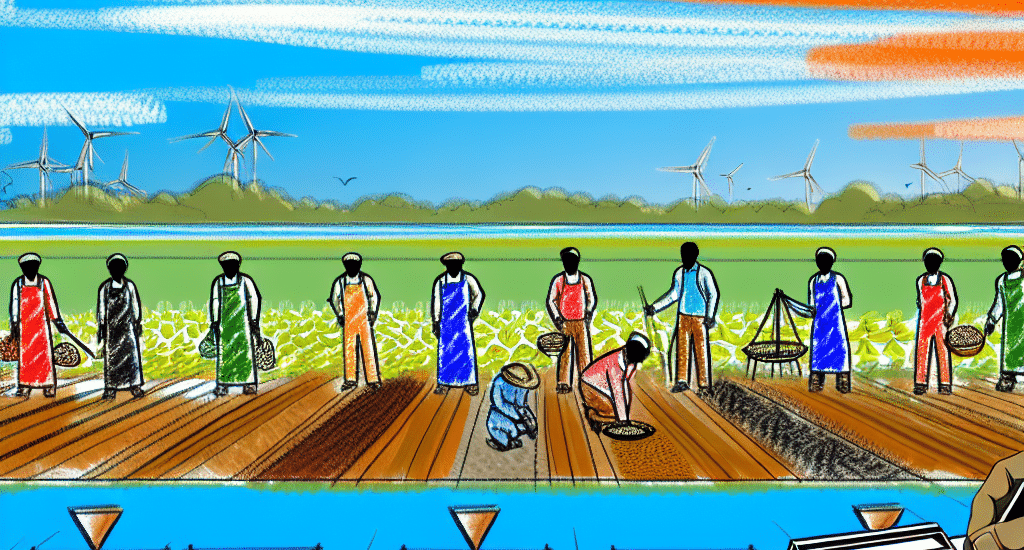
The foundation of agricultural productivity hinges significantly on the quality of seeds. In the quest for food security and sustainable agricultural practices, the development of a robust seed system is vital. This article delves into the intricacies of seed system development, focusing on quality seed input supply.
Understanding Seed Systems
Definition and Importance
A seed system refers to the entire process of seed production, handling, distribution, and utilization, encompassing both formal and informal sectors. These systems are crucial for ensuring that farmers have access to the right quality seeds that can significantly boost crop yields, enhance resilience to pests and diseases, and adapt to changing climatic conditions.
Components of a Seed System
-
Seed Production: This involves breeding high-quality seed varieties that are disease-resistant, high-yielding, and suitable for specific agro-ecological zones.
-
Seed Processing: The processing of seeds includes cleaning, grading, treatment, and packaging to ensure viability and quality.
-
Seed Distribution: This covers the logistics of getting seeds from producers to farmers, which can be affected by infrastructure, market access, and distribution channels.
-
Seed Policy and Regulation: Government policies and regulations play a significant role in seed system development, ensuring quality control and encouraging investment in research and development.
-
Market Linkages: The interaction between seed producers, suppliers, and farmers is vital for enhancing access to quality seeds.
Challenges in Seed Supply
Quality Assurance
Maintaining seed quality throughout the supply chain is one of the foremost challenges. Factors such as poor storage conditions, inappropriate handling, and contamination can compromise seed quality. Regular monitoring and quality checks are essential to mitigate these risks.
Accessibility
In many regions, farmers, especially smallholders, struggle to access quality seeds due to inadequate distribution networks, high costs, and lack of information on available varieties. Addressing these accessibility issues is crucial for ensuring that all farmers have equal opportunities.
Climatic Impacts
Climate change poses a significant threat to seed systems globally. Changes in weather patterns affect seed viability, require new seed varieties, and challenge traditional agricultural practices. Developing resilient seed systems is essential for adapting to such changes.
Regulatory Constraints
In many countries, the regulatory framework surrounding seed production and distribution can be cumbersome. Lengthy approval processes for new varieties and stringent regulations can stifle innovation and delay the entry of quality seeds into the market.
Strategies for Improving Seed Input Supply
Investment in Research and Development
Investing in seed research and development is vital for creating high-quality seed varieties that meet the evolving needs of farmers. Public and private partnerships can stimulate innovation in seed breeding and technology transfer, ensuring that farmers have access to the best possible seeds.
Strengthening Farmers’ Cooperatives
Farmers’ cooperatives can play a pivotal role in seed supply systems. By pooling resources, farmers can gain access to quality seeds, share knowledge, and participate in seed production initiatives. Supporting and strengthening these cooperatives can enhance seed availability and quality at the community level.
Capacity Building and Training
Educating farmers on best practices for seed selection, handling, and storage can significantly improve seed quality and productivity. Extension services should focus on delivering targeted training programs that empower farmers with the knowledge they need to make informed decisions.
Developing Weather-Resilient Varieties
Research into climate-resilient seed varieties is critical in today’s changing climate landscape. Breeding seeds that can withstand drought, flooding, and extreme temperatures will be essential for sustaining agricultural productivity in the face of climate challenges.
Enhancing Policy Frameworks
Modernizing seed policies can facilitate easier access to quality seeds. Simplifying regulatory processes, encouraging private sector involvement, and establishing quality control mechanisms can foster a conducive environment for seed system development.
The Role of Technology in Seed Systems
Digital Platforms for Information Dissemination
Technology can enhance the efficiency and effectiveness of seed systems. Digital platforms can facilitate the dissemination of information about seed varieties, pricing, and availability. Mobile applications can connect farmers with seed suppliers, making the process of sourcing quality seeds easier and more efficient.
Precision Agriculture
The use of precision agriculture technologies can optimize seed planting, improve crop management, and enhance overall yield. By utilizing data-driven techniques, farmers can make informed decisions that enhance seed performance and productivity.
Seed Tracking Systems
Incorporating tracking systems enables better monitoring of seed quality throughout the supply chain. Using technologies such as blockchain can provide transparency and traceability, ensuring that seeds meet quality standards.
Best Practices for Quality Seed Supply
Quality Production Standards
Establishing rigorous production standards for seed quality, including germination rates, purity, and disease resistance, is essential. Implementing quality assurance protocols can help producers maintain high standards and reassure farmers of the seeds’ quality they are purchasing.
Community Seed Banks
Community seed banks play a crucial role in preserving local seed varieties and ensuring seed security. They provide a repository for traditional, locally-adapted seed varieties, which can be critical in maintaining biodiversity and resilience in local agricultural systems.
Collaborations and Partnerships
Partnerships among stakeholders, including government agencies, NGOs, academic institutions, and private sector players, can strengthen seed systems. Collaborative efforts can leverage resources, knowledge, and networks to improve seed supply and quality.
Promotion of Local Seed Varieties
Encouraging the use of local seed varieties can enhance agricultural resilience and sustainability. Local varieties are often better adapted to the specific climatic and soil conditions of a region, making them more reliable choices for farmers.
Regional Perspectives on Seed Supply Challenges
Sub-Saharan Africa
In many sub-Saharan African countries, seed supply chains are hindered by infrastructure challenges, limited access to finance, and a lack of quality assurance mechanisms. Fostering public-private partnerships can help overcome these challenges and improve access to high-quality seeds for farmers in the region.
South Asia
Countries in South Asia face unique challenges related to seed supply, including political and regulatory barriers, which affect the availability of genetically modified organisms (GMOs) and hybrid seeds. Addressing these regulatory hurdles can facilitate a more efficient seed supply system that meets diverse farmer needs.
Latin America
In Latin America, agroecological approaches to seed production have gained traction, emphasizing local varieties and organic practices. Supporting these approaches through policy frameworks and research can strengthen the region’s agricultural resilience and food sovereignty.
Future Directions for Seed System Development
As the global population continues to grow and the impacts of climate change become increasingly evident, developing a resilient, efficient, and equitable seed system is essential for ensuring food security and agricultural sustainability. Prioritizing quality input supply through investments in research, technology, and farmer education will be key to achieving these goals, paving the way for a more productive and sustainable agricultural future.
Related Posts
 Investing in the Oyo State solid minerals sector for global industrial supply
 Investing in modular refineries to bridge the fuel supply gap in Delta State
 Building the future of cold chain logistics for Delta State perishables
 Deciphering the Strategy Behind Chinese Global Supply Chain Dominance
 Overcoming the Last Mile Challenges in African Medical Logistics
 Why Nigeria is Central to the New Global Supply Route
 The Impact of Global Supply Chains on Nigerian Pharmacies
 The Importance of Quality Control in Nigerian Pharmacy Operations