

Air Cargo Logistics Optimization African Routes
- Posted by: PSL
- Categories: BRICS News, Financial Management, International Business and Market Entry, News Blog
Introduction
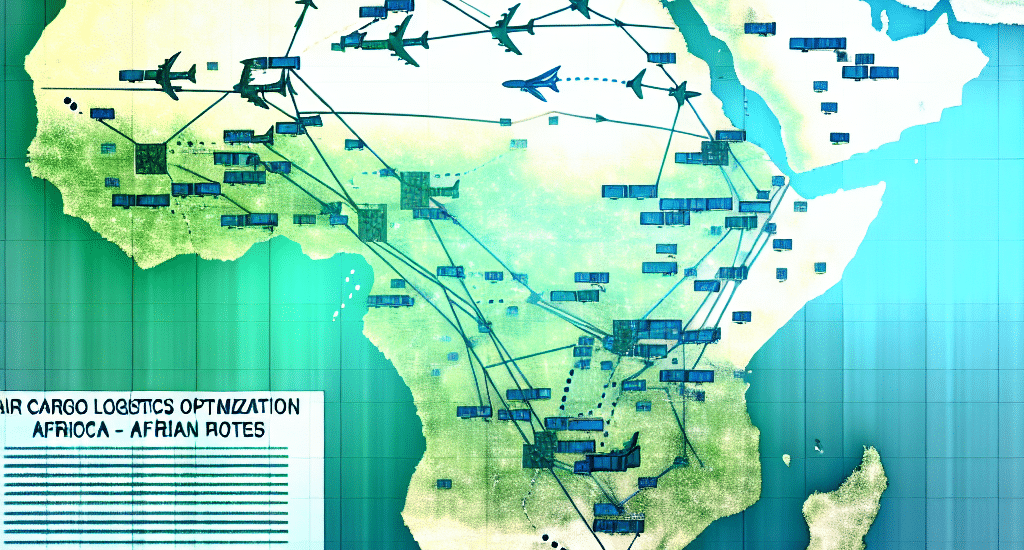
Air cargo logistics in Africa has become increasingly vital as the continent embraces globalization and engages in more extensive trade networks. With its unique geography, varying infrastructure levels, and diverse economies, optimizing air cargo logistics for African routes presents both challenges and opportunities. In recent years, advancements in technology and logistics practices have provided avenues for significant improvements. This article explores strategies for optimizing air cargo logistics on African routes, focusing on infrastructure, regulatory frameworks, technological advancements, and strategic collaborations.
The Importance of Air Cargo in Africa
Air cargo plays a fundamental role in facilitating trade and economic development. The continent is rich in natural resources, agricultural products, and crafts, necessitating seamless logistical operations to ensure that these goods reach global markets efficiently. As economies grow and urbanization increases, the demand for rapid and reliable transportation solutions is on the rise. Air freight is particularly essential for time-sensitive goods, including perishable items like fruits and vegetables, pharmaceuticals, and high-value electronics.
According to the International Air Transport Association (IATA), air cargo contributes significantly to Africa’s GDP. It facilitates access to essential goods, enhances market connectivity, and improves the overall competitiveness of African businesses. However, despite its importance, air cargo in Africa faces challenges that hinder optimization.
Infrastructure Challenges
Airport Facilities
Many airports across Africa lack adequate facilities needed to handle the increased volume of air cargo effectively. Insufficient cargo handling equipment, limited warehousing facilities, and inadequate security measures can lead to delays and increased operational costs. The need for investment in airport infrastructure is evident, especially in countries where tourism and trade are picking up.
Ground Transportation
Ground transportation is pivotal in the air cargo supply chain. The intermodal connections between airports and their respective hinterlands can significantly impact shipping efficiency. Poor road conditions, inadequate rail network coverage, and traffic congestion in urban areas make it critical to enhance ground transportation infrastructures. Governments and private sectors must collaborate to invest in the development and maintenance of reliable transport networks.
Regulatory Frameworks
Harmonization of Regulations
Africa’s diverse regulatory landscape presents a challenge for air cargo optimization. Each country has its own set of regulations concerning cargo handling, customs clearance, and security protocols. The African Union and its member states should work toward harmonizing these regulations to facilitate smoother cross-border shipping processes. Simplified and standardized regulations would reduce delays and minimize the bureaucratic burden on businesses.
Customs Efficiency
Customs clearance is often a bottleneck in air cargo logistics. Inefficient customs procedures can lead to delays, increased costs, and loss of goods. Emphasizing the need for technology-driven customs systems can speed up clearance times. By adopting modern customs practices such as risk-based assessments and pre-clearance processes, countries can enhance customs efficiency and foster trade.
Technological Advancements
Real-Time Tracking
Technology is a cornerstone of logistics optimization. Real-time tracking systems offer visibility throughout the supply chain, allowing stakeholders to monitor shipments and respond to delays promptly. In Africa, the adoption of GPS and RFID technologies can improve tracking capabilities. This transparency helps in managing inventory levels, reducing waste, and enhancing customer satisfaction.
Drones and Automated Solutions
As technology advances, innovative solutions like drones for last-mile delivery emerge as viable options. Drones can overcome infrastructural barriers in remote areas where traditional transport methods face challenges. Automated sorting and warehousing systems can also enhance operational efficiency at airports, reducing the manual labor required and minimizing errors.
Blockchain Technology
Blockchain holds great promise for improving air cargo logistics. By creating secure and transparent networks, blockchain can facilitate information sharing among stakeholders. This transparency helps in tracking the provenance of goods, ensuring compliance with regulations, and enhancing trust among partners in the supply chain.
Strategic Collaborations
Public-Private Partnerships
Public-private partnerships (PPPs) can be instrumental in funding and implementing logistics optimization projects. Governments can collaborate with private enterprises to develop infrastructure that supports air cargo logistics, including investment in airports, cargo handling facilities, and ground transportation systems.
Regional Collaborations
Regional collaborations can maximize resources and enhance operational efficiencies. Organizations like the African Union and the African Development Bank can facilitate initiatives that promote cooperation among member states. Joint logistics hubs can be developed to consolidate cargo operations, thus reducing costs and improving delivery times.
Airline Alliances
Airline alliances can expand the reach of air cargo networks. By collaborating, airlines can provide customers with a broader range of routes and services. Strategic partnerships can also enhance cargo capacity and streamline processes across their networks, making it easier for businesses in Africa to access global markets.
Current Trends and Future Prospects
E-Commerce Growth
The rise of e-commerce in Africa is reshaping air cargo logistics. As more individuals and businesses turn to online marketplaces, the demand for efficient and reliable air cargo services is skyrocketing. This trend requires logistics providers to adapt rapidly, ensuring they can meet consumer demands while keeping costs competitive. Partnerships between logistics companies and e-commerce platforms can streamline the delivery process and optimize logistics operations.
Sustainable Practices
Sustainability is a growing concern in air cargo logistics. As the global community emphasizes environmental responsibility, there is an increasing push for air freight operators to adopt green practices. This includes optimizing routing to reduce carbon emissions, implementing sustainable packaging solutions, and adopting alternative fuels. While transitioning to eco-friendly practices may require initial investments, the long-term benefits are substantial, including reduced operational costs and improved public perception.
Investment in Human Capital
Human capital is another essential factor in logistics optimization. Investing in training and capacity building for workforce skills is critical in enhancing air cargo logistics. Organizations must emphasize continuous education and training to equip workers with the necessary skills to leverage new technologies and optimize operations.
Addressing Trade Imbalances
Air cargo logistics can also play a vital role in addressing trade imbalances within Africa. Many African countries are net importers, resulting in a trade deficit. Optimizing air cargo logistics can enhance export capabilities, allowing countries to tap into markets that demand their products. By improving the efficiency of air cargo systems, African nations can better position themselves as competitive producers of both raw materials and value-added products.
Export Promotion Schemes
Governments can implement export promotion schemes that encourage local producers to engage in international trade. Facilitating easier access to air transport systems for exporters, combined with incentives for export-based businesses, can generate significant economic benefits. By linking local industries with international markets, countries can reduce trade imbalances and foster economic growth.
Challenges Ahead
Despite the promising landscape for optimizing air cargo logistics on African routes, numerous challenges remain. Corruption, political instability, and economic disparities among nations can hinder progress. Additionally, the effects of climate change pose risks to transport infrastructures, demanding proactive approaches from stakeholders.
The Role of Investment and Innovation
Investment in logistics infrastructure, technology, and capacity building is crucial for addressing these challenges. Innovative solutions and adaptive strategies will be key in ensuring that Africa’s air cargo logistics ecosystem is resilient and efficient. Enhancing collaboration among stakeholders—including governments, logistics providers, technology companies, and industry associations—will create a more robust network that supports trade growth and economic development.
In summary, optimizing air cargo logistics in Africa is a multifaceted challenge that requires a holistic approach. Emphasizing infrastructure development, regulatory harmonization, technological adoption, strategic collaborations, and capacity building will create a more efficient air cargo network. By capitalizing on these elements, Africa can unlock its vast potential for trade and economic growth, paving the way for a more interconnected and prosperous continent.
Related Posts
 Overcoming the Last Mile Challenges in African Medical Logistics
 Executive Air Charter Nigeria Dubai Routes Competitive Rates – Pharmsource Services
 Asset Management Optimization African Clients
 The massive ROI potential of Lagos State water transportation and logistics
 Why Lagos remains the undisputed champion of African fintech investment
 Investing in the Akwa Ibom aviation sector through the Ibom Air success story
 Investing in the Abia State palm oil value chain for the West African market
 How the African Continental Free Trade Area boosts Nigerian export potential