

Export Processing Zone EPZ Setup Advisory Agri
- Posted by: PSL
- Categories: BRICS News, Financial Management, International Business and Market Entry, News Blog
Introduction
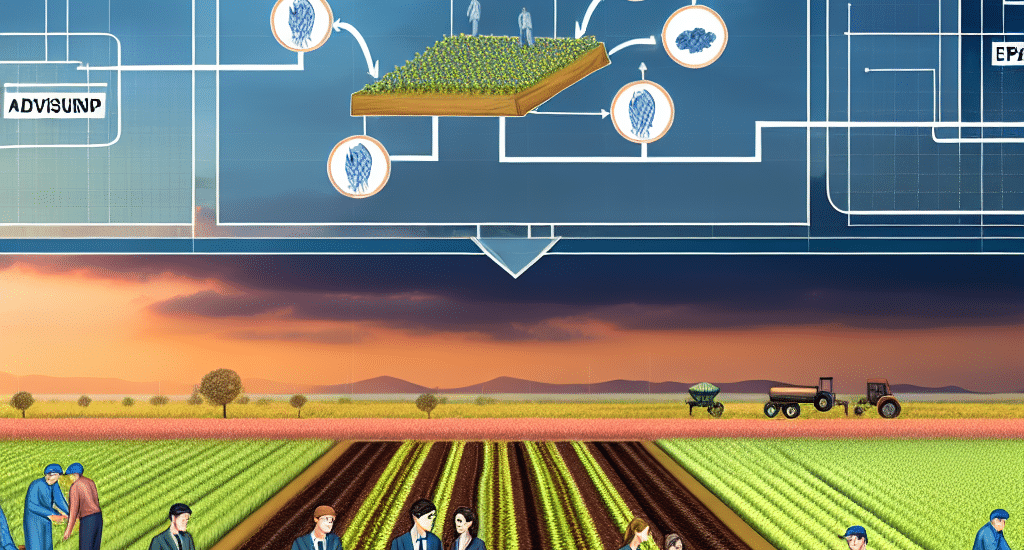
Export Processing Zones (EPZs) are designated areas within a country that offer favorable conditions for businesses engaged in exporting goods. These zones are aimed primarily at promoting export-oriented manufacturing and services. In recent years, the integration of agriculture into the EPZ framework has gained traction, offering unique advantages to agribusinesses looking to tap into international markets. This article explores the various considerations for setting up an EPZ focused on agriculture, discussing its benefits, regulations, infrastructure requirements, and best practices.
Understanding EPZs
EPZs are specialized industrial zones where goods can be produced, processed, or assembled with various tax and regulatory advantages. The primary goal is to attract foreign investment and generate employment while enhancing export capabilities. These zones provide several incentives, including tax exemptions, simplified customs procedures, and access to essential infrastructure.
Benefits of Setting Up an EPZ for Agriculture
-
Economic Incentives: EPZs commonly offer significant economic incentives such as reduced tax rates, exemptions from import duties on raw materials, and sometimes even wage subsidies. These incentives can significantly lower the operational costs for agricultural businesses.
-
Access to International Markets: By establishing a presence in an EPZ, agribusinesses have direct access to international markets without the complexities of navigating local regulations and tariffs. This truly enhances the global competitiveness of agricultural products.
-
Infrastructure and Logistics: EPZs often come equipped with essential infrastructural support such as transportation networks, warehousing facilities, and cold storage that are vital for agricultural goods. This readiness allows businesses to operate efficiently and minimize wastage.
-
Ease of Doing Business: The regulatory framework in EPZs is usually more business-friendly compared to broader national contexts. This allows agribusinesses to focus on their core operations without getting bogged down by bureaucratic processes.
-
Technology and Innovation: The presence of multiple businesses in an EPZ can foster an environment of collaboration and innovation. Agribusinesses can share best practices, technologies, and even engage in research and development (R&D) with local universities and institutions.
Regulations and Compliance
Setting up an EPZ requires a robust understanding of local regulations and compliance requirements. The following key areas must be thoroughly considered:
1. Legal Framework
Countries typically have specific laws governing the establishment and operation of EPZs. It is crucial to understand these laws:
-
EPZ Act: Review the national legislation governing EPZs, including provisions related to the establishment, operation, and exit strategies for businesses.
-
Investment Codes: Understand laws related to foreign direct investment, particularly how they pertain to agricultural ventures.
-
Labor Laws: Familiarize yourself with local labor regulations, particularly regarding hiring agricultural workers and ensuring their rights are protected.
2. Compliance Requirements
Compliance extends beyond legal adherence. It includes:
-
Health and Safety Regulations: Agribusinesses must comply with health regulations specific to food safety, including hygiene standards for agricultural products.
-
Environmental Regulations: Compliance with national and local environmental laws is critical, especially in agriculture, where practices may impact land, water, and air quality.
3. Licensing and Permits
Before commencing operations, businesses typically need to secure various licenses and permits, which may include:
-
Business Registration: Register the business with relevant authorities as an EPZ entity.
-
Food Safety Permits: Obtain necessary permits related to food handling and processing.
-
Import/Export Licenses: Ensure compliance with any specific licenses required for importing raw materials or exporting finished goods.
Infrastructure Requirements
Establishing an EPZ targeted at agriculture necessitates specific infrastructure considerations.
1. Land and Facility Design
-
Zoning: Design the EPZ layout with agricultural requirements in mind, ensuring sufficient space for growing, processing, and distributing crops.
-
Processing Facilities: Invest in state-of-the-art processing facilities that are essential for value addition in agriculture, such as canneries, dehydrators, and packing units.
2. Transportation and Logistics
A well-planned transportation network is vital for the seamless movement of goods in and out of the EPZ. This network should consist of:
-
Roads: Well-maintained access roads for transporting goods.
-
Storage Facilities: Efficient cold storage facilities to preserve perishable goods.
-
Shipping Options: Proximity to ports and airports can drastically reduce transportation time and costs.
3. Utility Services
Reliable utility services, including water, electricity, and telecommunications, are fundamental to running agricultural operations smoothly. Measures should be taken to ensure:
-
Water Supply: Particularly for irrigation and processing operations, ensuring a consistent and quality water supply is essential.
-
Energy Resources: Renewable energy options should be explored to minimize environmental impact and reduce operational costs.
Operational Best Practices
Once the EPZ is established, managing operations effectively becomes paramount.
1. Sustainable Agricultural Practices
Encourage and implement sustainable practices that focus on environmental conservation, such as:
-
Precision Agriculture: Utilize technology such as drones and sensors to monitor crop health and optimize resource use.
-
Organic Farming: Consider establishing a segment within the EPZ focused on organic farming, which has seen a marked increase in global demand.
2. Quality Control and Standards
Implementing stringent quality control mechanisms ensures that agricultural products meet international standards. This encompasses:
-
Regular Audits: Conduct regular audits of processes, facilities, and products to ensure compliance with international health and safety standards.
-
Training Programs: Invest in training programs for staff on quality control measures and best practices in agricultural production.
3. Networking and Partnerships
Build networks with stakeholders within the agricultural value chain, which can include:
-
Farmers: Engage local farmers to source raw materials, fostering community growth.
-
Industry Associations: Collaborate with agricultural associations for advocacy and best practices sharing.
Financial Management
Setting up and running an EPZ requires sound financial planning and management strategies.
1. Initial Investment
Assess the initial capital needed to set up operations and explore funding options:
-
Grants and Subsidies: Investigate governmental grants and subsidies tailored to promote agricultural development.
-
Loans: Secure loans from financial institutions accustomed to funding EPZ operations, focusing on favorable terms.
2. Cost Management
Utilize modern accounting and financial management systems to monitor expenses closely. Key areas include:
-
Operating Expenses: Continually assess operating costs to identify and rectify inefficiencies.
-
Export Incentives: Regularly review export incentives and benefits applicable to optimize financial returns.
3. Market Analysis and Pricing
Conduct ongoing market research to understand supply and demand dynamics and adjust pricing strategies accordingly, ensuring competitiveness in the global market.
Conclusion
Setting up an Export Processing Zone (EPZ) for agriculture presents a unique opportunity to enhance the global competitiveness of agricultural products while providing economic benefits to local communities. By understanding the legal framework, ensuring adequate infrastructure, and adopting best operational practices, businesses can tap into a lucrative market, contributing to their profitability and the broader economic landscape.
Related Posts
 Leveraging Deltaʼs Coastal Location for Export-Led Agro Processing
 Scaling garment and footwear production for export from the Abia heartland
 From Cassava to Exports How Delta State is Supporting Agro-Industrialists
 How the Lekki Free Trade Zone is redefining manufacturing in West Africa
 How the African Continental Free Trade Area boosts Nigerian export potential
 Why Anambra State is a primary destination for solid mineral processing
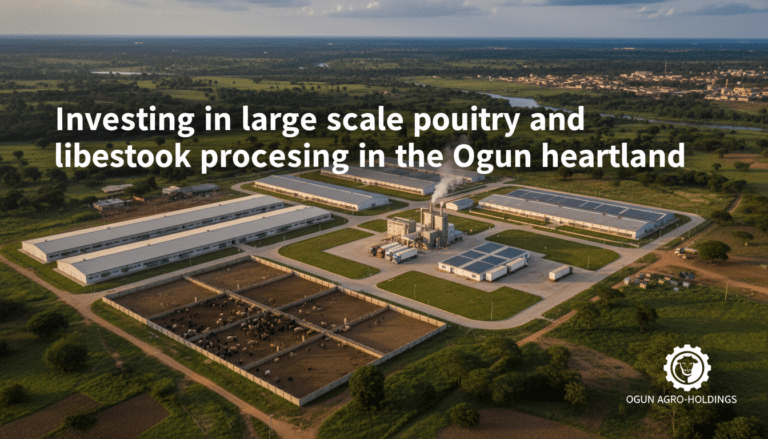 Investing in large scale poultry and livestock processing in the Ogun heartland
 The rise of agro-processing zones and their impact on Delta State GDP