
From Collaboration to Innovation: BRICS 2024 Initiatives That Could Shape the Future
- Posted by: PSL
- Categories: BRICS News, News Blog

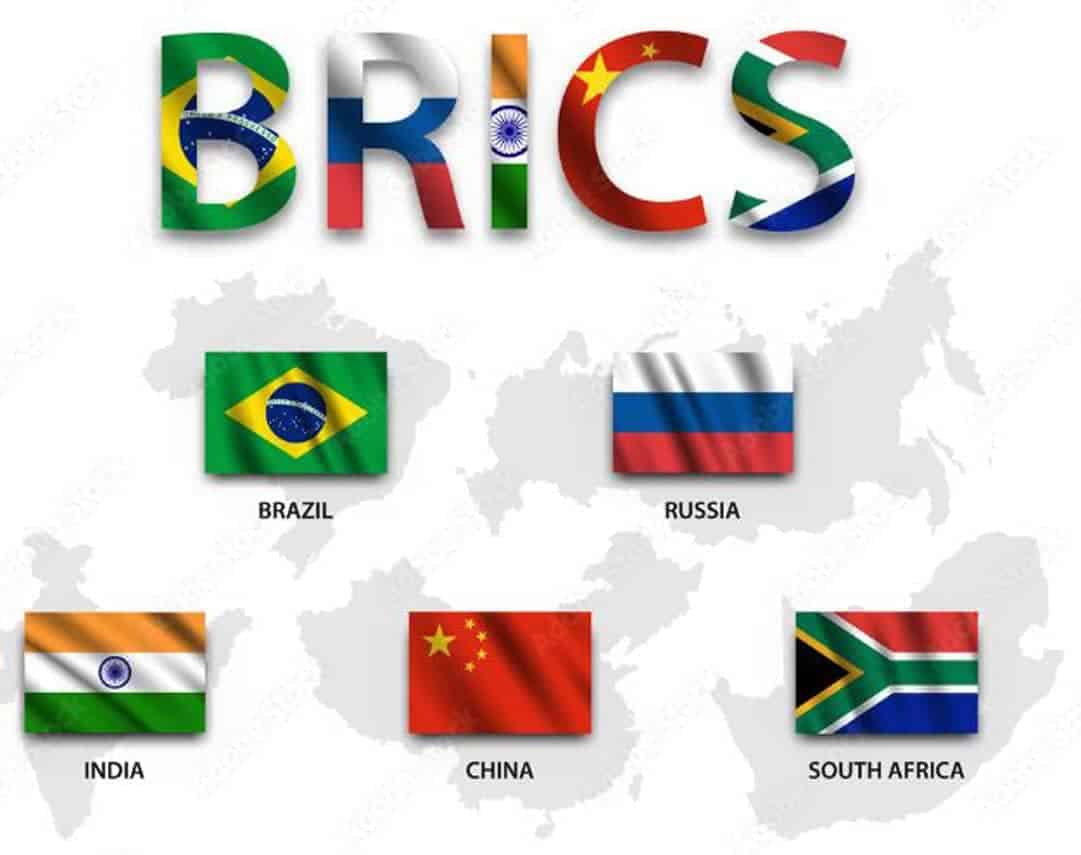
The BRICS bloc, comprising Brazil, Russia, India, China, and South Africa, has long been viewed as a counterbalance to Western-led economic and political structures. As the world evolves, so too does the significance and reach of this coalition, which has increasingly emphasized collaboration among its member states. In 2024, several key initiatives are expected to redefine the BRICS’ operational dynamics, transitioning from mere collaboration to impactful innovation that could shape global economic and political landscapes.
A New Economic Paradigm
The year 2024 marks a pivotal moment for BRICS as it pivots towards establishing a new economic framework that prioritizes sustainable development and reciprocal trade agreements. Central to this shift is the potential establishment of a BRICS Digital Currency, which aims to facilitate trade among member countries while reducing dependence on traditional Western financial systems.
BRICS Digital Currency Initiative
The proposed digital currency could streamline transactions not only among BRICS member nations but also with other emerging economies. By embracing blockchain technology, the BRICS nations seek to enhance transparency and security in financial dealings, making cross-border trade less cumbersome. This initiative could encourage greater participation from non-BRICS nations interested in economic cooperation, particularly in Africa and Latin America.
Strengthening Trade Relations
With the global economy facing uncertainties, BRICS member countries are keen on strengthening intra-BRICS trade relations. In 2024, expect the launch of the BRICS Trade Facilitation Framework aimed at reducing tariffs, regulating standards, and harmonizing customs procedures among member countries.
Focus on Infrastructure Development
A significant element of this framework will be the BRICS Infrastructure Development Fund, designed to finance projects that enhance transportation, energy, and digital infrastructure among member states. Investment in infrastructure is crucial for untapping potential markets and fostering innovation, as it enables better connectivity and accessibility.
Collaborative Innovation in Technology
The BRICS nations are investing heavily in technology-driven innovation as they recognize that the future economy will be heavily reliant on advancements in artificial intelligence, clean energy, and technology transfer. In 2024, initiatives aimed at fostering collaboration in research and development will take center stage.
BRICS Innovation Hub
The establishment of a BRICS Innovation Hub could serve as a centralized platform for sharing knowledge, research, and technological advancements. This hub will focus on collaborative projects in artificial intelligence, renewable energy, and biotechnology, fostering partnerships between universities, research institutions, and private sector entities across member states.
Climate Change and Sustainability Initiatives
As the global climate crisis intensifies, the BRICS countries acknowledge their responsibility in addressing environmental challenges. In 2024, a collective commitment towards sustainable development practices is expected, aligning national policies with the United Nations Sustainable Development Goals (SDGs).
Green Financing Mechanism
A Green Financing Mechanism to support sustainable projects in member states could help mobilize private and public investment toward green initiatives. This mechanism aims to facilitate funding for renewable energy projects, carbon-neutral technologies, and climate adaptation programs that directly address the impacts of climate change.
Strengthening Cultural and Educational Ties
Recognizing the importance of cultural exchange in fostering solidarity and understanding, BRICS will likely place a stronger emphasis on educational and cultural initiatives in 2024. Programs designed to promote student exchange and collaborative educational research could enhance people-to-people connections among member nations.
BRICS Cultural Week and Scholarships
Initiatives like a BRICS Cultural Week aimed at showcasing each nation’s heritage, arts, and traditions can promote mutual respect and cooperation. Additionally, the introduction of scholarship programs for students from BRICS countries could encourage a new generation of leaders who appreciate the nuances of their counterparts’ cultures and economic challenges.
Conclusion: A Future Envisioned
As BRICS heads into 2024, its focus on transitioning from collaboration to innovation serves as a testament to the bloc’s adaptability and vision. By prioritizing economic resilience, technological advancement, sustainability, and cultural understanding, the BRICS nations are poised to play a significant role in shaping the future of global governance and cooperation.
This year will not only be an opportunity for existing member states to consolidate their influence but also a chance to expand their outreach to other nations seeking partnerships built on the principles of shared growth and mutual benefits. The journey from collaboration to innovation is just beginning, and the world will be watching closely as BRICS sets the stage for a new era of global economic and political dynamics.