

How the Delta State coastline provides a strategic edge for oil and gas exporters
- Posted by: PSL
- Categories: BRICS News, Financial Management, Human Resources and Talent Management, International Business and Market Entry, Marketing and Sales, News Blog, Operations and Process Improvement, Organizational Development, Risk Management and Compliance, Strategy and Planning, Technology and Digital Transformation
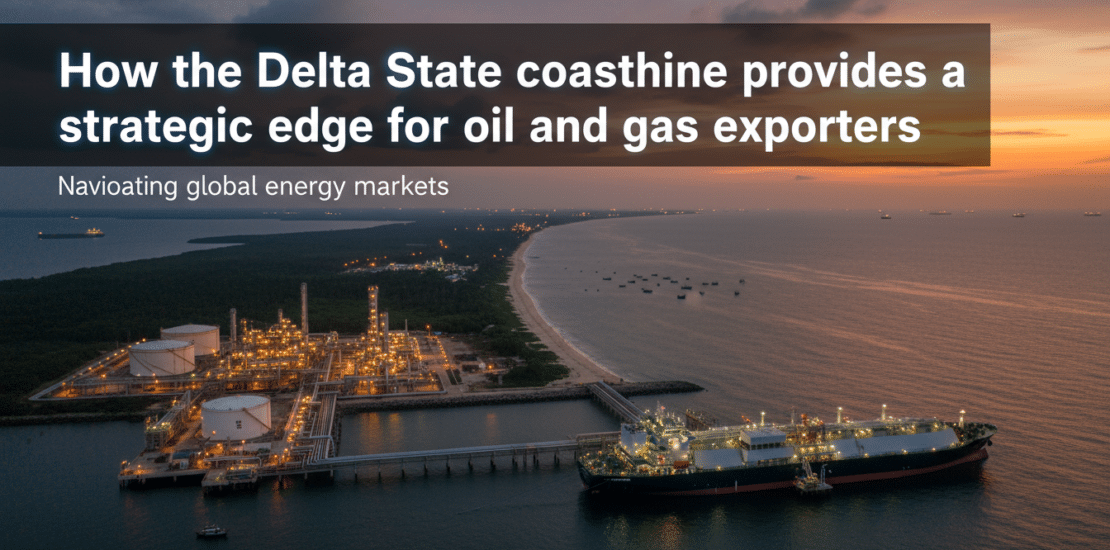
How the Delta State Coastline Provides a Strategic Edge for Oil and Gas Exporters
Delta State, nestled in the heart of Nigeria’s Niger Delta region, boasts a sprawling coastline that extends for hundreds of kilometers. More than just a picturesque landscape, this coastline represents a critical strategic asset for the nation’s oil and gas industry, conferring a significant competitive edge for exporters operating within its boundaries. The confluence of geographical features, logistical advantages, and historical development has transformed Delta State’s coastline into a vital gateway for Nigeria’s hydrocarbons to reach global markets. Understanding the intricacies of this relationship reveals the profound impact the coastline has on the efficiency, cost-effectiveness, and overall strategic positioning of Nigeria’s oil and gas export sector.
Natural Deep-Water Ports and Navigational Accessibility:
One of the most significant strategic advantages offered by the Delta State coastline is the presence of naturally occurring deep-water ports and navigable waterways. Unlike many other coastal regions in West Africa, the Niger Delta, and specifically the Delta State coastline, is characterized by estuaries, creeks, and river channels that provide direct access to the Atlantic Ocean for large oil tankers and Liquefied Natural Gas (LNG) carriers. This natural advantage minimizes the need for extensive dredging and infrastructure development that would otherwise be required to accommodate deep-draft vessels.
The Escravos River, for example, is a major artery that connects the inland oilfields and processing facilities with the Escravos export terminal, one of Nigeria’s largest. The natural depth of the river allows for the unimpeded passage of Very Large Crude Carriers (VLCCs), reducing the need for costly lightering operations (transferring oil from smaller vessels to larger ones offshore). Similarly, the Forcados River provides access to the Forcados terminal, another key export hub. The presence of these natural waterways significantly reduces transportation costs and turnaround times, making Delta State a more competitive location for oil and gas export operations.
The benefits of these deep-water ports extend beyond simply accommodating large vessels. They also facilitate the efficient loading and offloading of cargo, minimizing delays and reducing the risk of demurrage charges (penalties for exceeding the allowed time for loading or unloading). This operational efficiency translates directly into higher profitability for oil and gas exporters, making the Delta State coastline a more attractive investment destination. Furthermore, the natural protection afforded by the intricate network of creeks and estuaries provides a degree of shelter from harsh weather conditions, ensuring more consistent and reliable export operations.
Proximity to Oil and Gas Fields and Processing Infrastructure:
The strategic value of the Delta State coastline is further enhanced by its close proximity to Nigeria’s major oil and gas fields and processing infrastructure. The Niger Delta region is the heartland of Nigeria’s hydrocarbon reserves, and Delta State sits squarely within this resource-rich area. This geographical advantage translates into reduced transportation distances and lower transportation costs for moving crude oil and natural gas from production sites to export terminals.
Numerous oilfields, both onshore and offshore, are located within close proximity to the Delta State coastline. This allows for the efficient transportation of crude oil via pipelines, reducing the reliance on more expensive and potentially less secure modes of transportation such as road tankers or barges. The presence of extensive pipeline networks also minimizes the environmental impact associated with transporting large volumes of hydrocarbons.
Furthermore, Delta State is home to a significant concentration of oil and gas processing facilities, including refineries, gas processing plants, and LNG liquefaction plants. These facilities are strategically located near the coastline to facilitate the export of processed products. The Warri Refinery and Petrochemical Company, for instance, is a major refining complex that processes crude oil into various petroleum products for domestic consumption and export. The Escravos Gas-to-Liquids (EGTL) plant is another crucial facility that converts natural gas into valuable liquid fuels for export.
The integration of oilfields, processing facilities, and export terminals within the Delta State coastline creates a streamlined and efficient value chain, minimizing transportation costs, reducing processing times, and enhancing the overall competitiveness of Nigeria’s oil and gas export sector. The shorter distances and integrated infrastructure also contribute to improved security and reduced risk of supply disruptions.
Existing Export Infrastructure and Logistics Networks:
Decades of oil and gas exploration and production activities have resulted in the development of substantial export infrastructure and logistics networks along the Delta State coastline. This existing infrastructure provides a significant head start for new entrants into the oil and gas export market and enhances the efficiency of existing operations.
Major export terminals, such as Escravos, Forcados, and Warri, are equipped with sophisticated loading and offloading facilities, storage tanks, and other essential infrastructure required for handling large volumes of crude oil and LNG. These terminals have been continuously upgraded and expanded to meet the evolving demands of the global energy market.
In addition to the export terminals, the Delta State coastline is also served by a network of pipelines, roads, and waterways that facilitate the movement of personnel, equipment, and materials. These logistics networks are crucial for supporting the day-to-day operations of oil and gas companies and ensuring the smooth flow of goods and services.
The presence of established logistics providers and specialized service companies along the Delta State coastline further enhances the efficiency of export operations. These companies offer a range of services, including transportation, warehousing, customs clearance, and security, allowing oil and gas exporters to focus on their core business activities.
The accumulated investment in export infrastructure and logistics networks along the Delta State coastline represents a significant competitive advantage for Nigeria’s oil and gas sector. This infrastructure not only reduces the upfront investment required for new export projects but also enhances the operational efficiency and reliability of existing operations.
Strategic Location for Accessing Key Global Markets:
The geographical location of the Delta State coastline provides a strategic advantage for accessing key global markets for Nigerian oil and gas. Situated on the Atlantic coast of West Africa, Delta State is well-positioned to serve markets in Europe, North America, and Asia.
The relatively short shipping distances to European and North American markets translate into lower transportation costs and faster delivery times. This is particularly important for crude oil, which is a highly time-sensitive commodity. The ability to quickly and efficiently deliver crude oil to these markets enhances Nigeria’s competitiveness and allows it to capture a larger share of the global market.
The Delta State coastline also provides convenient access to Asian markets, which are increasingly becoming major consumers of Nigerian oil and gas. While shipping distances to Asia are longer than to Europe or North America, the strategic location of the Delta State coastline still offers a competitive advantage compared to other oil-producing regions in Africa.
The ability to access diverse global markets reduces Nigeria’s dependence on any single region and enhances its resilience to fluctuations in demand and prices. This diversification of export destinations contributes to the long-term stability and sustainability of Nigeria’s oil and gas sector.
Furthermore, the Delta State coastline is strategically located along major shipping routes, facilitating the efficient transportation of oil and gas to various destinations. This access to global shipping networks ensures that Nigerian oil and gas exporters can readily respond to changing market conditions and capitalize on new opportunities.
Impact on Regional Economic Development and Employment:
The presence of a thriving oil and gas export sector along the Delta State coastline has a significant impact on regional economic development and employment. The industry generates substantial revenue for the state government and provides employment opportunities for thousands of people.
The oil and gas sector is a major source of revenue for Delta State, contributing significantly to the state’s budget. This revenue is used to fund essential public services, such as education, healthcare, and infrastructure development. The presence of a strong oil and gas industry also attracts investment from other sectors, leading to further economic diversification and growth.
The oil and gas industry provides a wide range of employment opportunities for both skilled and unskilled workers. These jobs include engineers, technicians, operators, and administrative staff. The industry also supports numerous indirect jobs in related sectors, such as transportation, logistics, and construction.
The economic benefits of the oil and gas sector are not evenly distributed throughout the Delta State coastline. Some communities have benefited more than others from the industry’s presence, while others have experienced negative impacts, such as environmental degradation and social unrest. However, the overall impact of the oil and gas sector on regional economic development and employment is undoubtedly significant.
Efforts are being made to address the negative impacts of the oil and gas industry and to ensure that the benefits are more equitably distributed. These efforts include promoting local content, investing in community development projects, and implementing stricter environmental regulations.
Challenges and Mitigation Strategies:
Despite the numerous strategic advantages offered by the Delta State coastline, the region also faces several challenges that can hinder the efficiency and sustainability of oil and gas export operations. These challenges include security risks, environmental concerns, and community relations issues.
Security risks, such as piracy and oil theft, are a major concern in the Niger Delta region. These activities can disrupt oil and gas production and export operations, leading to significant financial losses. The Nigerian government has implemented various measures to address these security risks, including increased patrols by security forces and the deployment of advanced surveillance technology.
Environmental concerns, such as oil spills and gas flaring, are another major challenge. These activities can cause significant environmental damage, impacting local communities and ecosystems. Oil and gas companies are increasingly adopting best practices to minimize their environmental footprint, including investing in spill prevention and response technologies and reducing gas flaring.
Community relations issues, such as disputes over land rights and compensation, can also disrupt oil and gas operations. Effective communication and engagement with local communities are essential for building trust and resolving conflicts. Oil and gas companies are increasingly investing in community development projects and working with local leaders to address their concerns.
Addressing these challenges requires a multi-faceted approach involving the government, oil and gas companies, and local communities. Effective collaboration and communication are essential for ensuring the long-term sustainability of oil and gas export operations along the Delta State coastline.
Future Prospects and Investment Opportunities:
The Delta State coastline is poised to play an even more important role in Nigeria’s oil and gas export sector in the future. The country’s vast hydrocarbon reserves, coupled with growing global demand for energy, present significant opportunities for investment and growth.
Several new oil and gas projects are planned for the Delta State coastline, including the development of new export terminals and the expansion of existing processing facilities. These projects will create new jobs and generate significant revenue for the state government.
The development of Nigeria’s gas resources is a key priority for the government, and the Delta State coastline is expected to play a central role in this effort. Several new gas processing and LNG projects are planned for the region, which will help to diversify Nigeria’s energy mix and reduce its reliance on crude oil exports.
The Delta State coastline also offers significant opportunities for investment in renewable energy projects, such as solar and wind power. These projects can help to reduce Nigeria’s carbon footprint and create new jobs in the clean energy sector.
Realizing the full potential of the Delta State coastline requires a concerted effort to address the challenges facing the region and to create a stable and attractive investment climate. The government, oil and gas companies, and local communities must work together to ensure that the benefits of the industry are shared equitably and that the environment is protected. By doing so, the Delta State coastline can continue to serve as a strategic gateway for Nigeria’s oil and gas exports and contribute to the country’s economic growth and prosperity.