

Pilot Crew Training Consulting Human Resources
- Posted by: PSL
- Categories: BRICS News, Financial Management, International Business and Market Entry, News Blog
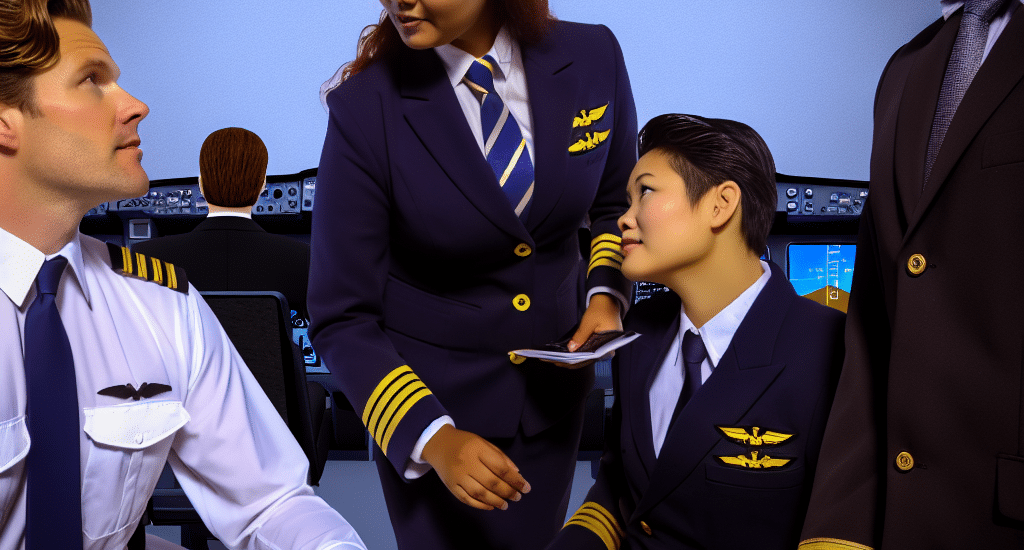
In today’s aviation industry, the success and safety of airline operations hinge significantly on the competency of their pilot crews. This has spawned a growing demand for specialized consulting services that focus on human resources (HR) strategies aimed at pilot training. The complexities of crew training and development necessitate a thorough understanding of not only aviation principles but also the frameworks that govern human behavior, performance assessments, and regulatory compliance. This article explores the multifaceted dimensions of pilot crew training consulting in human resources, evaluating its significance, methodologies, challenges, and future prospects.
The Increasing Demand for Qualified Pilots
The aviation industry faces an unprecedented demand for skilled pilots. Factors such as the recovery from global crises like the COVID-19 pandemic, increase in air travel, and the eventual retirement of existing pilots contribute to this pressing need. According to various industry reports, airlines will require hundreds of thousands of new pilots in the coming years to meet this demand. Consequently, sophisticated training programs have become paramount.
The role of human resources in this scenario is crucial. Effective HR strategies can optimize recruitment processes and training methodologies, ensuring that aspiring pilots not only enhance their skills but also align with the cultural and operational ethos of their organizations. This alignment becomes vital in team settings where communication, confidence, and collaboration can make or break missions.
Essential Components of Pilot Crew Training
To comprehend the nuances of pilot crew training, it’s essential to break down the various components that constitute an effective training program:
1. Regulatory Framework
Every country has its specific aviation regulatory authorities, such as the Federal Aviation Administration (FAA) in the United States and the European Union Aviation Safety Agency (EASA) in Europe. Understanding these regulations is critical for HR consultants working in pilot training. These authorities mandate specific training requirements, including simulator sessions, flight hours, and examinations, which must be integrated into the training programs.
2. Needs Assessment
Prior to launching any training initiative, HR consultants must conduct a needs assessment to identify gaps in skills and knowledge. This assessment can involve surveys, interviews, and performance reviews of current pilots. The goal is to develop tailored training programs that address specific deficiencies, while also taking into account the evolving landscape of aviation technology and operational standards.
3. Curriculum Development
Once the needs assessment is completed, the next step is curriculum development. An effective training program for pilots should include theoretical components, practical simulations, and classroom sessions, ensuring a balanced approach to learning.
-
Theoretical Training: This component focuses on imparting essential knowledge regarding aviation laws, meteorology, aircraft systems, and navigation principles.
-
Simulated Training: Utilizing advanced simulators, pilot trainees can engage in realistic flight scenarios that prepare them for real-world challenges without compromising safety.
-
In-flight Training: Once trainees have met the theoretical and simulated requirements, in-flight training with certified instructors solidifies their skills.
4. Evaluation and Assessment
Continuous performance evaluation is vital in pilot training. HR consulting in this area should focus on developing assessment tools that accurately reflect a pilot’s capabilities. Assessment methods can range from written examinations and simulator performance evaluations to peer reviews and self-assessments.
5. Mentorship Programs
Incorporating mentorship into pilot training can facilitate knowledge transfer and enhance skill development. Experienced pilots can provide insights, share experiences, and serve as role models for aspiring pilots. An HR consultant can design mentorship programs that effectively match mentors with mentees, fostering an environment of continuous learning and growth.
The Role of Technology in Training
Advancements in technology have transformed pilot crew training methodologies significantly. With the integration of Artificial Intelligence (AI), Virtual Reality (VR), and big data analytics, training programs can be more personalized and efficient.
-
Artificial Intelligence: AI can be utilized in data analysis to assess the performance of pilots and predict training needs based on individual learning speeds, enabling more customized training approaches.
-
Virtual Reality: VR training modules can create immersive environments that simulate actual flying conditions, making the learning experience more engaging and effective.
-
Data Analytics: Implementing data analytics can help track training progress and outcomes, providing HR consultants with invaluable insights into the efficacy of their training programs.
Challenges in Pilot Crew Training Consulting
While the field of pilot crew training consulting presents numerous opportunities, it is not without its challenges. Some of the primary obstacles include:
1. Regulatory Compliance
Navigating the complex web of regulatory requirements can be daunting, especially when considering the variances between countries and jurisdictions. Any lapses in compliance can lead to severe repercussions for airlines, making a thorough understanding of these regulations crucial for HR consultants.
2. Budget Constraints
Airlines often operate under stringent budgetary constraints, complicating the implementation of comprehensive training programs. Thus, HR consultants must devise cost-effective training solutions that do not compromise safety or quality.
3. Resistance to Change
The aviation industry is traditionally conservative, often showing reluctance to adopt new training methodologies or technologies. Overcoming this inertia requires persuasive strategies and a clear demonstration of the benefits associated with new training approaches.
4. Rapid Technology Evolution
The pace at which aviation technology evolves necessitates that pilot training programs are frequently revised to incorporate new systems and tools. This continuous evolution can place additional strain on HR consultants as they strive to remain compliant and relevant.
Building a Strong Organizational Culture around Training
A robust training program extends beyond the logistical aspects of skill development. Cultivating an organizational culture that values continuous learning and improvement can significantly enhance pilot performance. HR consultants can take the following approaches to foster such a culture:
1. Leadership Engagement
The commitment of top management toward training initiatives is critical. When leaders prioritize pilot training, it sends a strong message throughout the organization about its importance. Ensuring that leadership is engaged in program development and regularly evaluates its effectiveness can amplify its credibility.
2. Collaborative Learning Environment
Encouraging teamwork and collaboration among pilots enhances learning outcomes. By creating platforms for pilots to share experiences and challenges, HR can cultivate a sense of community and collective responsibility.
3. Incentivizing Learning
Recognizing and rewarding achievements related to training can motivate pilots to engage actively in their professional development. HR consultants can develop recognition programs that celebrate milestones, further embedding the importance of continuous improvement within the organization.
4. Feedback Mechanisms
Establishing robust feedback mechanisms enables HR consultants to gather insights from pilots regarding the training process. This input is invaluable for refining training strategies and ensuring they remain aligned with the needs of both the organization and its personnel.
Future Prospects in Pilot Training Consulting
As the aviation landscape evolves, so too will the role of HR in pilot crew training consulting. The future may bring several key trends:
1. Focus on Soft Skills
While technical proficiency is paramount, the growing recognition of soft skills—such as communication, decision-making, and teamwork—will undoubtedly shape future training programs. HR consultants will need to integrate these elements into training curricula to prepare pilots effectively for the complex social dynamics of the cockpit.
2. Diversity and Inclusion
As the aviation industry works toward fostering a more diverse workforce, HR strategies will need to reflect and support these efforts. This includes equitable recruitment practices, tailored training programs, and initiatives aimed at promoting inclusive working environments.
3. Globalization of Training
With airlines operating on an increasingly international level, pilot training programs will likely need to adopt a more global perspective. This could mean standardizing training approaches across international boundaries while still adhering to local regulations and cultural nuances.
4. Lifelong Learning
The concept of lifelong learning will become more pronounced in pilot training. HR consultants will need to create frameworks that support ongoing education and skill enhancement throughout a pilot’s career, ensuring they stay current with evolving technologies and methodologies.
Conclusion
Pilot crew training consulting in human resources is an evolving field critical to the safety and efficacy of aviation operations. By focusing on comprehensive needs assessments, innovative training methodologies, regulatory compliance, and fostering a culture of continuous improvement, organizations can empower their pilot crews to achieve and maintain high standards of performance. As the aviation landscape changes, so too will the strategies required to ensure that pilots are not only skilled in their technical abilities but also adept in essential soft skills necessary for effective collaboration and communication in increasingly complex operational environments.