

The case for establishing independent power plants near Delta gas reserves
- Posted by: PSL
- Categories: BRICS News, Financial Management, Human Resources and Talent Management, International Business and Market Entry, Marketing and Sales, News Blog, Operations and Process Improvement, Organizational Development, Risk Management and Compliance, Strategy and Planning, Technology and Digital Transformation
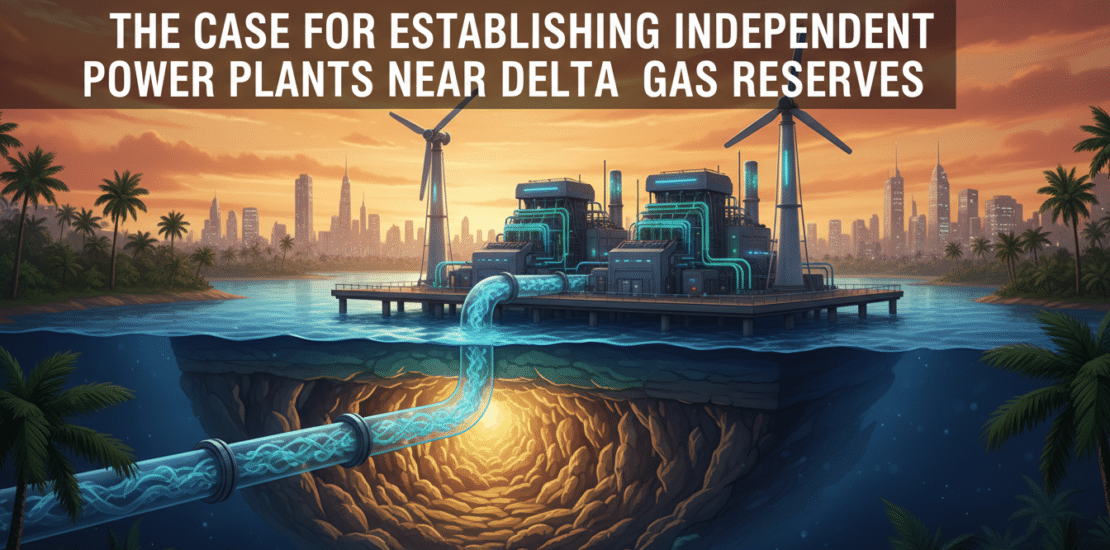
The Case for Establishing Independent Power Plants Near Delta Gas Reserves: Fueling Development and Mitigating Energy Poverty
The Niger Delta region of Nigeria is a paradox. It holds vast reserves of natural gas, yet remains plagued by energy poverty, environmental degradation, and limited economic opportunities for its inhabitants. While the nation grapples with insufficient electricity supply, the potential of Delta gas reserves to alleviate this crisis is immense. However, traditional approaches to power generation, centralized grid systems, and government-controlled energy infrastructure have often proven inefficient and ineffective in reaching the communities that need it most. This article argues strongly for the establishment of independent power plants (IPPs) situated strategically near Delta gas reserves, highlighting the myriad benefits this approach offers, from improved energy access and economic diversification to environmental sustainability and community empowerment.
1. Addressing the Energy Deficit: A Localized Solution to a National Problem
Nigeria’s electricity supply is notoriously unreliable and inadequate, with a national grid often unable to meet peak demand. This deficiency stifles economic growth, hinders industrial development, and severely impacts the quality of life for millions. While ambitious national power projects are crucial, they often face delays, bureaucratic hurdles, and transmission losses that diminish their effectiveness. Building IPPs directly near Delta gas reserves offers a more immediate and targeted solution.
By utilizing the readily available gas resources in the region, these IPPs can circumvent the need for long-distance gas pipelines, reducing both construction costs and operational risks. The proximity to the fuel source also minimizes the likelihood of gas supply disruptions, a common problem that plagues many centralized power plants reliant on distant gas fields. This localized approach enables a more stable and predictable power supply, fostering greater confidence among potential investors and consumers alike.
Furthermore, the establishment of IPPs can be tailored to meet the specific energy needs of the surrounding communities. Instead of relying on a centralized grid designed to serve urban centers, these plants can prioritize the electrification of rural areas, industrial estates, and agricultural centers within the Delta region. This targeted approach maximizes the impact of the power generated, ensuring that it directly contributes to the economic development and social well-being of the local population. Mini-grids powered by these IPPs can connect villages and towns, bringing electricity to homes, schools, hospitals, and businesses that have long been underserved.
2. Economic Diversification and Job Creation: Transforming the Delta Economy
The Niger Delta economy has historically been overly reliant on crude oil production, making it vulnerable to fluctuations in global oil prices and exacerbating socio-economic inequalities. The establishment of IPPs near gas reserves presents a significant opportunity to diversify the economy and create new avenues for sustainable development.
The construction and operation of these power plants will generate numerous jobs for local residents, ranging from skilled technicians and engineers to laborers and administrative staff. This influx of employment opportunities will help to reduce unemployment rates and improve the overall economic prospects of the region. Moreover, the presence of a reliable and affordable power supply will attract new industries and businesses to the Delta, further diversifying the economy and creating even more jobs.
For example, the availability of consistent electricity can support the development of agro-processing industries, enabling local farmers to add value to their produce and access wider markets. It can also foster the growth of small and medium-sized enterprises (SMEs) in various sectors, providing them with the necessary infrastructure to compete effectively. This economic diversification will not only create more jobs but also reduce the region’s dependence on the volatile oil sector, making it more resilient to economic shocks.
Beyond direct employment, the establishment of IPPs will also stimulate indirect economic activity. Local businesses will benefit from increased demand for goods and services, while the improved infrastructure and electricity supply will attract investment in other sectors. This ripple effect will contribute to a more vibrant and dynamic economy in the Delta region, creating a virtuous cycle of growth and development.
3. Environmental Sustainability: Utilizing Gas to Reduce Flaring and Promote Cleaner Energy
Gas flaring, the burning of associated gas produced during oil extraction, is a major environmental problem in the Niger Delta, contributing to air pollution, climate change, and the destruction of ecosystems. Establishing IPPs near gas reserves offers a viable solution to this problem by utilizing the gas that would otherwise be flared.
By capturing and utilizing associated gas to generate electricity, IPPs can significantly reduce greenhouse gas emissions and improve air quality in the region. This will not only benefit the environment but also improve the health and well-being of the local population, who are disproportionately affected by the harmful effects of gas flaring.
Furthermore, the development of gas-fired power plants can serve as a bridge to a cleaner energy future. As renewable energy technologies become more affordable and accessible, IPPs can gradually transition to using cleaner fuels, such as hydrogen or biogas, or integrate renewable energy sources, such as solar or wind, into their energy mix. This will ensure that the Delta region can continue to benefit from its natural gas resources while also reducing its carbon footprint.
In addition to reducing gas flaring, IPPs can also promote environmental sustainability by adopting best practices in waste management, water conservation, and pollution control. This will help to minimize the environmental impact of power generation and ensure that the benefits of electricity access are not offset by environmental degradation.
4. Community Empowerment and Social Development: Ensuring Inclusivity and Addressing Grievances
The establishment of IPPs near Delta gas reserves must be approached in a way that empowers local communities and addresses their legitimate concerns. This requires engaging with communities from the outset, ensuring that they are involved in the planning and decision-making processes.
Transparency and accountability are crucial for building trust and fostering a sense of ownership among local residents. IPPs should be required to disclose information about their operations, environmental impact, and community development initiatives. They should also establish mechanisms for receiving and addressing complaints from the community.
Moreover, IPPs should prioritize the employment of local residents and provide them with training and skills development opportunities. This will not only create jobs but also empower communities to participate more fully in the benefits of the energy sector. In addition, IPPs should invest in community development projects, such as schools, hospitals, and infrastructure improvements, to demonstrate their commitment to the well-being of the local population.
By ensuring that communities are actively involved in the development and operation of IPPs, it is possible to mitigate potential conflicts and build a more sustainable and equitable energy future for the Niger Delta. This approach will not only improve energy access but also foster social cohesion, reduce poverty, and empower communities to shape their own development.
5. Regulatory Framework and Investment Incentives: Creating a Conducive Environment for IPP Development
The successful establishment of IPPs near Delta gas reserves requires a supportive regulatory framework and attractive investment incentives. The government must create a clear and predictable regulatory environment that encourages private sector participation and minimizes bureaucratic hurdles.
This includes streamlining the licensing and permitting processes for IPPs, ensuring that tariffs are cost-reflective and commercially viable, and providing guarantees against political risk. The government should also consider offering tax incentives and other financial support to encourage investment in IPP projects.
Furthermore, the regulatory framework should ensure that IPPs operate in a transparent and accountable manner, adhering to environmental standards and community development obligations. This will help to build trust and foster a sustainable relationship between IPPs and local communities.
The government should also work to strengthen the capacity of local regulatory agencies to monitor and enforce compliance with regulations. This will ensure that IPPs operate responsibly and that the benefits of electricity access are not achieved at the expense of environmental or social well-being.
6. Technological Considerations and Innovation: Optimizing Efficiency and Reducing Costs
The choice of technology for IPPs near Delta gas reserves should be carefully considered to optimize efficiency, reduce costs, and minimize environmental impact. Modern gas turbine technology offers high efficiency and reliability, making it a suitable option for power generation.
Combined cycle gas turbines (CCGTs), which utilize waste heat from the gas turbine to generate additional electricity, can further improve efficiency and reduce fuel consumption. Alternatively, reciprocating gas engines can be a cost-effective option for smaller-scale power plants, particularly in rural areas.
The integration of smart grid technologies, such as advanced metering infrastructure (AMI) and demand-side management (DSM) systems, can also improve the efficiency and reliability of the electricity grid. These technologies enable better monitoring and control of electricity consumption, reducing losses and optimizing the utilization of power generated by IPPs.
Furthermore, the adoption of innovative financing mechanisms, such as crowdfunding and public-private partnerships (PPPs), can help to mobilize capital for IPP projects. These mechanisms can attract a wider range of investors and reduce the reliance on traditional sources of funding.
7. Addressing Security Concerns: Ensuring the Safety and Stability of IPP Operations
Security is a major concern in the Niger Delta region, and measures must be taken to ensure the safety and stability of IPP operations. This requires engaging with local communities and security agencies to develop a comprehensive security plan.
The security plan should include measures to protect IPP infrastructure from vandalism, sabotage, and theft. It should also include measures to prevent and respond to potential attacks by militant groups.
Community policing initiatives can be an effective way to improve security and build trust between IPPs and local residents. These initiatives involve training and equipping local residents to assist in maintaining security in their communities.
Furthermore, IPPs should work to address the root causes of insecurity by investing in community development projects and providing employment opportunities for local residents. This will help to reduce grievances and foster a sense of ownership among communities, making them less likely to support or participate in criminal activities.
By addressing security concerns in a comprehensive and collaborative manner, it is possible to create a safe and stable environment for IPP operations, ensuring that the benefits of electricity access are not undermined by insecurity.
In conclusion, the case for establishing independent power plants near Delta gas reserves is compelling. By addressing the energy deficit, diversifying the economy, promoting environmental sustainability, empowering communities, and creating a conducive regulatory environment, this approach can unlock the vast potential of Delta gas to fuel development and mitigate energy poverty in the region. The successful implementation of this strategy requires a concerted effort from the government, private sector, and local communities, working together to create a brighter and more prosperous future for the Niger Delta.
Related Posts
 The Case for Building a Gas-Powered Data Center in Delta State
 Delta Stateʼs Gas Reserves A Foundation for New Age Industries
 Why Delta State represents the next frontier for Nigerian gas to power investments
 Tapping into Deltaʼs Oil and Gas Ecosystem with Government Backing
 The strategic importance of Akwa Ibom gas reserves for industrial parks
 Why data center operators should leverage Delta State gas powered energy grids
 How the Delta State coastline provides a strategic edge for oil and gas exporters
 Scaling data center capacity to meet the surging digital demand in Delta state Nigeria