
Why data center operators should leverage Delta State gas powered energy grids
- Posted by: PSL
- Categories: BRICS News, Financial Management, Human Resources and Talent Management, International Business and Market Entry, Marketing and Sales, News Blog, Operations and Process Improvement, Organizational Development, Risk Management and Compliance, Strategy and Planning, Technology and Digital Transformation
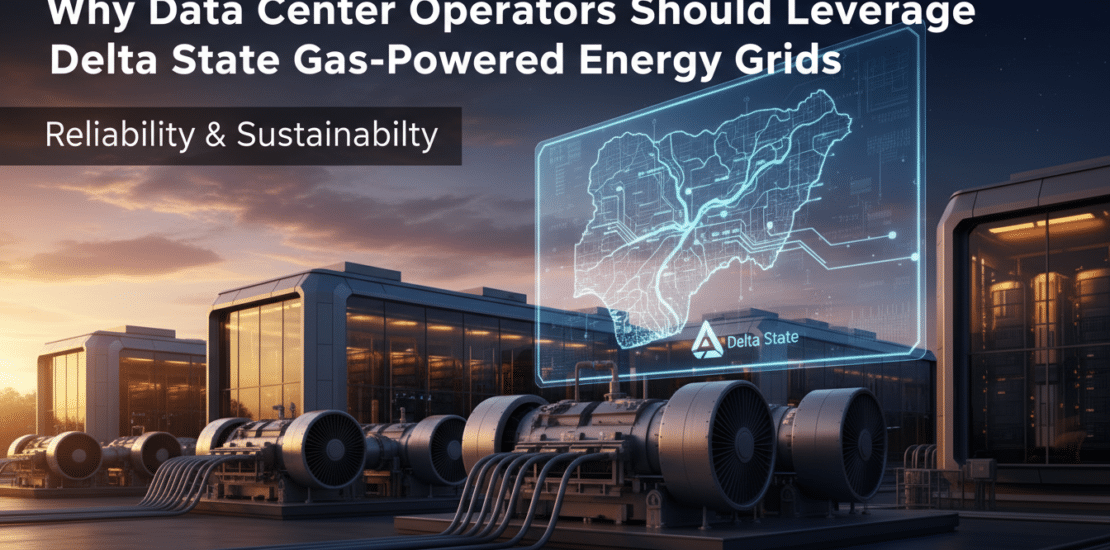
Why Data Center Operators Should Leverage Delta State Gas-Powered Energy Grids: Stability, Sustainability, and Scalability in a Demanding Landscape
Data centers, the digital engines driving modern society, are insatiable consumers of energy. Their relentless operation, processing, and storage of vast amounts of information demands a reliable and cost-effective power supply. As the digital economy continues to expand exponentially, data center operators are facing increasing pressure to secure sustainable and scalable energy solutions. While renewable energy sources like solar and wind are gaining traction, their intermittent nature often necessitates backup power sources. In this context, exploring alternative energy solutions like gas-powered grids, particularly in regions like Delta State, Nigeria, which boasts substantial natural gas reserves, presents a compelling opportunity.
Delta State, located in the Niger Delta region of Nigeria, is a significant oil and gas producing area. Its abundance of natural gas offers a readily available and potentially cheaper energy source compared to importing fuel or relying solely on the often-unreliable national grid. Leveraging this resource for data center power generation presents a multitude of advantages, addressing the key concerns of data center operators: stability, sustainability, and scalability.
Stability: Ensuring Uninterrupted Uptime in a Mission-Critical Environment
Data centers are the backbone of numerous critical services, from financial transactions and healthcare records to e-commerce and government operations. Any interruption in power supply can result in significant financial losses, reputational damage, and even jeopardize human lives. Therefore, stability and redundancy are paramount concerns for data center operators.
The national power grid in Nigeria, like in many developing countries, is prone to outages and fluctuations. These disruptions can be caused by aging infrastructure, insufficient capacity, and inadequate maintenance. Relying solely on the national grid exposes data centers to significant operational risks. While backup generators powered by diesel are commonly used, they are expensive to operate, emit harmful pollutants, and require frequent refueling.
Gas-powered energy grids, utilizing the readily available natural gas resources of Delta State, offer a more stable and reliable alternative. Here’s why:
-
Continuous and Predictable Power Supply: Unlike renewable energy sources that are dependent on weather conditions, natural gas power plants can operate continuously, providing a predictable and stable power supply. This allows data centers to maintain uninterrupted operations and avoid costly downtime.
-
Local Resource Availability: Utilizing local natural gas resources reduces reliance on external fuel supplies, mitigating the risks associated with fluctuating fuel prices and potential supply chain disruptions. Delta State’s strategic location and established gas infrastructure ensure a consistent and reliable fuel source for the power plants.
-
Grid Stabilization and Ancillary Services: Gas-powered plants can provide crucial grid stabilization services, such as frequency regulation and voltage support, which are essential for maintaining the overall stability of the power grid. This not only benefits the data center itself but also contributes to the reliability of the wider energy infrastructure.
-
Integration with Renewable Energy Sources: Gas-powered plants can serve as a flexible and responsive backup for renewable energy sources. When solar or wind power generation is low, gas-powered plants can quickly ramp up production to fill the gap, ensuring a continuous and reliable power supply for the data center. This hybrid approach allows data centers to maximize their utilization of renewable energy while maintaining operational stability.
- Reduced Reliance on Diesel Generators: By providing a reliable gas-powered grid, data centers can significantly reduce their reliance on diesel generators for backup power. This reduces operational costs associated with fuel procurement and maintenance, and it also minimizes the environmental impact of diesel emissions.
Sustainability: Reducing the Environmental Footprint of Data Center Operations
The increasing energy demands of data centers are raising concerns about their environmental impact. Data center operators are under pressure to reduce their carbon footprint and adopt more sustainable energy practices. While renewable energy sources are an important part of the solution, they are not always a feasible option due to their intermittent nature and geographic limitations.
Natural gas, while a fossil fuel, offers a cleaner alternative to coal and diesel for power generation. Modern gas-powered plants can achieve higher energy efficiencies and lower emissions compared to older technologies. Furthermore, the natural gas resources in Delta State are often associated with flared gas, which is a significant source of greenhouse gas emissions. Utilizing this flared gas for power generation can significantly reduce its environmental impact.
Here’s how leveraging Delta State’s gas-powered energy grids contributes to data center sustainability:
-
Lower Carbon Emissions Compared to Coal and Diesel: Natural gas combustion produces significantly lower carbon dioxide emissions compared to coal and diesel. This reduces the overall carbon footprint of data center operations and helps mitigate climate change.
-
Reduced Air Pollution: Natural gas combustion also produces lower levels of air pollutants, such as sulfur dioxide and particulate matter, compared to coal and diesel. This improves air quality and reduces the health impacts associated with air pollution.
-
Utilization of Flared Gas: Capturing and utilizing flared gas for power generation reduces greenhouse gas emissions and waste. This provides a win-win scenario, converting a harmful waste product into a valuable energy resource.
-
Water Conservation: Gas-powered plants typically require less water for cooling compared to coal-fired power plants. This is particularly important in regions where water resources are scarce.
-
Pathway to Renewable Energy Integration: As renewable energy technologies continue to develop and become more cost-effective, gas-powered plants can serve as a bridge to a fully renewable energy future. Gas-powered plants can provide the necessary backup and flexibility to support the integration of larger amounts of renewable energy into the grid.
- Compliance with Environmental Regulations: As environmental regulations become more stringent, data center operators need to adopt sustainable energy practices to comply with these regulations. Leveraging Delta State’s gas-powered energy grids can help data centers meet their environmental obligations and avoid costly penalties.
Scalability: Meeting the Growing Energy Demands of the Digital Economy
The demand for data center services is growing exponentially, driven by factors such as cloud computing, big data analytics, and the Internet of Things. Data center operators need to be able to scale their energy capacity to meet this growing demand. Traditional energy sources, such as coal and nuclear, are often difficult and expensive to scale.
Natural gas, on the other hand, offers a more flexible and scalable energy solution. Gas-powered plants can be built quickly and efficiently, allowing data center operators to expand their energy capacity as needed. Furthermore, the abundance of natural gas resources in Delta State ensures that there is sufficient fuel to support the long-term growth of the data center industry.
Here’s how leveraging Delta State’s gas-powered energy grids supports data center scalability:
-
Rapid Deployment of New Power Plants: Gas-powered plants can be built and commissioned much faster than other types of power plants, such as coal or nuclear. This allows data center operators to quickly expand their energy capacity to meet growing demand.
-
Modular Design: Gas-powered plants can be designed in a modular fashion, allowing data center operators to add capacity in smaller increments as needed. This provides greater flexibility and avoids over-investing in energy infrastructure.
-
Abundant Natural Gas Resources: The abundance of natural gas resources in Delta State ensures that there is sufficient fuel to support the long-term growth of the data center industry. This eliminates concerns about fuel scarcity and price volatility.
-
Integration with Distributed Generation: Gas-powered plants can be integrated with distributed generation technologies, such as combined heat and power (CHP) systems, to further improve energy efficiency and reduce costs.
-
Attracting Investment: A reliable and scalable energy infrastructure can attract investment in the data center industry. Data center operators are more likely to invest in regions where they can be confident that they will have access to a stable and affordable power supply.
- Supporting Economic Growth: The growth of the data center industry can create jobs and stimulate economic growth in Delta State. By leveraging its natural gas resources to power data centers, Delta State can become a hub for digital innovation and economic development.
In conclusion, leveraging Delta State’s gas-powered energy grids offers a compelling solution for data center operators seeking stability, sustainability, and scalability. By utilizing local natural gas resources, data centers can ensure uninterrupted uptime, reduce their environmental footprint, and meet the growing energy demands of the digital economy. This approach not only benefits data center operators but also contributes to the economic development of Delta State and the broader energy security of Nigeria. As the digital economy continues to expand, the importance of reliable and sustainable energy sources for data centers will only increase, making gas-powered grids in resource-rich regions like Delta State an increasingly attractive option.
Why Data Center Operators Should Leverage Delta State Gas Powered Energy Grids: A Deep Dive into Economic Advantages
The preceding discussion illuminated the operational and environmental benefits of Delta State’s gas-powered energy grids for data centers. However, the economic advantages are equally compelling and should be a central consideration for any data center operator evaluating their power strategy. In a highly competitive market where minimizing operational expenses is crucial, the cost-effectiveness, investment incentives, and economic impact of tapping into Delta State’s natural gas reserves are significant factors.
Cost-Effectiveness: Optimizing Power Costs in a Competitive Landscape
Data centers operate on razor-thin margins, and power consumption is typically their largest operational expense. Minimizing power costs directly impacts profitability and competitiveness. Leveraging Delta State’s gas-powered energy grids presents several avenues for achieving significant cost savings compared to relying solely on the national grid or diesel generators.
-
Lower Fuel Costs: Natural gas is generally cheaper than diesel fuel, especially when sourced locally. Delta State’s proximity to natural gas fields and its established gas processing infrastructure translate to lower fuel transportation costs and reduced price volatility. This directly translates to lower operating expenses for gas-powered plants compared to diesel generators. The savings can be substantial, especially considering the constant power demands of a data center.
-
Reduced Maintenance Costs: Gas-powered plants typically require less maintenance than diesel generators. Natural gas burns cleaner, reducing wear and tear on engine components. This translates to lower maintenance costs and increased uptime for the power plants. Regular maintenance is crucial for all power generation systems, but the frequency and complexity are generally lower for gas-powered systems compared to diesel.
-
Elimination of Diesel Fuel Storage Costs: Relying on gas-powered grids eliminates the need for large on-site diesel fuel storage tanks. This saves on storage costs, reduces the risk of fuel spills and environmental contamination, and frees up valuable real estate within the data center facility. Diesel storage requires specialized infrastructure, safety protocols, and regular inspections, all contributing to significant costs that are avoided with natural gas.
-
Potential for Combined Heat and Power (CHP) Systems: Natural gas can be used in CHP systems, which generate both electricity and heat. The heat generated by the power plant can be used to heat or cool the data center, further reducing energy costs. This integrated approach significantly increases overall energy efficiency and reduces waste. Data centers often require significant cooling, making CHP a particularly attractive option.
-
Negotiating Favorable Power Purchase Agreements (PPAs): With multiple gas-powered plants potentially operating in the region, data center operators can negotiate favorable PPAs with energy providers. This competition can drive down power prices and ensure a stable and predictable cost of electricity. Long-term PPAs can provide price certainty and protect data centers from volatile energy markets.
-
Reduced Grid Connection Costs: Locating data centers near gas-powered plants can reduce the cost of connecting to the power grid. Shorter transmission lines result in lower infrastructure costs and reduced transmission losses. This is a significant advantage compared to locating in areas with limited grid infrastructure or unreliable power supply.
- Access to Government Incentives and Subsidies: Governments often offer incentives and subsidies to promote the development of gas-powered energy infrastructure and attract investments in the energy sector. Data center operators can potentially benefit from these incentives, further reducing their operational costs. Incentives can range from tax breaks to direct financial assistance.
Investment Incentives: Attracting Capital and Reducing Upfront Costs
Building a data center is a capital-intensive undertaking. Access to investment incentives and favorable financing options can significantly reduce the upfront costs and make the project more financially viable. Leveraging Delta State’s gas-powered energy grids can unlock a range of investment opportunities and incentives.
-
Government Support for Gas Infrastructure Development: The Nigerian government is actively promoting the development of gas infrastructure in the Niger Delta region. This includes pipelines, gas processing plants, and gas-fired power plants. Data center operators can benefit from this government support by partnering with energy companies to develop dedicated gas-powered grids for their facilities. Government involvement can streamline the permitting process, reduce regulatory hurdles, and provide financial assistance.
-
Public-Private Partnerships (PPPs): PPPs can be used to finance the development of gas-powered energy grids. Data center operators can partner with government agencies and private investors to share the costs and risks of the project. PPPs can provide access to a wider pool of capital and expertise.
-
Access to International Funding: International development agencies and financial institutions are increasingly investing in sustainable energy projects in developing countries. Data center operators can potentially access this funding by demonstrating the environmental and economic benefits of leveraging Delta State’s gas-powered energy grids. This funding can provide concessional financing terms and reduce the overall cost of capital.
-
Tax Incentives and Exemptions: Governments may offer tax incentives and exemptions to attract investments in data centers and energy infrastructure. These incentives can include reduced corporate income tax rates, tax holidays, and exemptions from import duties on equipment and materials.
-
Simplified Regulatory Processes: Governments are often willing to streamline regulatory processes for projects that promote economic development and energy security. This can reduce the time and cost of obtaining permits and approvals, making it easier to build and operate data centers.
- Land Acquisition Support: Governments may provide assistance with land acquisition for data center facilities and associated energy infrastructure. This can help to reduce the upfront costs and streamline the development process.
Economic Impact: Creating Jobs and Stimulating Regional Growth
Investing in data centers and gas-powered energy grids can have a significant positive impact on the local economy. Data centers create jobs, attract investment, and stimulate regional growth. By leveraging Delta State’s gas resources, data center operators can contribute to the economic development of the region and benefit from a skilled workforce and a supportive business environment.
-
Job Creation: Data centers create a wide range of jobs, from construction and maintenance to IT support and management. The development of gas-powered energy grids also creates jobs in the energy sector. These jobs can help to reduce unemployment and poverty in Delta State.
-
Skills Development: The development of data centers and energy infrastructure can lead to the development of new skills and expertise in the local workforce. This can improve the competitiveness of the region and attract further investment. Training programs and educational initiatives can be established to ensure that the local workforce has the skills needed to support the data center industry.
-
Increased Tax Revenues: Data centers and energy companies pay taxes to the government, which can be used to fund public services and infrastructure development. Increased tax revenues can help to improve the quality of life in Delta State.
-
Attracting Further Investment: The presence of data centers and a reliable energy supply can attract further investment in other industries. This can create a virtuous cycle of economic growth and development.
-
Diversification of the Economy: The development of the data center industry can help to diversify the economy of Delta State, which is currently heavily reliant on oil and gas. This can make the region more resilient to economic shocks.
- Improved Infrastructure: The development of data centers and energy infrastructure can lead to improvements in other infrastructure, such as roads, telecommunications, and water supply. This can benefit the wider community and improve the overall business environment.
In conclusion, the economic advantages of leveraging Delta State’s gas-powered energy grids for data centers are substantial and multifaceted. From lower operating costs and attractive investment incentives to positive economic impact and regional development, the benefits extend far beyond the data center’s bottom line. By carefully considering these economic factors, data center operators can make informed decisions that not only optimize their power strategy but also contribute to the sustainable development of Delta State and the wider Nigerian economy. The combination of readily available natural gas resources, government support, and a growing demand for data center services makes Delta State an attractive location for data center investment.