

How Kaduna State uses rail connectivity to drive down logistics costs
- Posted by: PSL
- Categories: BRICS News, Financial Management, Human Resources and Talent Management, International Business and Market Entry, Marketing and Sales, News Blog, Operations and Process Improvement, Organizational Development, Risk Management and Compliance, Strategy and Planning, Technology and Digital Transformation
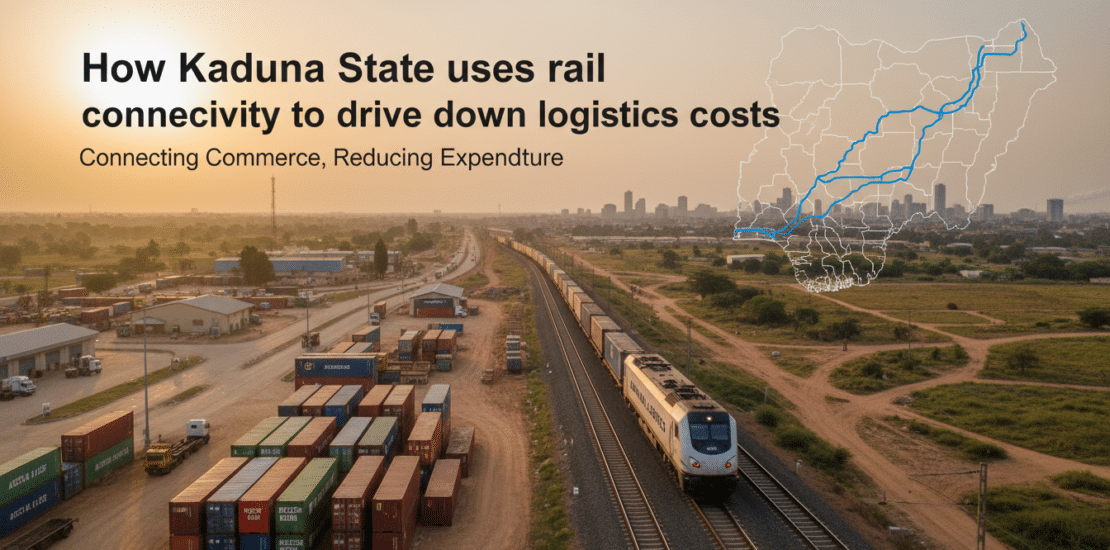
How Kaduna State Uses Rail Connectivity to Drive Down Logistics Costs
Kaduna State, a major economic hub in Northern Nigeria, has recognized the crucial role of efficient and cost-effective logistics in fostering economic growth and attracting investment. Understanding that high transportation costs can significantly hamper competitiveness, the state government has strategically leveraged its rail connectivity, coupled with infrastructural development and supportive policies, to drive down logistics expenses and boost its economic potential. This comprehensive strategy, focusing on maximizing the benefits of rail transport, encompasses not only the movement of goods but also the creation of related economic opportunities and the enhancement of overall connectivity within the state and beyond.
Kaduna’s Strategic Advantage: A Historical Rail Hub
Kaduna’s historical significance as a pivotal railway junction in Nigeria provides a significant advantage in its pursuit of reduced logistics costs. Established during the colonial era, the city was a vital link in the railway network connecting the north to the south, facilitating trade and movement of people. This legacy infrastructure, though requiring significant modernization and upgrades, provided a solid foundation upon which the state government could build. The existing rail lines, coupled with new initiatives, allow Kaduna to tap into established trade routes and access key markets in other regions of Nigeria.
The railway network provides an alternative to the heavily congested road network, which is plagued by poor maintenance, security concerns, and exorbitant costs associated with fuel, vehicle wear and tear, and driver salaries. By shifting freight movement from road to rail, Kaduna State significantly reduces these costs, making its businesses more competitive. This advantage is especially crucial for industries dealing with bulky commodities, such as agricultural produce, minerals, and manufactured goods. The sheer volume of goods that can be transported by rail, compared to individual trucks, allows for economies of scale, further reducing the per-unit transportation cost.
Furthermore, the inherent safety advantages of rail transport compared to road transport contribute to cost savings. Reduced risk of accidents and cargo theft translate into lower insurance premiums and reduced losses associated with damage or pilferage of goods in transit. This enhanced security environment attracts businesses that prioritize the safety and integrity of their supply chains.
Strategic Investments in Rail Infrastructure and Logistics Hubs
Recognizing the potential of its rail connectivity, the Kaduna State government has undertaken significant investments in modernizing railway infrastructure and developing integrated logistics hubs. These investments are crucial to maximizing the efficiency and effectiveness of the rail network and creating a conducive environment for businesses to utilize rail transport.
-
Rehabilitation and Modernization of Existing Rail Lines: A key component of Kaduna’s strategy is the ongoing rehabilitation and modernization of existing rail lines within the state. This includes upgrading tracks, signaling systems, and communication infrastructure to enhance the speed, reliability, and safety of rail transport. The implementation of modern signaling systems, for instance, allows for increased train frequency and reduced transit times, further improving efficiency and lowering transportation costs. The use of improved track materials and maintenance techniques extends the lifespan of the infrastructure and reduces the need for frequent repairs, resulting in long-term cost savings.
-
Development of Inland Container Depots (ICDs): The state government has strategically promoted the development of Inland Container Depots (ICDs) in Kaduna. These ICDs serve as dry ports, extending the seaports’ services inland and facilitating the efficient transfer of cargo between rail and road transport. The Kaduna ICD is particularly important as it provides shippers in the northern states with a direct link to seaports in Lagos and Port Harcourt, bypassing the congested Lagos ports and reducing the costs and delays associated with transporting goods by road to and from these ports.
The ICDs are equipped with modern cargo handling equipment, warehousing facilities, and customs clearance services, streamlining the logistics process and reducing the time and cost associated with import and export operations. By handling customs clearance procedures inland, businesses can avoid the delays and congestion often experienced at seaports, leading to faster turnaround times and reduced demurrage charges.
-
Construction of Warehousing and Distribution Centers: In addition to ICDs, the state government has facilitated the construction of warehousing and distribution centers strategically located near railway stations and major transportation arteries. These facilities provide businesses with storage space for goods awaiting transportation or distribution, optimizing inventory management and reducing logistics costs. These centers often incorporate cold storage facilities for perishable goods, further enhancing the competitiveness of the agricultural sector.
- Integration with Road Transportation: Kaduna State recognizes that rail transport is not a complete solution for all logistics needs. Therefore, it emphasizes the integration of rail transport with road transportation through the development of efficient intermodal transfer facilities. These facilities allow for the seamless transfer of goods between rail and road vehicles, ensuring that businesses can access even remote locations within the state and beyond. This integration is crucial for optimizing the "last mile" delivery, which often accounts for a significant portion of overall transportation costs.
Supportive Policies and Incentives to Encourage Rail Usage
Beyond infrastructure development, the Kaduna State government has implemented various supportive policies and incentives to encourage businesses to utilize rail transport. These policies are designed to address specific challenges and create a more favorable environment for rail freight.
-
Reduced Tariffs and Fees: The state government has negotiated with railway operators to offer reduced tariffs and fees for businesses that utilize rail transport. This direct cost savings provides a significant incentive for businesses to shift their freight movement from road to rail. Furthermore, reduced handling charges at the ICDs and other logistics facilities further lower the overall cost of using rail transport.
-
Simplified Customs Procedures: Recognizing the importance of efficient customs clearance, the state government has worked with the Nigeria Customs Service to simplify customs procedures at the Kaduna ICD. This includes streamlining documentation requirements, reducing inspection times, and implementing electronic data interchange (EDI) systems to facilitate faster and more efficient processing of import and export transactions.
-
Investment Promotion and Awareness Campaigns: The state government actively promotes the benefits of rail transport through investment promotion campaigns and awareness programs. These initiatives are designed to educate businesses about the cost savings, efficiency gains, and other advantages of using rail transport. The government also actively engages with businesses to understand their logistics needs and provide tailored solutions that leverage the rail network.
- Security Enhancement Measures: Recognizing security concerns as a major impediment to logistics efficiency, the Kaduna State government has implemented measures to enhance security along railway lines and at logistics facilities. This includes deploying security personnel, installing surveillance systems, and working with local communities to ensure the safety and security of goods in transit. These measures reduce the risk of theft and damage, resulting in lower insurance costs and increased confidence in the rail transport system.
Impact on Key Sectors and the Kaduna Economy
Kaduna’s strategic focus on rail connectivity and logistics optimization has had a significant positive impact on key sectors of the state’s economy.
-
Agriculture: The agricultural sector, a major contributor to Kaduna’s economy, has benefited significantly from reduced transportation costs. The efficient movement of agricultural produce from rural areas to urban markets and processing facilities has improved farmers’ profitability and reduced post-harvest losses. The availability of cold storage facilities at warehousing and distribution centers further enhances the competitiveness of the agricultural sector by preserving the quality and extending the shelf life of perishable goods.
-
Manufacturing: Reduced transportation costs have made Kaduna’s manufacturing sector more competitive by lowering the cost of raw materials and finished goods. The efficient movement of manufactured goods to markets in other regions of Nigeria and beyond has expanded the market reach of Kaduna-based manufacturers. This has attracted new investments in the manufacturing sector, leading to job creation and economic growth.
-
Mining: The mining sector in Kaduna State also benefits significantly from the efficient and cost-effective transportation of minerals by rail. The bulk transport capabilities of rail allow for the economical movement of large quantities of minerals from mining sites to processing plants and export terminals. This has stimulated investment in the mining sector and increased its contribution to the state’s economy.
- Trade and Commerce: The improved logistics environment has fostered trade and commerce in Kaduna State by reducing the cost and time associated with import and export transactions. The availability of ICDs and other logistics facilities has streamlined the customs clearance process and facilitated faster turnaround times, making Kaduna a more attractive destination for businesses engaged in international trade.
Challenges and Future Directions
Despite the significant progress made in leveraging rail connectivity to reduce logistics costs, Kaduna State still faces several challenges.
-
Aging Infrastructure: While significant investments have been made in upgrading existing rail lines, much of the infrastructure is still aging and requires further modernization. Continued investment in infrastructure upgrades is crucial to ensuring the long-term sustainability and efficiency of the rail network.
-
Coordination with Federal Agencies: Effective coordination with federal agencies, such as the Nigerian Railway Corporation and the Nigeria Customs Service, is essential for streamlining logistics processes and ensuring the smooth operation of the rail network. Improved communication and collaboration are needed to address issues such as train scheduling, customs clearance, and security.
-
Private Sector Participation: Increased private sector participation is crucial for driving innovation and efficiency in the logistics sector. The state government should continue to encourage private investment in rail infrastructure, logistics facilities, and related services.
- Skills Development: Developing a skilled workforce is essential for operating and maintaining the rail network and logistics facilities. The state government should invest in training programs to equip local workers with the skills needed to support the growth of the logistics sector.
Looking forward, Kaduna State needs to continue to build upon its successes by:
- Expanding the Rail Network: Exploring the possibility of extending the rail network to connect more remote areas within the state and neighboring regions.
- Investing in Technology: Adopting modern technologies, such as real-time tracking systems and automated cargo handling equipment, to further improve efficiency and reduce costs.
- Promoting Green Logistics: Implementing sustainable logistics practices to reduce the environmental impact of transportation activities.
By addressing these challenges and pursuing these future directions, Kaduna State can further solidify its position as a leading logistics hub in Northern Nigeria and unlock its full economic potential. The state’s proactive approach to leveraging rail connectivity provides a valuable model for other states in Nigeria and beyond, demonstrating the transformative power of efficient and cost-effective logistics in driving economic growth and improving the quality of life for its citizens.
Related Posts
 How Delta State coastal access lowers operational costs for manufacturing
 How Kano State is modernizing its ancient trade routes through rail connectivity
 The massive ROI potential of Lagos State water transportation and logistics
 Navigating the logistics advantages of Delta State proximity to deep sea ports
 Why Kaduna State is the premier destination for Nigerian agro-allied processing
 Capitalizing on the Kaduna State livestock and dairy value chain revolution
 The potential for hydro power investments in the Kaduna State energy mix
 Why Kano State is the ultimate hub for northern Nigerian logistics and trade