

The Rise of the South: Insights from the 2024 BRICS Summit Sessions
- Posted by: PSL
- Categories: BRICS News, News Blog
The Rise of the South: Insights from the 2024 BRICS Summit Sessions
As the world navigates through the complexities of the 21st century, the global balance of power is shifting noticeably towards the Global South. This trend was palpably accessible at the 2024 BRICS Summit, held in a vibrant location that epitomized the enhanced geopolitical significance of member nations. With three African countries joining the BRICS coalition and increasing collaboration among the member states, the summit unveiled a plethora of insights into how the Global South is forging a path toward economic resilience, political sovereignty, and cultural revitalization.
A New Era of Economic Cooperation
The BRICS Summit of 2024 underscored the commitment of its member nations—Brazil, Russia, India, China, and South Africa—and the recently added Argentina, Egypt, and Ethiopia to foster deeper economic ties. The sessions highlighted initiatives aimed at reducing dependency on Western financial institutions and currencies, emphasizing the importance of alternative financial mechanisms.
The establishment of a BRICS Development Bank, discussed extensively at the summit, represents a critical step toward funding infrastructure projects across member states, empowering them to leapfrog traditional development hurdles. Notably, the members are advocating for a trade system that employs local currencies, thus reducing vulnerability to external economic fluctuations and sanctions.
A United Political Front
Political cohesion was a recurring theme throughout the sessions. Leaders provided insights on navigating a multipolar world where the interests of the Global South are often overshadowed. The summit fomented discussions on the necessity of a united political front to combat shared challenges—ranging from climate change and public health to security concerns.
Leaders from the Global South emphasized the importance of sovereignty and self-determination, asserting that decisions affecting their countries must be made internally rather than influenced by external forces, a sentiment echoed in numerous joint statements. Additionally, the emphasis on fostering partnerships with non-BRICS nations, particularly those in the Global South, reflected a strategic shift towards inclusivity and broader alliances.
Cultural Diplomacy and Soft Power
The cultural sessions at the BRICS Summit also revealed an emergent awareness of the importance of soft power in international relations. By leveraging their diverse cultural heritages, BRICS member states underscored the potential of cultural diplomacy as a means of fostering mutual understanding and collaboration. The summit featured art exhibitions, culinary showcases, and performances that celebrated the rich traditions of each member nation.
Enhancing cultural exchange programs was framed as crucial for breaking down stereotypes and misconceptions that various global audiences might hold about the Global South. The sessions underscored that cultural engagement is not just a supplementary aspect of diplomacy but a vital tool for solidifying bonds among nations.
Technological Innovation
The rapid technological advancements within the BRICS nations were another focal point of discussion. With an objective to promote self-sufficiency and competitive edge, the summit sessions showcased initiatives in artificial intelligence, renewable energy, and biotechnology. Collaborations in research and development were encouraged, particularly aimed at addressing common issues such as energy security, food security, and sustainable economic growth.
Notably, there were significant discussions on digital connectivity, with the aim to bridge the digital divide that often hampers development in member countries. The emphasis on technology transfer and educational initiatives represents a forward-thinking approach to building capabilities within the Global South.
Bridging the Global North-South Divide
The 2024 BRICS Summit painted a clear picture of the emerging dynamics between the Global North and South. While traditional powers continue to exert influence, the resilience and innovations within the Global South are gradually reshaping global narratives. The summit’s sessions echoed a collective resolve among member states to create a more equitable world order—one that recognizes the value of integration, sustainability, and justice.
Looking Towards the Future
As the dust settles on the 2024 BRICS Summit, one thing becomes evident: the rise of the South is not just a passing trend; it is a profound and enduring transformation. The insights gained from the summit sessions highlight the necessity for collaborative efforts among member states, the utilization of cultural diplomacy, and a relentless pursuit of technological advancement.
In conclusion, the significance of the 2024 BRICS Summit resonates far beyond the borders of its member nations. It embodies hopes for a more balanced and just global landscape, one in which voices from the Global South are amplified and recognized. As these nations forge ahead, they stand as a testament to the enduring spirit of cooperation, growth, and resilience in the face of global challenges. The rise of the South, indeed, signals a new chapter in international relations, urging the world to acknowledge the potential and contributions of diverse voices.
Related Posts
 BRICS Summit 2024: A Platform for Climate Action and Economic Resilience
 BRICS Summit 2024: A Platform for Climate Action and Economic Resilience
 BRICS Summit 2024 LIVE | World Leaders Live In Russian City of Kazan For BRICS Summit | N18G
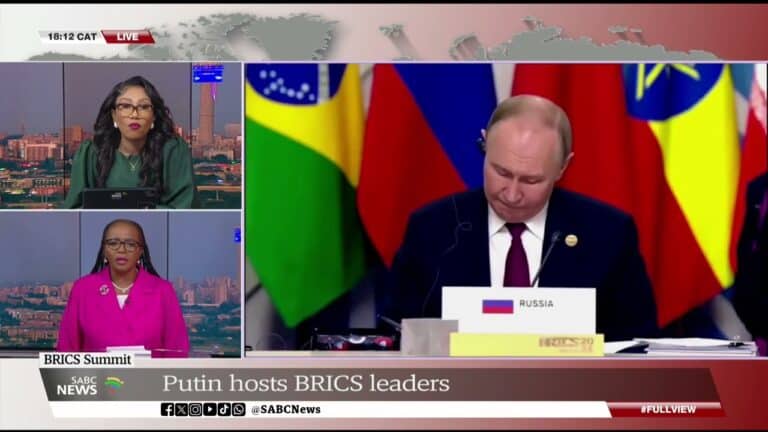 2024 BRICS Summit I Vladimir Putin hosts leaders: Sophie Mokoena updates
 2024 BRICS Summit I Panel discussion on deliberations and relationships within extended BRICS
 Emerging Markets on the Rise: The Economic Power Shift with BRICS in 2024
 A Unified Voice: How BRICS Leaders Propose to Tackle Global Challenges
 Innovation and Sustainability: Focus Areas at the 2024 BRICS Summit