

The strategic importance of Akwa Ibom gas reserves for industrial parks
- Posted by: PSL
- Categories: BRICS News, Financial Management, Human Resources and Talent Management, International Business and Market Entry, Marketing and Sales, News Blog, Operations and Process Improvement, Organizational Development, Risk Management and Compliance, Strategy and Planning, Technology and Digital Transformation
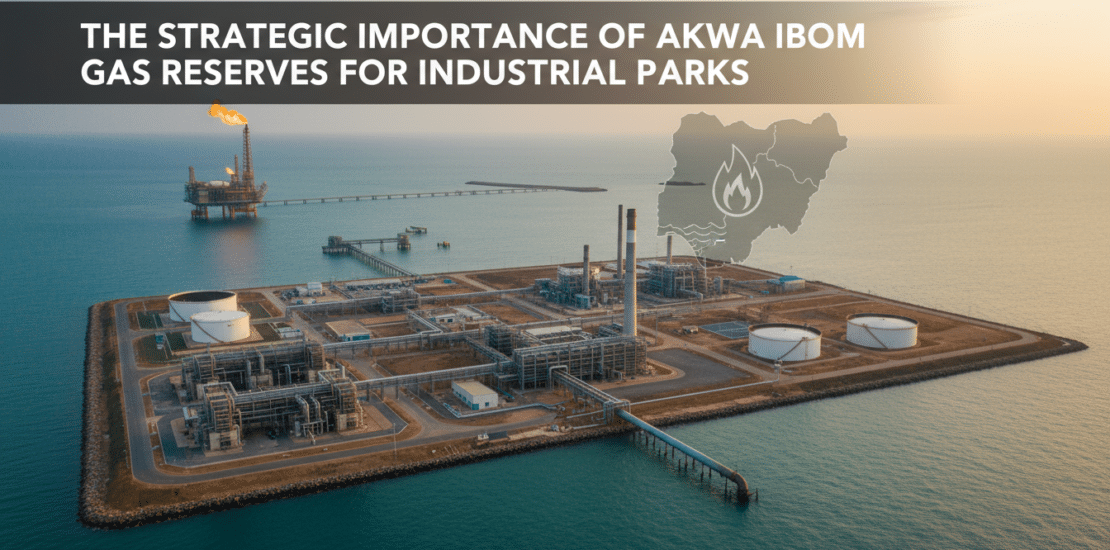
The Strategic Importance of Akwa Ibom Gas Reserves for Industrial Parks
Akwa Ibom State, often hailed as the ‘Land of Promise’ in Nigeria, possesses a strategic asset that holds the potential to transform its economic landscape: its substantial natural gas reserves. These reserves are not merely a source of energy; they are the bedrock upon which a thriving industrial sector, fueled by well-planned and strategically located industrial parks, can be built. The symbiotic relationship between Akwa Ibom’s gas reserves and the development of industrial parks presents a significant opportunity to drive economic diversification, attract investment, create employment, and ultimately, improve the quality of life for its citizens. This article will delve into the strategic importance of Akwa Ibom’s gas reserves for the successful establishment and operation of industrial parks, exploring the various dimensions of this critical link.
The Abundance and Accessibility of Akwa Ibom’s Gas Resources:
Akwa Ibom is a major oil-producing state in Nigeria, and its associated gas reserves are equally significant. While precise figures fluctuate due to ongoing exploration and discoveries, it’s widely acknowledged that the state holds a substantial share of Nigeria’s proven natural gas reserves. This abundance offers several advantages for industrial park development:
-
Security of Supply: A domestic source of gas reduces reliance on volatile global energy markets. Industrial parks located in Akwa Ibom can benefit from a secure and reliable supply of gas, minimizing the risk of disruptions caused by geopolitical events or international price fluctuations. This reliability is crucial for attracting industries that require continuous and consistent energy supply, such as manufacturing, petrochemicals, and power generation.
-
Competitive Pricing: Gas produced locally can be supplied to industrial parks at competitive prices compared to imported energy sources. This price advantage can significantly reduce the operating costs for industries within the parks, making them more attractive to investors and enhancing their competitiveness in the global market. Reduced energy costs translate directly to increased profitability and the ability to reinvest in expansion and innovation.
-
Feedstock for Industries: Natural gas is not just a source of energy; it’s also a vital feedstock for various industries. It can be used in the production of fertilizers, plastics, petrochemicals, and other value-added products. Industrial parks located near gas sources can attract companies involved in these industries, creating a cluster effect that further stimulates economic growth. The availability of locally sourced feedstock reduces transportation costs and ensures a consistent supply, making Akwa Ibom an attractive location for these industries.
- Lower Carbon Footprint: Utilizing natural gas for power generation and industrial processes can be a cleaner alternative to other fossil fuels like coal or heavy fuel oil. While not entirely carbon-neutral, natural gas has a lower carbon footprint, allowing industries in Akwa Ibom to contribute to Nigeria’s efforts to reduce greenhouse gas emissions and promote sustainable development. This is increasingly important as global pressure mounts for businesses to adopt environmentally responsible practices.
The Role of Industrial Parks in Economic Diversification and Growth:
Industrial parks are designated areas planned and developed to accommodate a range of industries. They offer several advantages over dispersed industrial locations:
-
Infrastructure and Services: Industrial parks typically provide essential infrastructure and services, such as roads, electricity, water, telecommunications, waste management, and security. This reduces the burden on individual companies to invest in these costly infrastructure elements, making it easier and more affordable for them to set up and operate. The provision of shared services also creates economies of scale, further reducing operating costs for businesses.
-
Agglomeration Effects: By concentrating a variety of industries in a single location, industrial parks foster collaboration, knowledge sharing, and innovation. Companies can benefit from proximity to suppliers, customers, and complementary businesses, creating a dynamic and synergistic environment. This agglomeration effect can lead to increased productivity, higher quality products, and faster innovation cycles.
-
Attracting Investment: Well-planned and managed industrial parks can attract both domestic and foreign investment. The availability of serviced land, reliable infrastructure, and a supportive regulatory environment can make Akwa Ibom a more attractive destination for investors seeking to establish or expand their businesses. Attracting foreign direct investment (FDI) brings not only capital but also valuable technology, expertise, and market access.
-
Job Creation: The establishment of industrial parks leads to significant job creation, both directly in the industries located within the park and indirectly in supporting industries and services. This can help to reduce unemployment, improve living standards, and boost the local economy. Industrial parks can also provide opportunities for skills development and training, equipping the local workforce with the skills needed to succeed in the modern economy.
- Economic Diversification: By attracting a diverse range of industries, industrial parks can help to reduce Akwa Ibom’s dependence on the oil and gas sector. This diversification is crucial for building a more resilient and sustainable economy that is less vulnerable to fluctuations in global oil prices. A diversified economy also provides more opportunities for entrepreneurship and innovation, fostering a more dynamic and competitive business environment.
Strategic Considerations for Developing Gas-Powered Industrial Parks in Akwa Ibom:
To fully leverage the strategic importance of Akwa Ibom’s gas reserves, the development of industrial parks must be carefully planned and executed. Several strategic considerations are paramount:
-
Location, Location, Location: The selection of suitable locations for industrial parks is crucial. Factors to consider include proximity to gas pipelines, transportation infrastructure (ports, roads, railways), skilled labor pools, and markets. Industrial parks should be strategically located to minimize transportation costs, maximize access to resources and markets, and facilitate the efficient movement of goods and services. Locations near existing industrial clusters or economic zones can also be advantageous.
-
Infrastructure Investment: Adequate investment in infrastructure is essential for the success of industrial parks. This includes ensuring a reliable supply of gas, electricity, water, and telecommunications, as well as providing well-maintained roads, waste management facilities, and security services. Investment in renewable energy sources, such as solar or wind power, can also help to reduce the carbon footprint of the industrial park and enhance its sustainability.
-
Regulatory Framework: A supportive regulatory framework is crucial for attracting investment and facilitating the smooth operation of industrial parks. This includes streamlining permitting processes, providing tax incentives, and ensuring a stable and predictable business environment. The government should also work to reduce bureaucratic hurdles and promote transparency in all dealings with businesses.
-
Public-Private Partnerships (PPPs): PPPs can be an effective way to finance and develop industrial parks. By leveraging the expertise and resources of both the public and private sectors, PPPs can accelerate the development process and ensure that industrial parks are developed in a sustainable and efficient manner. The government can provide the land and policy support, while the private sector can bring in the capital, technology, and management expertise.
-
Skills Development: Investing in skills development is essential for ensuring that the local workforce has the skills needed to succeed in the industries located within the industrial parks. This includes providing vocational training, technical education, and apprenticeship programs. The government should work closely with industry to identify the skills needs of businesses and tailor training programs accordingly.
-
Environmental Sustainability: Environmental sustainability should be a key consideration in the development and operation of industrial parks. This includes implementing measures to minimize pollution, conserve water, and reduce greenhouse gas emissions. Industrial parks should also be designed to be aesthetically pleasing and environmentally friendly, creating a positive impact on the surrounding community.
- Community Engagement: Engaging with local communities is essential for ensuring that industrial parks are developed in a socially responsible manner. This includes consulting with communities on the planning and development of the park, providing opportunities for local businesses to participate in the supply chain, and ensuring that the park creates jobs and other economic benefits for the community.
Specific Industrial Sectors that Could Thrive in Gas-Powered Parks:
Several specific industrial sectors are particularly well-suited for location within gas-powered industrial parks in Akwa Ibom:
-
Petrochemicals: Natural gas is a key feedstock for the petrochemical industry, which produces a wide range of products, including plastics, fertilizers, and synthetic fibers. Locating petrochemical plants near gas sources can significantly reduce transportation costs and ensure a reliable supply of feedstock.
-
Fertilizers: Nigeria has a large and growing agricultural sector, which creates a strong demand for fertilizers. Producing fertilizers locally using natural gas as a feedstock can help to reduce Nigeria’s dependence on imported fertilizers and support the development of the agricultural sector.
-
Power Generation: Natural gas can be used to generate electricity in efficient and relatively clean power plants. Establishing power plants within industrial parks can ensure a reliable supply of electricity for the industries located there, reducing their reliance on the national grid.
-
Manufacturing: A wide range of manufacturing industries, including food processing, textiles, and electronics, can benefit from the availability of affordable and reliable energy. Industrial parks can provide these industries with the infrastructure and services they need to thrive.
-
Cement Production: Cement production is an energy-intensive process, and natural gas can be used to fuel cement plants. Locating cement plants near gas sources can help to reduce production costs and make them more competitive.
- Gas Processing and Liquefaction: Establishing gas processing and liquefaction plants within industrial parks can create opportunities for export and further value addition to Nigeria’s gas resources.
By focusing on these key sectors, Akwa Ibom can attract investment, create jobs, and drive economic growth. The strategic importance of its gas reserves lies not just in their abundance, but in the intelligent and sustainable utilization of this resource to power a new era of industrial development.