The investment case for renewable energy solutions in the Kano industrial zones
- Posted by: PSL
- Categories: BRICS News, Financial Management, Human Resources and Talent Management, International Business and Market Entry, Marketing and Sales, News Blog, Operations and Process Improvement, Organizational Development, Risk Management and Compliance, Strategy and Planning, Technology and Digital Transformation
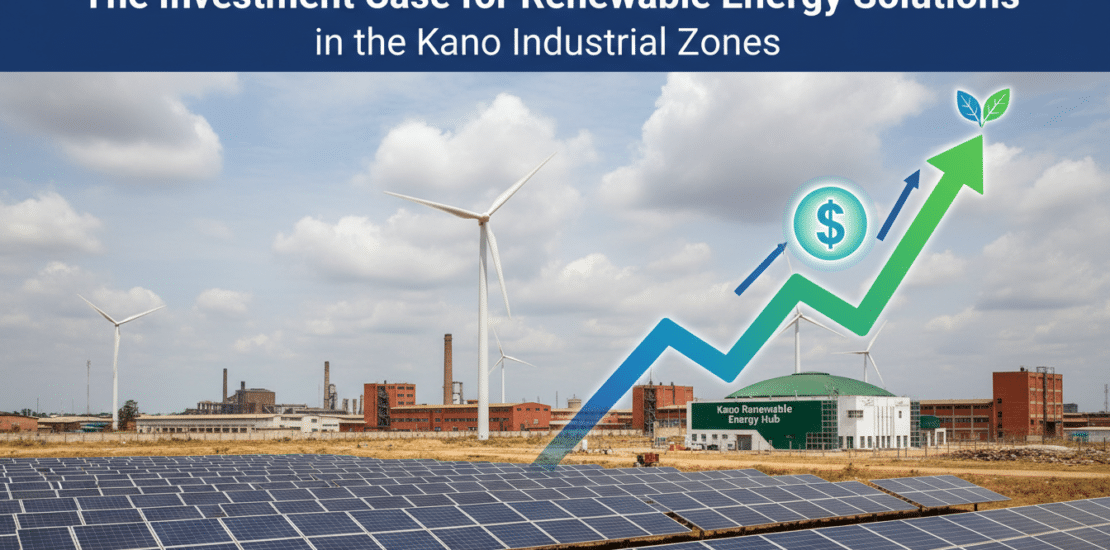
The Investment Case for Renewable Energy Solutions in the Kano Industrial Zones
Kano, a historic hub of commerce and industry in Northern Nigeria, faces a critical juncture. While its industrial zones hold immense potential for contributing to Nigeria’s economic diversification and growth, they are currently hamstrung by unreliable and expensive energy access. This dependence on traditional, often diesel-powered, generators not only inflates operational costs for businesses but also contributes significantly to environmental degradation and hinders sustainable development. Renewable energy solutions, therefore, present a compelling investment case for unlocking the true potential of Kano’s industrial zones, offering a path towards economic prosperity, environmental sustainability, and enhanced social well-being.
The Current Energy Landscape: A Barrier to Progress
Kano’s industrial zones, including Bompai, Sharada, and Challawa, are characterized by a mix of manufacturing, processing, and service industries. These businesses rely heavily on electricity to power their operations, ranging from textile production and food processing to metal fabrication and plastic manufacturing. However, the national grid’s capacity and reliability in Kano are woefully inadequate. Frequent power outages, voltage fluctuations, and the overall unpredictability of electricity supply disrupt production schedules, damage equipment, and ultimately erode profitability.
The consequence is a widespread reliance on self-generation through diesel generators. While providing a backup power source, diesel generators are far from an ideal solution. They are expensive to operate, requiring continuous fuel purchases and regular maintenance. Fluctuations in diesel prices further exacerbate the financial burden on businesses, making it difficult to accurately budget for energy expenses. Moreover, the combustion of diesel fuel releases harmful greenhouse gases and air pollutants, contributing to respiratory problems and other health issues in the densely populated industrial areas. The noise pollution generated by these generators also adds to the environmental burden and impacts the quality of life for workers and surrounding communities.
The unreliability and high cost of energy represent a significant barrier to investment and expansion in Kano’s industrial zones. New businesses are hesitant to establish operations in an environment where energy costs are unpredictable and potentially crippling. Existing businesses struggle to compete with rivals in other regions or countries where energy access is more reliable and affordable. This stifles innovation, limits job creation, and ultimately hinders the overall economic growth of the region.
Renewable Energy Solutions: A Paradigm Shift
Renewable energy technologies, particularly solar photovoltaic (PV) systems, offer a viable and sustainable alternative to the current energy landscape in Kano’s industrial zones. The region boasts abundant solar irradiance, making solar PV a particularly attractive option. Furthermore, advancements in energy storage technologies, such as batteries, are making it possible to provide a more reliable and consistent power supply from renewable sources.
Here’s a breakdown of the potential renewable energy solutions and their benefits:
Solar PV Systems: Solar PV panels can be installed on rooftops, carports, or even on vacant land within the industrial zones. These systems convert sunlight directly into electricity, providing a clean and affordable source of power. Depending on the scale of the system, businesses can either generate all their electricity needs or supplement their grid supply, reducing their reliance on expensive diesel generators.
Cost Savings: Solar PV systems significantly reduce or eliminate the need for diesel fuel, resulting in substantial cost savings over the long term. While the initial investment in solar PV can be higher than that of a diesel generator, the low operational costs and long lifespan of solar PV systems make them a more economically attractive option in the long run. The levelized cost of energy (LCOE) for solar PV is increasingly competitive with diesel generation, especially when considering the environmental and social costs associated with diesel.
Reliable Power Supply: When coupled with battery storage, solar PV systems can provide a reliable and consistent power supply, even during periods of low sunlight or grid outages. Battery storage allows businesses to store excess solar energy generated during the day and use it during peak demand or at night, ensuring a continuous power supply for critical operations.
Environmental Benefits: Solar PV systems produce zero emissions, reducing the environmental impact of industrial operations and improving air quality in the industrial zones. This contributes to a healthier environment for workers and surrounding communities and helps Nigeria meet its commitments to reduce greenhouse gas emissions.
- Enhanced Corporate Social Responsibility (CSR): Investing in renewable energy demonstrates a commitment to environmental sustainability and social responsibility, enhancing a company’s reputation and attracting environmentally conscious customers and investors.
Wind Energy: While Kano may not be as wind-rich as some other regions of Nigeria, there may be localized areas within the industrial zones where small-scale wind turbines could be feasible. Careful wind resource assessment is crucial to determine the viability of wind energy projects.
- Complementary Energy Source: Wind energy can complement solar PV, providing a diversified energy mix and further enhancing the reliability of the power supply. Wind turbines can generate electricity during periods when solar irradiance is low, such as at night or during cloudy days.
Biomass Energy: Some industrial zones generate significant amounts of organic waste, such as agricultural residues or food processing byproducts. This waste can be used to generate electricity through biomass gasification or anaerobic digestion.
Waste-to-Energy Solutions: Biomass energy provides a way to convert waste into a valuable resource, reducing waste disposal costs and generating clean energy. This promotes a circular economy and reduces reliance on fossil fuels.
- Reduced Methane Emissions: Anaerobic digestion of organic waste can capture methane, a potent greenhouse gas, and use it to generate electricity or biogas. This reduces methane emissions and contributes to climate change mitigation.
- Hybrid Systems: Combining different renewable energy sources, such as solar PV, wind, and biomass, can create a more resilient and reliable energy system. Hybrid systems can optimize energy generation based on the available resources and demand patterns, ensuring a consistent power supply for industrial operations.
The Investment Case: A Multifaceted Opportunity
The investment case for renewable energy solutions in Kano’s industrial zones is compelling, offering a range of benefits for investors, businesses, and the community as a whole.
Strong Economic Returns: Renewable energy projects can generate attractive financial returns for investors through power purchase agreements (PPAs) with industrial consumers, government subsidies, and carbon credits. The falling costs of renewable energy technologies and the increasing cost of diesel fuel are making renewable energy projects increasingly competitive and profitable.
Government Support and Incentives: The Nigerian government is committed to promoting renewable energy development through various policies and incentives, including tax breaks, import duty exemptions, and feed-in tariffs. These incentives make renewable energy projects more attractive to investors and help to level the playing field with traditional energy sources. The Rural Electrification Agency (REA) has been instrumental in driving off-grid solar initiatives, providing a framework for private sector participation.
Demand for Reliable and Affordable Power: The strong demand for reliable and affordable power in Kano’s industrial zones provides a ready market for renewable energy projects. Businesses are willing to pay a premium for a guaranteed power supply that can reduce their operational costs and improve their competitiveness.
Job Creation and Skills Development: Renewable energy projects can create numerous jobs in manufacturing, installation, maintenance, and project development. These jobs can help to boost the local economy and provide opportunities for skills development and training. Local content requirements in renewable energy projects can further stimulate the growth of local industries and create more jobs.
Environmental and Social Benefits: Renewable energy projects can improve air quality, reduce greenhouse gas emissions, and promote sustainable development. These benefits contribute to a healthier environment and a better quality of life for workers and surrounding communities.
- Access to Finance: International development finance institutions (DFIs) and private equity firms are increasingly interested in investing in renewable energy projects in Nigeria. These investors are attracted by the strong potential for growth in the renewable energy sector and the positive social and environmental impact of these projects. Initiatives like the Sustainable Energy Fund for Africa (SEFA) provide concessional financing and technical assistance to support renewable energy projects in Africa.
Overcoming Challenges and Promoting Sustainable Development
While the investment case for renewable energy in Kano’s industrial zones is strong, there are also challenges that need to be addressed to ensure the successful implementation of these projects.
Financing: Securing financing for renewable energy projects can be challenging, especially for small and medium-sized enterprises (SMEs). Access to affordable financing, including loans, grants, and equity investments, is crucial for promoting the widespread adoption of renewable energy. Innovative financing mechanisms, such as crowdfunding and peer-to-peer lending, can also help to mobilize capital for renewable energy projects.
Regulatory Framework: A clear and supportive regulatory framework is essential for attracting investment and promoting the sustainable development of the renewable energy sector. The government needs to streamline the permitting process, establish clear guidelines for grid interconnection, and enforce regulations that protect the interests of investors and consumers.
Technical Capacity: A skilled workforce is needed to design, install, and maintain renewable energy systems. Investing in training programs and technical education is crucial for developing the local capacity needed to support the growth of the renewable energy sector. Partnerships between universities, vocational schools, and industry can help to ensure that training programs are relevant to the needs of the market.
Awareness and Education: Raising awareness about the benefits of renewable energy is essential for promoting its adoption. Public awareness campaigns, workshops, and seminars can help to educate businesses and consumers about the advantages of renewable energy and dispel any misconceptions.
- Land Acquisition: Securing land for renewable energy projects can be challenging, especially in densely populated areas. Clear land use policies and streamlined land acquisition procedures are needed to facilitate the development of renewable energy projects.
Addressing these challenges requires a collaborative effort between the government, private sector, and civil society. By working together, these stakeholders can create an enabling environment for renewable energy development and unlock the full potential of Kano’s industrial zones. The path forward involves:
Public-Private Partnerships (PPPs): PPPs can leverage the expertise and resources of both the public and private sectors to develop and operate renewable energy projects. PPPs can also help to share the risks and rewards of these projects, making them more attractive to investors.
Community Engagement: Engaging with local communities is crucial for ensuring the success of renewable energy projects. Projects should be designed to benefit local communities by providing access to clean energy, creating jobs, and improving the environment.
- Technology Transfer: Promoting the transfer of renewable energy technologies to Nigeria can help to build local capacity and reduce reliance on foreign expertise. This can be achieved through partnerships between foreign and local companies, training programs, and joint research and development projects.
By embracing renewable energy solutions, Kano can transform its industrial zones into engines of sustainable economic growth. This will not only improve the competitiveness of local businesses and create jobs but also contribute to a cleaner and healthier environment for all. The investment case is clear: renewable energy is not just an environmental imperative but also a smart economic strategy for Kano’s future.