
Why the Nigerian Livestock Industry is Attracting Global Capital
- Posted by: PSL
- Categories: BRICS News, Financial Management, Human Resources and Talent Management, International Business and Market Entry, Marketing and Sales, News Blog, Operations and Process Improvement, Organizational Development, Risk Management and Compliance, Strategy and Planning, Technology and Digital Transformation
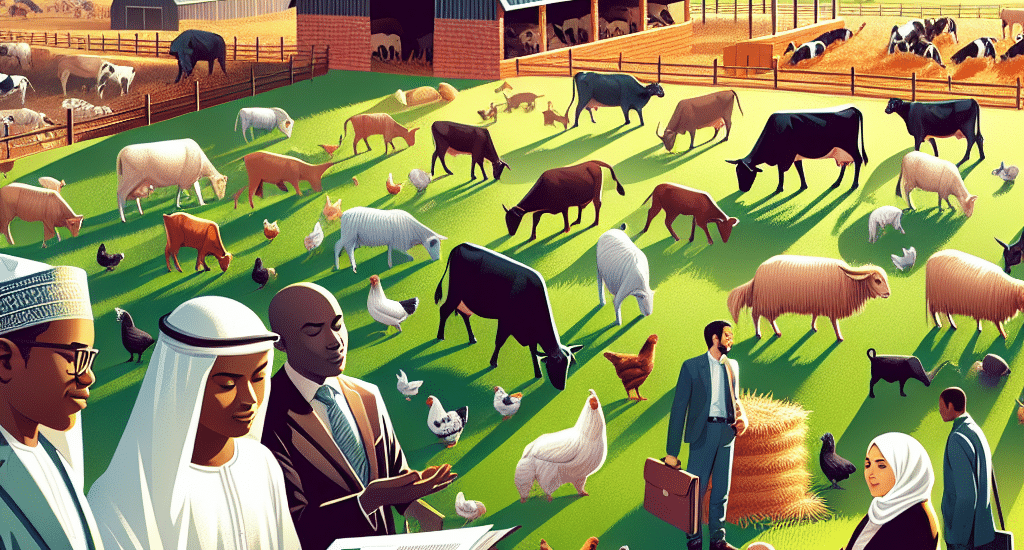
The Nigerian livestock industry has recently attracted significant global capital, with investors looking to tap into the vast opportunities the sector offers. This phenomenon is fueled by various factors including economic potential, demographic trends, government initiatives, and technological advancements. Below, we explore the intricacies that make the Nigerian livestock sector a beacon for global investors.
Economic Landscape
Nigeria stands as the largest economy in Africa, with a GDP that is increasingly diversifying away from oil dependence. While oil has historically been the backbone of the economy, the agricultural sector—including livestock—has begun to gain prominence. Livestock production in Nigeria accounts for a significant portion of the agricultural GDP, estimated to be around 16%. This growing economic relevance is underscored by the increasing domestic and international demand for meat, milk, and other livestock products.
Rising Demand for Protein
As the global population continues to rise, so does the demand for protein-rich foods. In Nigeria, the growing middle class, coupled with urbanization, is shifting dietary preferences towards meat and dairy products. According to the Food and Agriculture Organization (FAO), Africa is expected to have over a billion people by 2050, and Nigeria will be at the forefront of this demographic boom. The implications for livestock consumption are profound—projected increases in urbanization are expected to elevate meat consumption by 40% by 2030. This presents a lucrative opportunity for investors looking to capitalize on a ripe market.
Import Dependency and Opportunities for Local Production
Nigeria currently relies on meat imports to meet its protein needs. The country spends billions annually on importing livestock products, a trend that is unsustainable in the long run. As global investors eye the situation, there are untapped opportunities for local production to fill the void. Increased local production not only facilitates food security but also stabilizes meat prices—critical for both consumers and farmers.
Government Initiatives
The Nigerian government has recognized livestock as a cornerstone for food security and a vehicle for economic growth. Initiatives such as the National Livestock Transformation Plan (NLTP) aim to boost productivity in the sector. These government-backed initiatives create a favorable investment climate for global capital by offering incentives like subsidies, tax breaks, and access to financing.
Policy Framework
Nigeria’s government has periodically introduced agricultural policies aimed at encouraging investment in agribusiness. The Anchor Borrowers’ Programme provides financing for smallholder farmers, enabling them to invest in livestock production. Such programs are attractive to foreign investors who view them as risk-mitigation measures, allowing a smoother entry into the market.
Infrastructure Development
The Nigerian government has also prioritized the development of infrastructure to facilitate livestock farming. Investment in roads, veterinary services, and marketplaces enhances the logistics chain crucial for livestock production. Improved infrastructure eases transportation, lowers operational costs, and increases access to markets—factors that are essential for appreciating returns on investment.
Technological Advancements
Innovation in technology is another driving force behind investments in Nigerian livestock. The advent of AgTech companies and advancements in veterinary science are revolutionizing how livestock farming is conducted. Whether it’s precision farming, blockchain for supply chain transparency, or mobile applications for disease management, technology is providing sophisticated tools for efficiency.
Digital Platforms for Livestock Management
Startups are emerging that provide digital solutions to farmers, helping them manage herds and monitor animal health. These platforms not only improve productivity but also attract both local and foreign venture capital. They demonstrate the potential for high returns in a sector that has historically lagged behind in technological adoption.
Biotech Innovations
In addition to AgTech, biotechnology is being leveraged to enhance livestock breeds, improve disease resistance, and increase productivity. Investments in genetic research can yield significant dividends, offering farmers stronger and more productive animals. The global emphasis on sustainable farming methods also enhances the attractiveness of biotechnology innovations, particularly concerning climate resilience.
Foreign Direct Investment (FDI) Trends
The Nigerian livestock sector has seen increasing amounts of FDI, driven largely by the aforementioned opportunities. Countries like the United States, China, and several Middle Eastern nations are increasingly investing in Nigerian agriculture, including livestock. This influx of foreign capital facilitates technology transfer, best practices, and new market access for local farmers.
Joint Ventures and Partnerships
Foreign investors are not merely entering the Nigerian market alone. Joint ventures between local farmers and international companies are becoming more common, pooling resources and expertise to maximize efficiency and production. These partnerships decrease the perceived risks and share the financial burdens associated with starting or expanding livestock operations.
Export Potential
Nigeria is strategically positioned to serve the African and global meat markets, not to mention its vast land and climate conducive to livestock farming. With foreign capital, the country can develop processing facilities that cater not only to the local market but also to potential exports to neighboring countries. The African Continental Free Trade Area (AfCFTA) also presents new opportunities for market access, making it easier to engage with surrounding nations.
Socio-economic Impact
Investment in the livestock sector doesn’t merely hold economic advantages; it also presents significant social implications. As global capital flows into the industry, it leads to job creation, enhanced livelihoods, and improved food security. These factors are particularly vital in rural areas, where livestock farming is often one of the few sources of income.
Women and Youth Empowerment
The livestock industry can play an integral role in empowering marginalized demographics, particularly women and youth. As investments pour in, programs that support women in livestock management are gaining traction. Training and funding initiatives aimed at women can alter traditional power dynamics, promoting more inclusive economic based growth.
Food Security and Nutrition
In a country where malnutrition remains a critical issue, an enhanced livestock industry can make a significant contribution to food security. Increased local production can lead to decreased food prices, making protein-rich foods more accessible to marginalized communities. This can have cascading effects on health, education, and productivity in the workforce.
Environmental Considerations
With global attention on sustainable practices, the Nigerian livestock industry faces scrutiny regarding its environmental impact. However, the influx of global capital can also foster sustainable practices. Investments in research and technology can promote more efficient farming techniques that minimize the ecological footprint of livestock farming.
Sustainable Farming Practices
Many international investors are increasingly interested in sustainable business models that align with ESG (Environmental, Social, and Governance) criteria. By focusing on sustainable practices, the Nigerian livestock sector can attract green investments that prioritize both profitability and ecological responsibility.
Carbon Neutral Initiatives
As climate change continues to pose a challenge, integrating carbon-neutral initiatives into livestock farming can not only enhance efficiency but also appeal to morally-conscious investors. By adopting practices that reduce greenhouse gas emissions, the sector can position itself favorably on a global scale.
Cultural Significance
The cultural landscape of Nigeria is woven intricately with livestock farming. From traditional rituals to forms of wealth assessment, livestock holds social importance beyond mere economic value. Understanding this cultural significance is crucial for foreign investors looking to engage meaningfully with local communities.
Community Engagement
Investors must also consider the community aspect of livestock farming. Engaging with local communities through programs that educate and involve them can facilitate smoother operations. This not only builds trust but also enhances market entry strategies, ultimately making foreign investments more sustainable.
In summary, the Nigerian livestock industry is poised for substantial growth, attracting global capital for various compelling reasons, including economic opportunities, government support, technological advancements, and socio-economic impacts. Each of these factors creates a unique landscape that promises substantial returns for investors, all while enhancing local economies and communities.