
BRICS Expansion: What It Means for Africa’s Economic Landscape
- Posted by: PSL
- Categories: BRICS News, News Blog

BRICS Expansion: What It Means for Africa’s Economic Landscape
In recent years, the BRICS bloc—comprising Brazil, Russia, India, China, and South Africa—has seen significant global attention, particularly with its announced expansion to include new member states. As the geopolitical dynamics shift and emerging markets gain prominence, BRICS expansion stands to redefine not only its internal dynamics but also the broader economic landscape across Africa. With several African nations eyeing membership, this article explores the implications of BRICS enlargement for the continent.
The Expansion of BRICS
The BRICS bloc has evolved since South Africa joined in 2010, reflecting the changing global order and the rising influence of emerging economies. The announcement of new members—such as Argentina, Egypt, Ethiopia, Iran, Saudi Arabia, and the United Arab Emirates—marked a pivotal moment, emphasizing the bloc’s intent to solidify its position as a counterweight to Western-dominated institutions.
Boosting Trade and Investment
One of the most significant implications of BRICS expansion for Africa is the potential for enhanced trade and investment. By joining a larger and more diverse bloc, African countries stand to benefit from increased access to markets and capital. The focus on intra-BRICS trade can stimulate economic growth, particularly for resource-rich nations that can offer raw materials to burgeoning economies like India and China.
Additionally, BRICS members have been vocal about fostering economic cooperation. Initiatives that promote trade facilitation and investment in infrastructure—such as the New Development Bank (NDB)—are likely to see increased funding sources to aid development projects across the continent. This influx of investment could help bridge the financing gap in Africa, where infrastructural deficits continue to hinder comprehensive economic development.
Shaping Geopolitical Alliances
As BRICS expands, the geopolitical landscape in Africa will also be reshaped. Traditionally, African nations have dealt with Western nations and institutions like the IMF and World Bank. However, with an increased alignment toward BRICS, there is the potential for a more diversified foreign policy approach that favors South-South Cooperation. Countries may find themselves increasingly relying on BRICS partners for political support, trade relations, and economic alliances.
Moreover, the expansion of BRICS may lead to a shift in how African nations engage with traditional powers. It could open up new avenues for negotiating favorable terms on trade agreements, technology transfer, and financing options away from Western conditionalities.
Access to Technology and Resources
The future of BRICS is also closely tied to technology and innovation. For African nations, joining this economic bloc presents the opportunity to access advanced technology and know-how, particularly in sectors such as agriculture, digital economy, and renewable energy. The sharing of technology could catalyze agricultural transformation, boost productivity, and enhance local manufacturing capabilities.
In addition to technology transfer, resource-sharing agreements among BRICS members and prospective African countries can lead to enhanced energy cooperation—particularly critical for countries facing energy shortages.
Promoting Sustainable Development
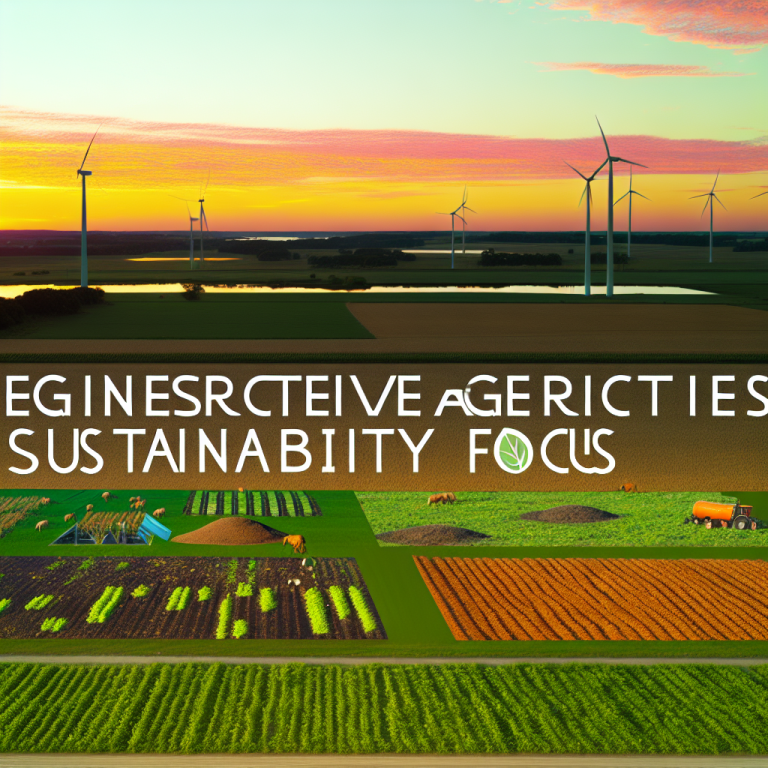
Sustainability is a key tenet of global development, and BRICS expansion could align with Africa’s sustainable development goals. The inclusion of countries committed to green technologies and sustainable practices can encourage the adoption and adaptation of environmentally friendly initiatives across the continent.
Collaborative efforts might catalyze progress in renewable energy projects, contributing to energy security and addressing climate change – a pressing concern for many African nations. Furthermore, the collective bargaining power of an expanded BRICS can encourage a more sustainable global framework, aiding resource-rich African countries to negotiate better terms for the use of their natural wealth.
Challenges Ahead
Despite the opportunities presented by BRICS expansion, challenges remain. For instance, African nations must navigate the intricacies of aligning their national interests within a broader bloc that boasts diverse political and economic agendas. Furthermore, disparities in economic development levels, governance standards, and the potential for debt dependencies may pose risks.
Moreover, the historical relationship between some BRICS countries and Western nations could create tensions that may affect regional stability and security if not effectively managed.
Conclusion
The expansion of BRICS heralds a new era for Africa’s economic landscape, one characterized by potential growth, diversification of partnerships, and a renewed focus on sustainable development. By strategically engaging with other BRICS nations, African countries can harness new financial and technological resources that enable them to forge a path towards inclusive and resilient economic growth. Nevertheless, proactive measures must be taken to mitigate the challenges posed by such transformations, ensuring that the benefits of BRICS expansion are equitably shared across African societies. As the world watches this dynamic evolution, the future of Africa hangs delicately in the balance, teetering between opportunity and caution.