
Ethical Marketing Compliance Pharmaceutical Industry
- Posted by: PSL
- Categories: BRICS News, Financial Management, International Business and Market Entry, News Blog
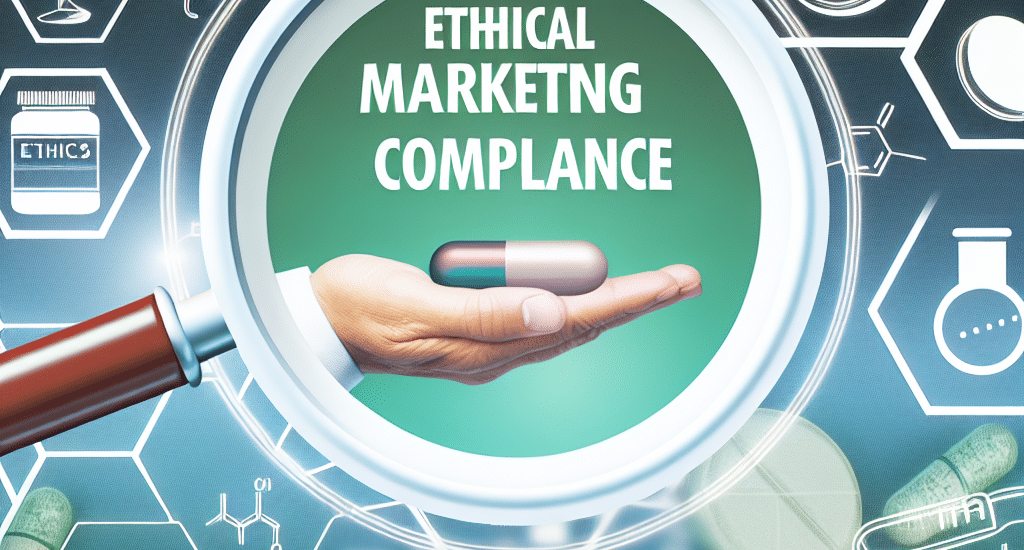
Ethical Marketing Compliance in the Pharmaceutical Industry
The pharmaceutical industry plays a crucial role in global healthcare, providing medications that improve health and save lives. However, the marketing of these products poses unique ethical challenges and regulatory requirements that must be navigated carefully. Ethical marketing compliance is essential for maintaining public trust, ensuring patient safety, and fostering a fair competitive environment. This article explores the various dimensions of ethical marketing compliance in the pharmaceutical sector, including its regulatory framework, ethical considerations, and best practices for adherence.
Regulatory Framework Governing Pharmaceutical Marketing
The marketing of pharmaceutical products is predominantly regulated by laws and guidelines established by governmental agencies and industry associations. In the United States, the Food and Drug Administration (FDA) regulates pharmaceutical advertising under the Federal Food, Drug, and Cosmetic Act. Similar regulatory bodies exist worldwide, including the European Medicines Agency (EMA) in Europe and the Therapeutic Goods Administration (TGA) in Australia.
1. Advertising and Promotion Guidelines
The FDA has established strict guidelines for advertising and promotion. Pharmaceutical products must be marketed in a way that ensures truthful representation. This includes:
- Balanced Information: Advertisements must provide a balanced view of risk and benefit. For example, promotional materials should mention potential side effects alongside the benefits of a drug.
- No Misleading Claims: Claims about the efficacy of a drug must be supported by robust clinical evidence. Misleading information can lead to regulatory action or legal repercussions.
- Direct-to-Consumer Advertising: Direct-to-consumer (DTC) advertising, while legal in the U.S., must adhere to specific guidelines. The FDA requires that DTC advertisements disclose important information about the drug and include the product’s indications, contraindications, and a summary of risks.
2. Code of Conduct and Industry Standards
In addition to regulatory oversight, pharmaceutical companies often adhere to self-imposed standards of ethical conduct. For instance, the Pharmaceutical Research and Manufacturers of America (PhRMA) and the European Federation of Pharmaceutical Industries and Associations (EFPIA) have established codes of practice that govern the interactions between pharmaceutical companies and healthcare professionals.
These industry-specific codes usually focus on:
- Transparency: Disclosure of financial relationships between pharmaceutical companies and healthcare providers.
- Gift Restrictions: Limiting the distribution of gifts to healthcare professionals to avoid conflicts of interest.
- Continuing Medical Education (CME): Ensuring that educational programs funded by pharmaceutical companies are unbiased and scientifically valid.
Ethical Considerations in Pharmaceutical Marketing
The ethical landscape of pharmaceutical marketing is complex and multifaceted. Companies must navigate a wide array of ethical dilemmas that can arise throughout the marketing process.
1. Informed Consent and Patient Autonomy
Healthcare professionals and patients should have the information necessary to make informed decisions regarding treatments. Ethical marketing practices involve ensuring that promotional materials respect patient autonomy and informed consent. Misleading information that could lead to inappropriate prescribing undermines both ethical principles and patient well-being.
2. Vulnerability of Target Audiences
Certain populations, such as children, the elderly, and those suffering from severe health conditions, may be particularly vulnerable to aggressive marketing tactics. Ethically, marketers should avoid exploiting the vulnerabilities of these groups. Campaigns should be designed to inform and educate rather than manipulate.
3. Promotions Linked to Prescribing Practices
Pharmaceutical companies often engage in promotional practices aimed at healthcare providers, including sponsored conferences, freebies, and other incentives. There is an ethical concern regarding how these practices may unduly influence prescribing behaviors. Transparency about these relationships is crucial for maintaining trust in the healthcare system.
4. Digital Marketing Practices
The rise of digital marketing has introduced new ethical challenges. Social media and online advertisements have made it easier to reach vast audiences. However, the unregulated nature of digital platforms can lead to misinformation and breaches of compliance. Ethical marketers must ensure that their digital communications are accurate, verifiable, and transparent.
Strategies for Ethical Marketing Compliance
To achieve effective compliance with ethical marketing standards, pharmaceutical companies can implement several strategies:
1. Comprehensive Training Programs
Companies should establish comprehensive training programs for employees involved in marketing. These programs should cover regulatory requirements, company policies, and ethical considerations. Ongoing training ensures that employees are updated on the latest guidelines and industry standards.
2. Ethical Review Boards
Creating an internal ethical review board can help oversee promotional materials before they are released. This board could consist of representatives from various departments, including legal, medical, and marketing, and ensures that materials align with ethical standards and regulatory requirements.
3. Monitoring and Reporting Mechanisms
Implementing robust monitoring systems helps companies track compliance with ethical marketing practices. This includes monitoring advertising campaigns, conducting regular audits, and setting up reporting mechanisms for unethical practices. Whistleblower protections can encourage employees to report unethical behavior without fear of retribution.
4. Stakeholder Engagement
Engaging stakeholders, including healthcare professionals and patient advocacy groups, can provide valuable insights into ethical marketing practices. Companies can benefit from feedback on their communications and promotional activities, ensuring they meet the needs and expectations of their target audiences.
5. Transparency in Communications
Promoting transparency is vital for ethical compliance. Companies should disclose any financial relationships with healthcare providers and ensure that promotional materials are clearly labeled as such. This transparency cultivates trust between the pharmaceutical industry, healthcare professionals, and patients.
Case Studies Highlighting Ethical Marketing Challenges
Throughout the pharmaceutical industry, numerous cases highlight the ethical challenges associated with marketing compliance.
1. Purdue Pharma and OxyContin
The case of Purdue Pharma is a stark reminder of the potential consequences of unethical marketing practices. Purdue aggressively marketed OxyContin as a safe pain management option, despite its addictive properties. The deceptive marketing tactics employed by Purdue led to widespread addiction and contributed to the opioid crisis in the United States. The fallout from this case has prompted regulatory changes and increased scrutiny on pharmaceutical marketing practices.
2. Pfizer’s Viagrа Advertising
Pfizer’s marketing of Viagra serves as another example illustrating the challenges of ethical marketing. While Viagra’s DTC advertisements were effective in generating awareness and sales, they faced criticism for potentially encouraging inappropriate use. The implications raised ethical debates around how conditions like erectile dysfunction were portrayed and the balance between awareness and stigmatization.
Future of Ethical Marketing Compliance
The future of ethical marketing compliance in the pharmaceutical industry will continue to evolve amid advances in technology and changing societal expectations. Emerging trends and challenges, such as artificial intelligence in marketing, data privacy concerns, and global variations in compliance requirements, will shape the landscape.
As digital channels grow in prominence, regulators will likely tighten restrictions on online marketing practices to safeguard public health. Companies that prioritize ethical marketing compliance will not only navigate regulatory challenges effectively but also foster trust and loyalty among healthcare providers and patients.
By embracing ethical marketing practices and ensuring compliance with regulatory standards, pharmaceutical companies can contribute to the betterment of public health while maintaining their integrity and reputation.