

Navigating the Multipolar World from an African Perspective
- Posted by: PSL
- Categories: BRICS News, Financial Management, Human Resources and Talent Management, International Business and Market Entry, Marketing and Sales, News Blog, Operations and Process Improvement, Organizational Development, Risk Management and Compliance, Strategy and Planning, Technology and Digital Transformation
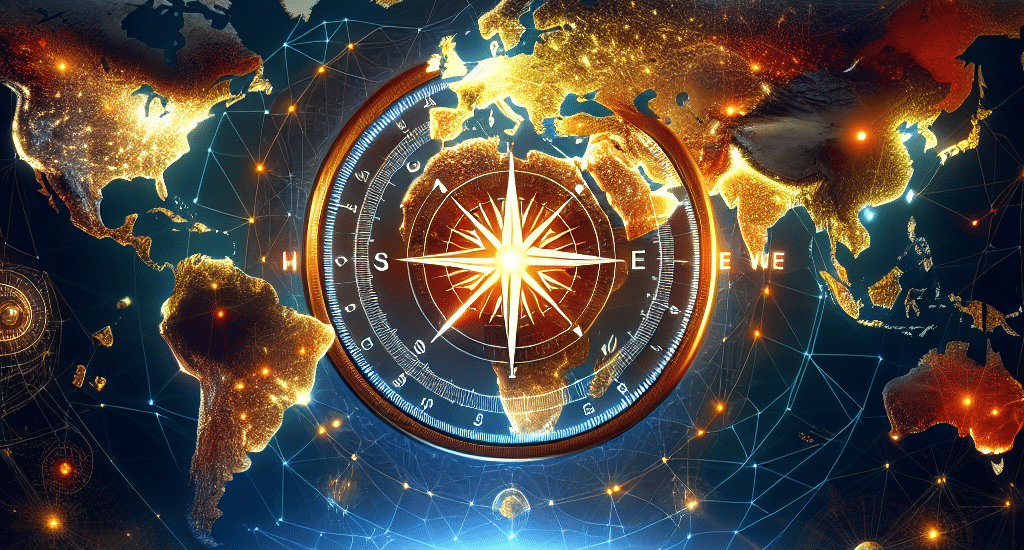
In the 21st century, the world has transitioned from a unipolar structure dominated by the United States to an increasingly multipolar system. This shifting landscape presents both opportunities and challenges for various regions, particularly Africa. Understanding how to navigate these complexities is essential for African nations in pursuit of growth, stability, and international relevance.
The Concept of Multipolarity
Multipolarity refers to a global order characterized by multiple influential states and non-state actors, each wielding varying degrees of power and influence. In contrast to the post-Cold War era—when the United States held unparalleled sway—today’s geopolitical environment is marked by emerging powers like China, India, Brazil, and regional entities such as the European Union and the African Union. This change has significant implications for how African countries engage with the global arena.
Historical Context
To appreciate the current dynamics, it is essential to consider Africa’s historical context. Decolonization in the mid-20th century left many African states grappling with political instability, economic challenges, and social fragmentation. The legacy of colonialism shaped the region’s external relations, often leading to dependency on Western powers. The Cold War exacerbated these issues as African countries were dragged into superpower rivalries, making it difficult for them to chart an independent foreign policy.
The collapse of the Soviet Union in 1991 marked the beginning of a new phase in international relations. African nations initially aligned themselves with the West for aid and investment but soon found that this relationship came with strings attached, often limiting their sovereignty and stifling their development aspirations.
Shifting Geopolitical Landscape
The rise of China as a global powerhouse serves as a prime example of shifting geopolitical dynamics. China’s rapid economic growth has resulted in significant investments across Africa, particularly through initiatives like the Belt and Road Initiative (BRI). This has created new avenues for development, allowing countries to build infrastructure and stimulate economic growth. However, it raises concerns about debt dependency and the potential for neocolonial practices.
Moreover, India’s increasing engagement with Africa through trade, diplomacy, and technology transfer highlights the continent’s rising importance on the global stage. African countries are becoming more proactive in diversifying their international partnerships to avoid over-reliance on any single power, which may offer significant leverage in negotiations.
Economic Opportunities
The multipolar world offers African nations unprecedented opportunities for economic diversification. By developing relationships with non-traditional partners, African countries can access technologies, markets, and investment streams that were previously limited to Western states. For instance, partnerships with China and India are opening new channels for agricultural modernization and industrialization.
Moreover, the expansion of African Regional Economic Communities (RECs) is fostering intra-African trade and investment, making the continent less dependent on external actors. Initiatives like the African Continental Free Trade Area (AfCFTA) aim to create a single market for goods and services, thereby enhancing economic resilience and stability.
Challenges and Risks
However, navigating this multipolar landscape is fraught with challenges. One of the critical risks Africa faces is the potential for increased geopolitical competition among global powers. For example, the U.S. and China have increasingly viewed Africa as a key arena for asserting their influence, which could lead to tensions and conflicts that ripple through the continent.
Additionally, the increasing presence of foreign powers often leads to the extraction of natural resources, sometimes at the expense of local communities. The "resource curse" remains a significant concern, with governments often prioritizing short-term gains over sustainable development. Transparent governance and regulation are needed to ensure that investment leads to broadly shared benefits, rather than reinforcing existing inequalities.
The Role of International Organizations
International organizations like the African Union (AU) and regional bodies play a vital role in helping African countries navigate the complexities of a multipolar world. These organizations can offer platforms for collective bargaining, enabling member states to present a united front in dealing with external powers.
For instance, the AU’s Agenda 2063 envisions a prosperous Africa driven by inclusive growth and sustainable development. By working collaboratively, African nations can share best practices, technology, and knowledge, thereby amplifying their negotiating power on the global stage.
Furthermore, African nations can leverage their participation in multilateral forums such as the United Nations and the World Trade Organization (WTO) to advocate for fairer global trade rules and practices. Ensuring that Africa has a seat at the table in international decision-making processes is crucial for achieving equitable outcomes.
Cultural Diplomacy and Soft Power
The rise of multipolarity provides an opportunity for African countries to harness their cultural assets and promote their soft power. In a world increasingly eager for diversity and alternate narratives, Africa’s rich cultural heritage, art, music, and history can serve as valuable tools for fostering deeper international relationships.
Investing in initiatives that promote African culture can help elevate the continent’s status on the world stage. For example, collaborative projects in arts, education, and sports can enhance people-to-people connections, building mutual understanding and respect. Additionally, leveraging platforms like the African Cultural Heritage Diaspora can connect African nations with global audiences, amplifying their voices and perspectives.
Technology and Innovation
The digital revolution serves as a double-edged sword, offering unparalleled opportunities for growth while also posing risks. African nations can leverage technology to drive economic development, harnessing innovations in sectors like fintech, e-commerce, and agriculture. By investing in digital infrastructure, education, and skills development, African countries can position themselves as important players in the global knowledge economy.
However, disparities in access to technology could exacerbate existing inequalities within and between countries. Policymakers must prioritize digital inclusion to ensure that all citizens benefit from the technological advancements that characterize the modern global economy.
Geopolitical Alliances
While pursuing opportunities in a multipolar world, Africa’s nations must also be strategic in forming geopolitical alliances. Rather than viewing relationships through a binary lens—friends or foes—African leaders should cultivate diverse partnerships based on mutual interests.
For instance, collaboration between African nations can create synergies in areas such as trade, security, and development. Similarly, partnerships with emerging economies can provide alternative models for growth that are less reliant on traditional Western paradigms. By crafting a more nuanced approach to international relations, Africa can maximize its bargaining power and enhance its sovereignty.
Climate Change and Environmental Sustainability
The impact of climate change represents both a challenge and an opportunity for African countries in a multipolar world. As one of the continents most vulnerable to climate effects, Africa has a vested interest in advocating for global climate solutions. The multipolar landscape allows for new alliances—a coalition of like-minded countries can push for more ambitious climate action and shared resources for sustainability initiatives.
Investment in renewable energy technologies also presents economic opportunities. By leading in green technology, African nations can both mitigate climate risks and position themselves as leaders in the emerging global green economy.
Youth Engagement and Empowerment
Africa’s youth play a critical role in shaping the continent’s future. With over 60% of the African population under the age of 25, empowering young voices in the multipolar political landscape is essential. This demographic dividend presents opportunities for innovation, creativity, and leadership in various sectors.
Engaging youth in political processes, economic activities, and civic life fosters a new generation of leaders equipped to navigate the complexities of a multipolar world. Initiatives aimed at entrepreneurship and skills development can spur job creation and reduce the challenges associated with unemployment.
Reassessing Foreign Aid
As Africa navigates the multipolar landscape, there is the pressing need to reassess the traditional model of foreign aid. Many African nations are beginning to question the effectiveness of aid dependency and are looking for ways to promote self-reliance and economic sustainability.
This shift from aid to a more equitable partnership approach favors investments, trade, and technology transfer. By prioritizing trade agreements and diplomatic relationships based on mutual interests, African leaders can redefine their relationships with global powers, ensuring they contribute to the continent’s long-term development goals.
Conclusion
Navigating the complexities of a multipolar world requires African nations to adopt proactive strategies that emphasize collaboration, innovation, and empowerment. By leveraging their unique positioning, cultural richness, and human capital, African countries can assert themselves effectively in an increasingly competitive global arena. The road ahead will undoubtedly present challenges, but the opportunities for growth and development are vast, laying the foundation for a more resilient and influential Africa on the global stage.
Related Posts
 The rising demand for world class data centers in the Nigerian capital
 Why Lagos remains the undisputed champion of African fintech investment
 Navigating the Investment Incentives Offered by the Oborevwori Administration
 Investing in the Abia State palm oil value chain for the West African market
 Building World-Class Healthcare Facilities Through Delta State PPPs
 How the Lekki Free Trade Zone is redefining manufacturing in West Africa
 How Nigeria is positioning itself as the data center capital of West Africa
 How the African Continental Free Trade Area boosts Nigerian export potential